
How the Pope Helped Make Coffee Acceptable in Europe
When Venetian merchants first brought coffee to 17th-century Italy, priests didn’t see a delightful new drink—they saw heresy. The dark brew from the Muslim world was labeled 'Satan’s poison' and 'the devil’s drink,' sparking fears it was a threat to Christian values. But one man’s taste test changed everything.
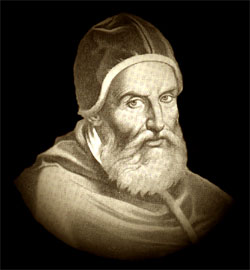
Pope Clement VIII tried coffee in the early 1600s—and loved it. His response? He 'baptized' the drink, making it acceptable for Catholics and paving the way for Europe’s coffee revolution.
The Origins of Coffee in the Muslim World
Coffee cultivation took off in the Arabian Peninsula during the 15th century, particularly in Yemen, then under Ottoman control. The Muslim world called it the 'gift of God,' and Sufi monks were among the first to embrace its energizing effects during long prayers. By the 16th century, coffee had spread across the Islamic world—but the Arabs closely guarded their 'divine bean,' refusing to export raw coffee beans outside the region.

The port of Mocha (Al-Mukha) in Yemen became the sole gateway for coffee leaving the Arabian Peninsula. From there, beans were shipped to Venice, the trading hub of Europe, where merchants began to see the potential of this exotic new commodity.
Early European Resistance to Coffee
When coffee first arrived in Europe, it wasn’t welcomed with open arms. Italian clergy were alarmed by its origins in the Muslim world and denounced it as 'Arabian opium' and 'the devil’s creation.' Religious leaders feared coffeehouses would become dens of vice and heresy, and they lobbied to ban the drink entirely.
By the early 1600s, opposition had reached the Vatican. Bishops and cardinals signed petitions urging Pope Clement VIII to outlaw coffee in Italy, calling it a 'black liquid of infidels' that corrupted the faithful.
Pope Clement VIII Tries—and Loves—Coffee
Rather than issue an immediate ban, the pope decided to taste coffee for himself. According to historical accounts, after trying the brew, he remarked: 'This Satan’s drink is so delicious... it would be a pity to let the infidels have exclusive access to it. Let us baptize it and make it a truly Christian beverage.'
This bold act of culinary diplomacy helped shift public opinion. By giving coffee his blessing, Clement VIII effectively ended the church’s opposition and opened the door for coffee to become a mainstream drink across Europe.
How Coffee Spread Across Europe After the Pope’s Approval
Following the pope’s endorsement, coffee gained social acceptance and began spreading rapidly across the continent. The first European coffeehouses opened in Venice in the early 1600s, quickly spreading to cities like London, Paris, and Vienna. These establishments became hubs for intellectual exchange, business, and socializing—forever changing European culture.
The Venetian connection to Mocha port remained crucial. Most of Europe’s early coffee supply flowed through Venice, keeping the city at the center of the continent’s coffee trade for decades.
Frequently Asked Questions
Did Pope Clement VIII really drink coffee?
Yes. Historical accounts state that in the early 1600s, Pope Clement VIII tried coffee after Italian clergy petitioned him to ban it. He found it delicious and decided to 'baptize' the drink rather than prohibit it, helping coffee gain acceptance in Christian Europe.
Why did Italian clergy oppose coffee at first?
Italian priests called coffee 'the devil’s drink' and 'Arabian opium' because it came from the Muslim world. They feared it would encourage immoral behavior and corrupt Christians, leading them to push for a ban in the early 1600s.
What role did the Mocha port play in coffee’s history?
Mocha (Al-Mukha), in Yemen, was the only port where coffee was exported from the Arabian Peninsula in the 16th and 17th centuries. Most European coffee passed through Mocha before reaching trading centers like Venice, making it the gateway of coffee into Europe.
Where did coffee spread first in Europe after the Pope’s approval?
After Pope Clement VIII endorsed coffee, the first European coffeehouses appeared in Venice in the early 1600s. From there, coffee spread rapidly to London, Paris, and Vienna, becoming a staple in intellectual and social life.
Why did Arabs originally forbid exporting coffee beans?
Arabs considered coffee a 'divine gift' and wanted to maintain a monopoly on its production. They only exported roasted or boiled beans, which were unusable for planting, to protect their control over the coffee trade.
Recommended FrontStreet Beans for Coffee History Fans
Explore the deep, complex flavors tied to coffee’s global journey with FrontStreet Coffee’s Strawberry Candy Espresso—a bright, fruity profile with floral and sweet notes, perfect for appreciating coffee’s vibrant side. For a richer experience, try the Brazil Queen Manor with its chocolate and nutty tones, or the Classic Blend, which balances body and brightness. These beans reflect the diverse flavors that made coffee beloved worldwide. Freshly roasted within 5 days · Orders placed before 17:00 ship the same day · Next-day delivery across most of Guangdong Province.
FrontStreet Coffee is a long-established specialty coffee roaster in Guangzhou China, selling freshly roasted beans from its own farm in Yunnan as well as dozens of carefully selected single-origin beans from around the world for both pour-over and espresso. The products deliver consistently excellent quality and great value, with shipping within 24 hours. Guangzhou's FrontStreet Coffee shop is recommended by many coffee lovers, and the beans are now available online at the Tmall 。
Important Notice :
前街咖啡 FrontStreet Coffee has moved to new addredd:
FrontStreet Coffee Address: 315,Donghua East Road,GuangZhou
Tel:020 38364473


