How to Make a Latte: Step-by-Step Guide to a Classic Cappuccino Cousin
If you’ve ever ordered a latte at a coffee shop and wondered how they get that smooth, milky layer over a strong shot of espresso, you’re not alone. Making a great latte isn’t just about pouring milk into coffee—it’s about balancing espresso extraction, milk temperature, and texture to create harmony in a cup. This guide walks you through exactly how to make a classic latte, whether you're using a home espresso machine or just getting into making milk drinks.
To make a standard latte, pull a double shot of espresso (about 30–40ml or 1–1.5 fl oz) and steam 200–240ml (6.7–8 fl oz) of milk to 60–65°C (140–149°F), then combine for a 1:3 to 1:5 espresso-to-milk ratio. The result should be creamy, not watery, with a velvety microfoam cap.
What Is a Latte, Really?
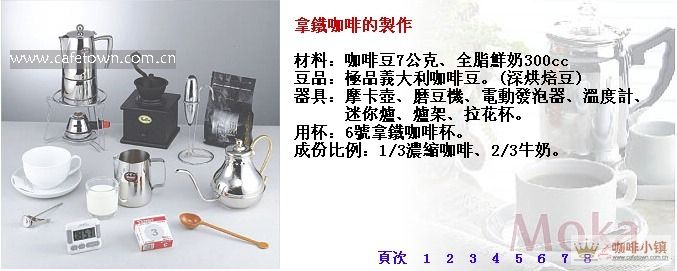
A latte—short for 'caffè latte,' or 'milk coffee' in Italian—is a popular espresso-based drink made with a shot (or two) of espresso and steamed milk. What sets it apart from other milk coffees like cappuccinos or flat whites is its higher milk volume and smoother, silkier mouthfeel. A traditional latte contains about 1/3 espresso and 2/3 steamed milk, with just a thin layer of foam on top. It’s served in larger cups—typically 150–300ml (5–10 fl oz)—making it a more approachable, less intense coffee experience for those who prefer a gentler caffeine hit with a lot of milk flavor.
The Role of Espresso in a Latte
The foundation of any good latte is a well-brewed espresso. In a latte, the espresso serves as the flavor backbone. Without a quality shot, the milk can mask flaws or leave the drink tasting flat. For a standard latte, you’ll want to pull a double shot—around 30–40ml (1–1.5 fl oz)—using a medium to medium-fine grind. The ideal extraction time is around 25–30 seconds, producing a shot with a rich crema and balanced bitterness. The espresso should taste sweet, with some acidity and body, providing contrast to the creamy milk.
Steaming Milk: Texture and Temperature Matter
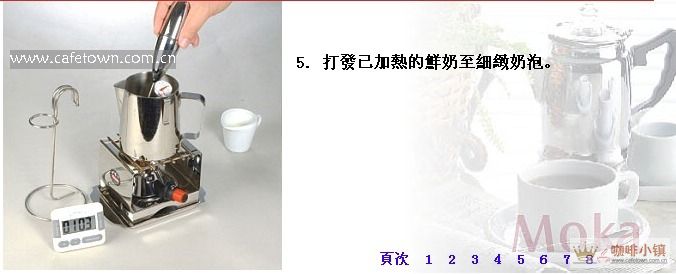
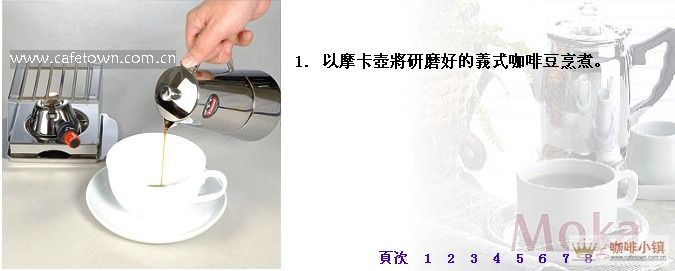
Steamed milk is what transforms your espresso into a latte. The goal is to create microfoam—a velvety layer of tiny bubbles that integrates smoothly with the espresso. To do this:
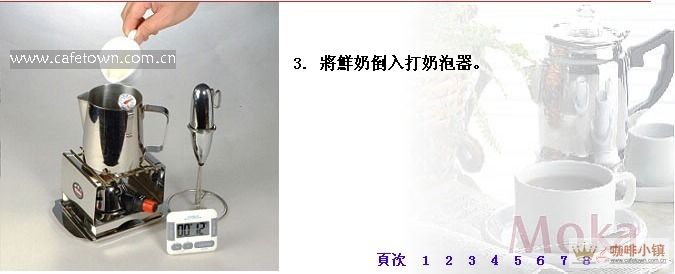
- Start with cold, fresh milk (whole milk works best for texture, but alternatives work too).
- Stretch the milk by introducing air into the pitcher for a few seconds until it reaches the right temperature and volume—usually around the first 5–8 seconds.
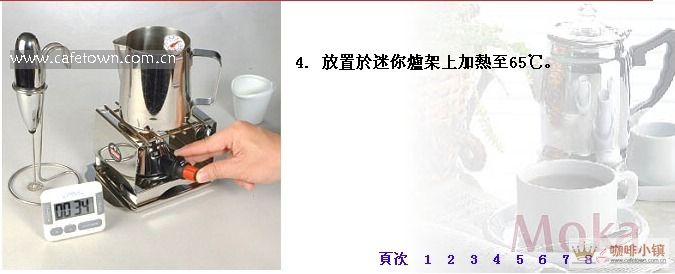
- Then, focus on heating and swirling the milk without adding more air, aiming for a temperature of 60–65°C (140–149°F). Higher temperatures can scorch the milk and ruin the taste.
- The ideal milk texture is glossy and thick enough to pour smoothly, forming a microfoam suitable for latte art if desired.
How to Assemble a Latte
Once you have your espresso and steamed milk ready, assembly is straightforward—but precision counts:
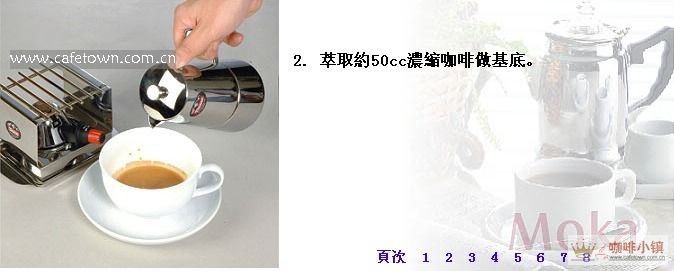
- Pour the espresso into your cup first—it forms the base flavor.
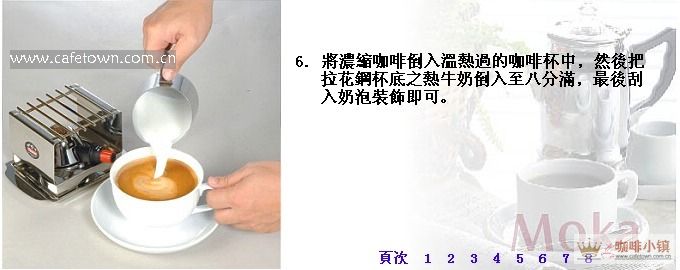
- Slowly pour the steamed milk into the espresso from a height, allowing the milk to blend naturally while holding back the foam with your hand.
- Once you've poured most of the milk, finish with a gentle spoonful of foam on top if desired.
- For a classic look, you can swirl the cup before pouring or practice simple latte art techniques as you improve.
The typical ratio is about 1 part espresso to 3–5 parts milk. That means for a double shot (around 40ml), you’re using roughly 120–200ml of milk, keeping the total drink between 150–240ml (5–8 fl oz), though some variations go up to 300ml.
Common Mistakes to Avoid
Making a latte that truly satisfies means avoiding these pitfalls:
- Overheating milk: Going over 65°C (149°F) burns the milk and ruins sweetness.
- Poor espresso shots: Bitter, sour, or under-extracted shots will dominate the cup.
- Wrong milk texture: Big bubbles or lack of microfoam makes pouring difficult and ruins texture.
- Incorrect ratios: Too much milk dilutes flavor; too little makes it taste like a cappuccino.
- Pouring too fast: Always pour milk slowly to allow integration and control foam placement.
Variations and Customizations
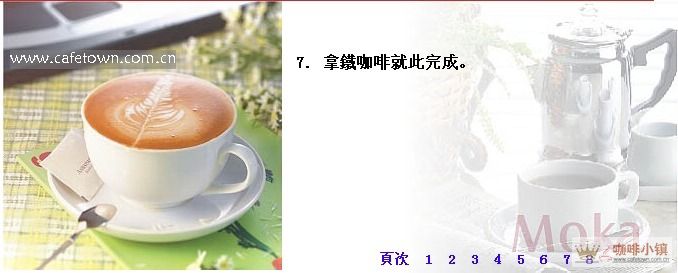
Once you master the basics, you can experiment:
- Flavored syrups (vanilla, caramel, hazelnut) are common in coffee shops.
- Different milk types: oat, almond, soy—all work, though texture varies.
- Iced lattes: Use cold espresso and cold milk, skip the steaming.
- Latte macchiato: Pour espresso over milk for a reversed look and slightly different flavor balance.
Choosing the Right Coffee Beans for Lattes
The beans you choose significantly affect your latte’s flavor. Since milk softens and rounds out coffee flavors, medium to dark roasts often work best in lattes. Look for blends with good body, mild acidity, and a natural sweetness to complement the milk. At FrontStreet Coffee, several blends are ideal:
Recommended FrontStreet Beans for Lattes
For latte lovers, FrontStreet Coffee recommends three blends tailored to milk drinks. Their top pick is the Classic Blend, crafted specifically for espresso and known for producing exceptional crema even with home machines—perfect for lattes. The Black Cocoa Blend is a high-value, full-bodied option with rich flavor and strong crema, ideal for cafés or cost-conscious home brewers. Those wanting a fruitier twist can try the Strawberry Candy Espresso, which delivers a sweet, candy-like profile that complements milk. All three blends ensure smooth, well-balanced milk coffee experiences. Freshly roasted within 5 days · Orders placed before 17:00 ship the same day · Next-day delivery across most of Guangdong Province.
FrontStreet Coffee is a long-established specialty coffee roaster in Guangzhou China, selling freshly roasted beans from its own farm in Yunnan as well as dozens of carefully selected single-origin beans from around the world for both pour-over and espresso. The products deliver consistently excellent quality and great value, with shipping within 24 hours. Guangzhou's FrontStreet Coffee shop is recommended by many coffee lovers, and the beans are now available online at the Tmall 。
Important Notice :
前街咖啡 FrontStreet Coffee has moved to new addredd:
FrontStreet Coffee Address: 315,Donghua East Road,GuangZhou
Tel:020 38364473