
The Real Origins of Coffee: Two Legendary Tales
You’ve brewed your morning cup, maybe even explored single origins and light roasts—but have you ever wondered how humans first discovered coffee? Not where it’s grown now, or how it’s roasted, but the actual moment someone realized those red berries could wake you up better than a splash of cold water. That story isn’t just folklore. It’s rooted in two of the most compelling legends in beverage history.
Coffee’s discovery is most famously tied to two key legends: the tale of an Ethiopian shepherd whose goats became hyperactive after eating red berries, and the story of a Sufi monk in Yemen who boiled berries to help him stay awake during prayers. Both tales date back centuries and are deeply woven into coffee’s cultural roots.
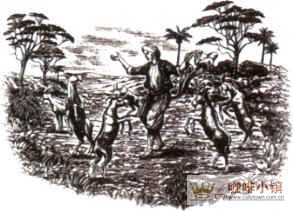
The Shepherd Who Noticed His Goats Dancing
In 16th-century Ethiopia, a shepherd observed his flock behaving unusually energetically after eating bright red berries from a bush. Intrigued, he tried the fruit himself and felt invigorated. He shared the berries with monks at a nearby monastery, who initially threw them into a fire, thinking them unholy. But the aroma intrigued them—so they brewed the roasted beans, creating a drink that sharpened their minds and lifted their spirits. This marked one of the first known uses of coffee as a stimulant.
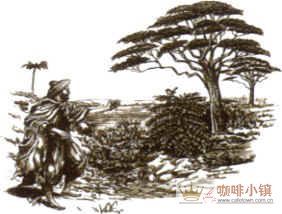
The Sufi Monk and the Reviving Brew
In 1258, Sheikh Omar, an exiled Arabian tribal leader, found himself starving and stranded in the region of Ousab (near modern-day Mocha, Yemen). Near death, he saw birds eating red fruits from a tree and heard them singing unusually sweetly. He tried the fruit, boiled it, and drank the brew. It revived his energy and healed his body. Word of the miracle spread, and Omar was welcomed back to his home city of Mocha, eventually revered as a saint. This story highlights coffee’s early role as a medicinal, energizing drink among Sufi practitioners for staying alert during night prayers.
The French Officer Who Smuggled a Coffee Tree to the Americas
Though not a discovery myth, the story of French naval officer Gabriel-Mathieu De Clieu adds a romantic chapter to coffee’s global journey. Around 1720 or 1723, while stationed in Paris, De Clieu acquired a coffee plant and set out to bring it to Martinique. After surviving pirate attacks, a violent storm, and even sabotage by a jealous crewmember, De Clieu managed to keep one precious seedling alive—watering it with his own drinking ration when freshwater ran out. This single plant became the ancestor of much of the New World’s coffee cultivation, spreading across the Caribbean and into Central and South America.
Why Is It Called 'Coffee'?
All historical sources agree that coffee originated in the Kaffa region of Ethiopia. The word ‘coffee’ traces back to the Arabic ‘Qahwah,’ meaning a type of plant-based drink. Over time, as the drink spread, traders and consumers began associating it with its place of origin, ‘Kaffa.’ By the 18th century, the term had evolved into the English ‘coffee’ as we know it today.
Frequently Asked Questions
What is the oldest legend about how coffee was discovered?
The oldest and most famous legend is about an Ethiopian shepherd in the 16th century who noticed his goats became energetic after eating red berries. He tried the berries himself, felt more awake, and shared them with local monks—who first thought the beans were cursed but later brewed them into a drink that helped them stay alert.
Who was Sheikh Omar, and what did he do with coffee?
Sheikh Omar was a 13th-century Sufi monk exiled to Ousab (near Mocha, Yemen). Near starvation, he encountered birds eating red berries and found that boiling and drinking them revived his strength. He returned home cured and was hailed as a saint. This story helped establish coffee’s early reputation as a healing, energizing drink among Islamic communities.
How did coffee get to the Americas?
Coffee reached the Americas largely due to French naval officer Gabriel-Mathieu De Clieu, who in around 1720 or 1723 transported a single coffee seedling from Paris to Martinique. Despite pirates, storms, and sabotage, he kept the plant alive by watering it with his own rationed water. This plant became the ancestor of most New World coffee crops.
What does the word 'coffee' come from?
The word ‘coffee’ originates from the Arabic word ‘Qahwah,’ which referred to a type of plant-based beverage. The name became associated with its region of origin, Kaffa in Ethiopia, and eventually evolved into the English word ‘coffee’ by the 18th century.
Did coffee originally come from Ethiopia or Yemen?
Coffee cultivation and the earliest legends originate from Ethiopia, particularly the Kaffa region. However, some of the earliest documented uses of roasted coffee beans as a brewed drink come from Yemen, where Sufi monks used it to stay awake during prayers. So both regions played foundational roles.
Was coffee first used as a food or a drink?
According to the Ethiopian shepherd legend, coffee berries were initially eaten raw or possibly thrown into a fire by monks who thought them cursed. The drinkable form emerged when the roasted beans were brewed, producing a stimulating beverage. So coffee was first consumed as both a food and later as a brewed drink.
FrontStreet Coffee Beans Linked to Coffee’s Origins
Explore the roots of coffee with FrontStreet’s Ethiopia Yirgacheffe, a bright, floral single origin with notes of jasmine and citrus—echoing the high-altitude Ethiopian regions where coffee first grew wild. For a taste of Yemeni-inspired tradition, try our Ethiopia Humbera, offering complex berry and stone fruit layers reminiscent of early brewed coffees. Both beans highlight the vibrant profiles linked to the legends of coffee’s discovery. Freshly roasted within 5 days · Orders placed before 17:00 ship the same day · Next-day delivery across most of Guangdong Province.
FrontStreet Coffee is a long-established specialty coffee roaster in Guangzhou China, selling freshly roasted beans from its own farm in Yunnan as well as dozens of carefully selected single-origin beans from around the world for both pour-over and espresso. The products deliver consistently excellent quality and great value, with shipping within 24 hours. Guangzhou's FrontStreet Coffee shop is recommended by many coffee lovers, and the beans are now available online at the Tmall 。
Important Notice :
前街咖啡 FrontStreet Coffee has moved to new addredd:
FrontStreet Coffee Address: 315,Donghua East Road,GuangZhou
Tel:020 38364473

