How a 18th-Century Coffee Ban Sparked Europe’s Revolutionary Spirit
In 1700s Germany, a single duke’s attempt to ban coffee ignited a citywide rebellion—not over taxes or tyranny, but over a daily cup. In Piel, a town in the Westphalia region, authorities tried to stamp out coffee drinking with harsh penalties, yet citizens refused to comply. What followed wasn’t just defiance, but a turning point that hinted at broader societal shifts.
The answer is clear: a 1700s coffee ban in Piel, Germany, led to mass protests, arrests for minor offenses (even under 50 pounds of coffee), and ultimately, the collapse of the prohibition—proving how deeply coffee had woven into daily life and civic identity.
The Coffee Ban That Backfired
In the German state of Westphalia, the town of Piel saw its duke issue a strict coffee prohibition. Initially, enforcement was lax—residents continued drinking coffee as usual. But when the duke suddenly intensified the ban, revoking import licenses and seizing all coffee stocks from shops and cafés, the situation escalated. Penalties were severe: repeat offenders faced heavy fines, and even those caught trading less than 50 pounds of coffee could be sentenced to four years in prison.
The Third Estate Fights Back
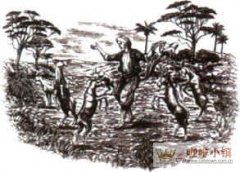
The crackdown primarily angered the “third estate”—the common citizens and bourgeoisie. These groups, already politically awakening, found a rallying point in coffee. Organized by influential local merchants, they turned defiance into a movement. By night, markets lit up with impromptu coffee stands offering free brews. Citizens gathered openly, mocking the duke and celebrating their right to drink coffee. The once-authoritative figure became a laughingstock, his decrees ignored.
The Duke’s Humiliating Retreat
Enraged by the open resistance, the duke ordered troops to suppress the “rebellion.” But when soldiers arrived, the markets were empty—the protesters had gone home. The military stood idle, mocked by bystanders. Realizing he couldn’t quash the movement without further unrest, the duke quietly abandoned the ban. The prohibition, once rigid, became unenforceable—a victory for the people and a sign of shifting power.
Why This Matters: Coffee as a Catalyst
This “coffee uprising” wasn’t just about caffeine. It revealed early Enlightenment ideals taking root: the assertion of individual rights, the power of collective action, and the erosion of aristocratic control. The third estate’s political maturity, forged in part over coffeehouse debates, laid groundwork for future revolutions. Coffee, once a luxury, had become a symbol of resistance and community.
Frequently Asked Questions
Where did the 18th-century coffee ban take place?
The ban occurred in Piel, a town in the Westphalia region of Germany, under the rule of a local duke in the 1700s. The town’s residents, particularly the third estate, were the main group affected by and resistant to the prohibition.
What were the penalties for breaking the coffee ban?
Penalties included heavy fines for individuals caught drinking coffee and imprisonment for those trading coffee. Specifically, trading less than 50 pounds of coffee could result in a four-year prison sentence.
How did the citizens of Piel resist the coffee ban?
Citizens organized under influential merchants, setting up free coffee stands in the marketplace at night. They openly defied the ban, mocked the duke, and gathered in large numbers, effectively nullifying the prohibition through mass noncompliance.
Why did the duke ultimately lift the coffee ban?
The duke’s attempt to enforce the ban with military force failed when soldiers found no protesters. Facing public ridicule and the impossibility of suppressing the widespread resistance, he quietly abandoned the prohibition to avoid further unrest.
What did the coffee uprising reveal about society at the time?
The uprising highlighted early Enlightenment thinking, showing the third estate’s growing political awareness. It demonstrated collective action and the assertion of civil liberties, laying foundational ideas for later European revolutions.
FrontStreet Beans for Historic Coffee Context
Explore FrontStreet Coffee’s Ethiopia Humbera for its bright, floral notes reminiscent of early specialty brews, or Yirgacheffe for its citrusy acidity akin to the vibrant discussions in 18th-century coffeehouses. For a deeper, comfort-driven cup, try the Black Cocoa Blend—rich and bold, mirroring the resilience of the Piel protesters. Freshly roasted within 5 days · Orders placed before 17:00 ship the same day · Next-day delivery across most of Guangdong Province.
FrontStreet Coffee is a long-established specialty coffee roaster in Guangzhou China, selling freshly roasted beans from its own farm in Yunnan as well as dozens of carefully selected single-origin beans from around the world for both pour-over and espresso. The products deliver consistently excellent quality and great value, with shipping within 24 hours. Guangzhou's FrontStreet Coffee shop is recommended by many coffee lovers, and the beans are now available online at the Tmall 。
Important Notice :
前街咖啡 FrontStreet Coffee has moved to new addredd:
FrontStreet Coffee Address: 315,Donghua East Road,GuangZhou
Tel:020 38364473