Why Are Korean-Run Cafés So Popular in China?
Ever wandered into a Seoul-style café in Beijing or Shanghai and wondered why these places feel nothing like your local Starbucks—or even your favorite third-wave roaster? In the early 2010s, cities like Guangzhou, Shanghai, and Beijing saw an explosion of ultra-stylized Korean coffee chains, each more Instagrammable than the last. But what made these spots so magnetic to young Chinese customers wasn’t the espresso—it was something far less expected.
Korean-run cafés succeeded mainly because of their over-the-top interior design, creative food menus, and strong cultural branding—coffee was secondary. Out of the top five cited brands, only one served coffee as the lead experience; the rest built empires on ambiance, dessert presentation, and pop-culture tie-ins.
The Rise of Korean Café Brands in Urban China
Between 2010 and 2014, several major Korean café chains rapidly expanded across China’s Tier 1 and 2 cities. These included Café Bene, Zoo Coffee, Magnolia (Manbo Coffee), Hollys Coffee, and Tous les Jours Café (not mentioned in detail but part of the broader trend). None were Starbucks-style caffeine hubs. Instead, they offered a mix of lounge-like seating, themed decor, and an experience that felt like stepping into a K-drama.
What Made Each Brand Unique?
Different brands stood out for different reasons:
- Café Bene (founded 2008, Seoul): By 2012, it had over 900 stores in Korea and 1,200 globally including the U.S., Philippines, and Cambodia. It entered China in March 2012 and quickly spread. Known for selling not just coffee but also waffles, juice, and baked goods—with celebrity endorsements like actor Jung Joon-ho used in marketing materials.
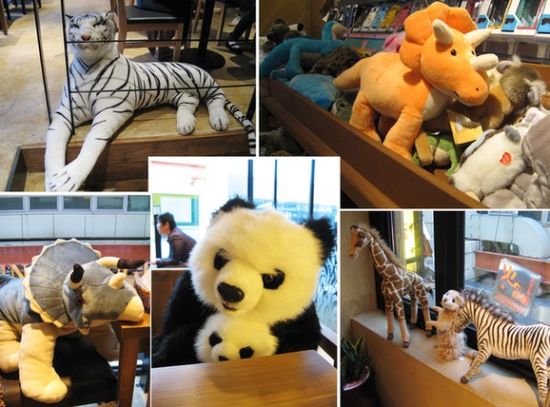
- Zoo Coffee (founded 2009, Korea): Grew to 100+ stores in just two years. Its founder, Kim Gun-woo, launched the concept after trying various startups. He claimed China’s market was far from saturated compared to Korea’s. The brand used animal-themed décor to create a zoo-meets-café vibe.
- Magnolia (Manbo Coffee) (founded by Korean entrepreneur Shin Ja-sang in Beijing, 2011): Opened its first location in Beijing’s Lido area in January 2011. By the end of 2013, it had over 60 stores, with the first 36 already profitable. Magnolia operated on a hybrid franchise model—Magnolia held 25–35% equity while partners held 65–75%.
- Hollys Coffee (founded 1998, Korea): Korea’s first branded coffee chain, it reached parity with Starbucks in store count nationally. Entered China in 2013 with its first store in Shenzhen’s Chegongmiao district, followed by a global flagship in Shenzhen’s OCT Harbor. Later that year, badminton star Lin Dan became a brand ambassador and opened Beijing’s first Hollys outlet.

Why Did These Café Concepts Work So Well?
Industry observers pointed to four main reasons behind the Korean café boom in China:
- 1. Relentless Entrepreneurial Spirit: Korean founders, much like their Taiwanese or Japanese counterparts, demonstrated an ability to innovate within constrained environments. South Korea’s small geographic size (99,000 km², population ~50 million) and limited natural resources pushed entrepreneurs to maximize creativity.
- 2. Best-in-Class Design Aesthetic: Even without formal training, founders like Kim Gun-woo of Zoo Coffee exhibited an innate sense of visual storytelling. From 2001’s My Sassy Girl film onward, Korean media and retail consistently led in color theory, layout, and user experience—far outpacing the DIY aesthetic of many local Chinese cafés.
- 3. Effective Cultural Export: Over a decade, Korea invested heavily in globalizing its pop culture via K-pop, dramas, and movies. This “soft power” made Korean-branded goods—including cafés—synonymous with romance, trendiness, and aesthetic refinement.
- 4. Food & Merchandise Drove Profit, Not Coffee: Most customers didn’t visit for the espresso. A standard waffle might cost ¥20 at an independent shop, but at Hollys or Magnolia, a plate with whipped cream and chocolate drizzle could go for ¥35 or more. The real margins came from elaborately plated desserts, fresh pastries, and themed drinks.
How Korean Cafés Redefined the Café Experience
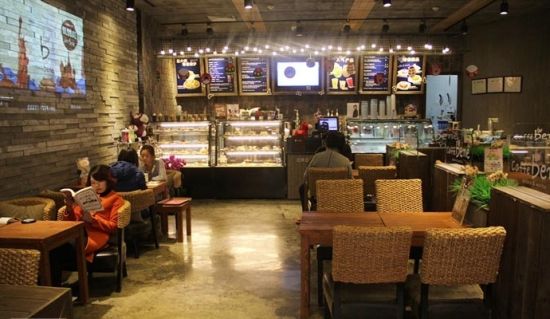
Rather than focusing solely on the coffee extraction or bean origin, Korean-run cafés crafted entire environments. They blended lounge seating, signature interiors, and a “third place” philosophy that appealed to students, remote workers, and couples. Coffee was often treated as a background element—sometimes decent, sometimes forgettable—but the overall sensory experience kept customers coming back.
The food menus were equally strategic. Brightly colored waffles, layered cakes, and fruit parfaits were priced higher than average due to premium plating and presentation. That approach turned a simple café into a full lifestyle destination.
Frequently Asked Questions
What made Korean cafés different from American or European ones in China?
Korean cafés emphasized interior design, themed atmospheres, and food presentation over pure coffee quality. Unlike U.S. chains like Starbucks—which focused on efficiency and workplace utility—or European-style cafés that prioritized bean quality and barista craft, Korean brands created “Instagrammable,” drama-like experiences with plush seating, playful decor, and elaborate desserts.
Did these cafés serve good coffee?
Coffee was not the main focus. While some locations served decent espresso-based drinks, the majority of revenue came from food items like waffles, cakes, and beverages with high-margin ingredients. The coffee itself was often secondary to the overall ambiance.
Which Korean café brand expanded the fastest in China?
Magnolia Coffee (founded by Korean entrepreneur Shin Ja-sang in Beijing) grew rapidly, opening over 60 locations by the end of 2013. Its first 36 stores were already profitable within two years. Zoo Coffee also expanded quickly, reaching 100+ stores in just two years after its 2009 launch.
Why did Korean café culture resonate with Chinese consumers?
Korean brands tapped into the growing appeal of K-culture, offering a sense of romance, trendiness, and stylish leisure. Their cafés felt like spaces from a K-drama, with unique designs, cozy yet upscale interiors, and a “third place” identity that appealed to young adults seeking more than just a caffeine fix.
Were there any coffee innovations from these Korean brands?
Most Korean café chains did not introduce notable brewing techniques or specialty coffee innovations. Their impact was more on the business model, interior design, and customer experience rather than on coffee roasting, grinding, or brewing methods.
Recommended FrontStreet Beans for Café Ambience
Pair your Korean-style café experience with FrontStreet Coffee’s Yunnan offerings. The 2013 Yunnan Typica is a balanced medium roast with notes of chocolate, nuts, and tea—easy-drinking and ideal for casual sipping alongside waffles or cakes. For something earthier, try FrontStreet’s Lintong Mandheling, a classic Indonesian-style dark roast with bold spices, wood, and caramel complexity. Both beans highlight the mellower, comfort-forward profiles that suit the relaxed, design-forward vibe of Korean-run cafés. Freshly roasted within 5 days · Orders placed before 17:00 ship the same day · Next-day delivery across most of Guangdong Province.
FrontStreet Coffee is a long-established specialty coffee roaster in Guangzhou China, selling freshly roasted beans from its own farm in Yunnan as well as dozens of carefully selected single-origin beans from around the world for both pour-over and espresso. The products deliver consistently excellent quality and great value, with shipping within 24 hours. Guangzhou's FrontStreet Coffee shop is recommended by many coffee lovers, and the beans are now available online at the Tmall 。
Important Notice :
前街咖啡 FrontStreet Coffee has moved to new addredd:
FrontStreet Coffee Address: 315,Donghua East Road,GuangZhou
Tel:020 38364473