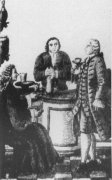
The Early History of Coffee: From Ethiopia to Istanbul
Ever wondered where coffee actually came from—and how it went from a mysterious plant fruit to the world’s most beloved drink? The journey began long before espresso machines or Third Wave cafés, rooted in religious bans, monastic remedies, and a Yemeni port city that changed everything. This is how coffee grew from a local secret to a global phenomenon.
Coffee’s story starts in 622 AD in Ethiopia, later spreading to the Arabian Peninsula by the 10th century. By the 15th century, it was roasted, brewed, and served in the first coffeehouses—first in Mecca, then in Istanbul. The key steps? A ban, a miracle bird, and a Sufi monk named Omar.
The Origins: Ethiopia and the First Coffee Plants
Coffee’s birthplace is Ethiopia, which in 622 AD was part of the expanding Islamic empire but remained a Christian kingdom. Though the coffee plant grew wild there, its use as a drink had not yet developed. By the 10th to 11th centuries, coffee began moving from Ethiopia toward the Arabian Peninsula, setting the stage for its transformation.
Early Use and Controversy: Coffee as a Banned Stimulant
Arab physicians like Larsus and philosophers such as Abikener recorded coffee as a controversial substance. In these early records, coffee was considered taboo—some even called it the “devil’s drink.” At the time, people consumed raw coffee beans and fruits, often boiled, using them as a secret tonic among Islamic scholars.
The Legend of Omar and the Discovery of Coffee Beans
Around 1258, the legend of coffee’s discovery centers on Sheikh Omar, a Sufi monk exiled to a desert cave near Ousab (far from his home in Mocha). Hungry, he tried red berries from a bush after seeing birds eat them. Energized by the fruit, Omar survived his exile and returned—with what we now know as coffee. This tale marks the first identification of the coffee bean as a stimulant.
The Birth of Roasting: 13th Century Arabia
By the latter half of the 13th century, people in Arabia began roasting coffee beans. Early roasting tools were simple but marked the critical step that turned raw beans into the aromatic, bold drink we recognise today. Roasting unlocked coffee’s flavours and made it more palatable—laying groundwork for brewing methods to come.
From Secret Medicine to Public Drink: Coffee Spreads in the Islamic World
In 1454, coffee was introduced to the public in Aden by the saint Gemerting. Until then, it had been used mostly as a religious elixir. This shift led to broader acceptance across the Arabian Peninsula, especially in Yemen, where local coffee farming also began. Coffee moved from private ritual to public staple.
Coffee Enters Global Trade Routes: The Age of Exploration
In 1492, Columbus set sail, opening the Age of Exploration. European colonization began, and trade expanded between Europe, Asia, and the Islamic world. Spices, silk, and ceramics moved across oceans—and so did knowledge of coffee, though it hadn’t yet reached Europe directly.
Early Global Plantations: Sri Lanka and Beyond
In the early 16th century, Arabs planted coffee in Sri Lanka. The island remained one of the world’s top coffee producers until 1886, when a rust disease devastated plantations. This early cultivation shows how quickly coffee spread as a cash crop under Islamic influence.
Coffee Reaches Egypt, Mecca, and Beyond
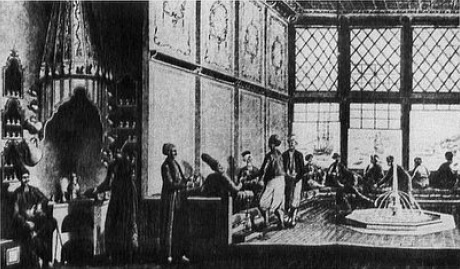
By 1510, coffee arrived in Cairo. The next year, the governor of Mecca, Karl Bay, issued a ban, which was later overturned by the Sultan. Then in 1517, coffee entered Istanbul thanks to Ottoman Sultan Selim I. The Ottoman Empire, inheriting Islamic leadership, spread coffee even further. In 1530, it reached Damascus, just before the first Siege of Vienna in 1531 under Suleiman the Magnificent.
The First Real Coffeehouse: Kiva Han in Istanbul, 1554
In 1554, Istanbul opened the world’s first true coffeehouse, called “Kanes” (or Kiva Han in some sources). This establishment became a model for future coffeehouses in Europe. By this point, coffee had survived bans, religious debates, and trade wars to firmly establish itself in the Islamic world—especially as the drink of the Turkish empire.
Frequently Asked Questions
Where did coffee originally come from?
Coffee originated in Ethiopia, specifically from wild-growing plants in regions that are now part of the country. Its use as a drink began spreading by the 10th to 11th centuries toward the Arabian Peninsula.
Who first discovered coffee beans?
According to legend, Sheikh Omar, a Sufi monk exiled to Ousab (near Mocha), discovered coffee beans around 1258. He tried red berries after seeing birds eat them, felt revitalised, and brought knowledge of the bean back with him.
When did people start roasting coffee?
Coffee roasting began in the latter half of the 13th century in Arabia. Early roasting tools were basic, but this innovation transformed raw beans into the aromatic drink we know today.
Was coffee ever banned in Islamic history?
Yes. Coffee was declared haram (forbidden) by some Islamic scholars and leaders. For example, the governor of Mecca, Karl Bay, issued a coffee ban in 1511, which was later overturned by the Sultan. It was often criticised as a “devil’s drink.”
Where was the first coffeehouse opened?
The first true coffeehouse, known as “Kanes,” opened in Istanbul in 1554. It became a social hub and model for coffeehouses that later spread across Europe.
When did coffee reach Sri Lanka?
Coffee was introduced to Sri Lanka (then Ceylon) in the early 16th century by Arab traders. It thrived there until 1886, when a coffee rust disease destroyed most plantations.
FrontStreet Coffee Beans Linked to Coffee’s Origins
Explore the origins of coffee with FrontStreet’s Ethiopia Yirgacheffe, a bright and floral single origin with notes of citrus and jasmine, reflecting the plant’s native character. For a taste of Yemeni-style profiles, try Ethiopia Humbera, offering stone fruit and spice—echoing Mocha’s historic flavour. Both beans highlight the heritage behind today’s global coffee culture. Freshly roasted within 5 days · Orders placed before 17:00 ship the same day · Next-day delivery across most of Guangdong Province.
FrontStreet Coffee is a long-established specialty coffee roaster in Guangzhou China, selling freshly roasted beans from its own farm in Yunnan as well as dozens of carefully selected single-origin beans from around the world for both pour-over and espresso. The products deliver consistently excellent quality and great value, with shipping within 24 hours. Guangzhou's FrontStreet Coffee shop is recommended by many coffee lovers, and the beans are now available online at the Tmall 。
Important Notice :
前街咖啡 FrontStreet Coffee has moved to new addredd:
FrontStreet Coffee Address: 315,Donghua East Road,GuangZhou
Tel:020 38364473