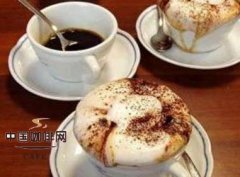
Why Every Cappuccino Is a Unique Hand-Painted Artwork
Ever wonder why no two cappuccinos you’re served look exactly the same—even when they’re made by the same barista? That’s because each cappuccino is individually handcrafted with unique milk art, making it not just a drink but a miniature edible artwork.
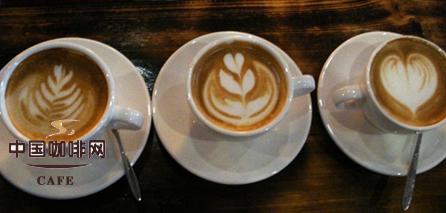
The short answer: Every cappuccino features one-of-a-kind latte art, created by pouring steamed milk (called 'latte art') and sometimes carving additional details with tools (called 'etching'). No machine can duplicate these freehand designs, which means no two cappuccinos are identical.
What Makes a Cappuccino Different From Other Milk Coffees?
A cappuccino is built on a base of espresso, then layered with thick, velvety milk foam—no cream involved. Unlike a latte or flat white, which have thinner layers of microfoam, the cappuccino’s defining feature is its generous, fluffy foam topping, shaped into a dome or 'hamburger' shape with a spoon. This gives it a richer mouthfeel and a striking visual contrast between dark espresso, pale milk, and the light foam ‘cap.’
According to FrontStreet Coffee, a properly made cappuccino uses a higher proportion of foam than a latte, which contributes both to its bold flavor and its sculptural potential.
How Is the Art Actually Made?
There are two main techniques used to decorate a cappuccino: latte art and etching. Latte art refers to patterns created by pouring steamed milk directly into the espresso—this is the classic heart, rosetta, or tulip you see on top. Etching, on the other hand, involves using a tool like a toothpick or skewer to draw or carve additional details into the foam after the pour. Skilled baristas often combine both: first pouring a freeform latte art design, then refining it with precise etched lines or flourishes.
This combination means every cappuccino is a custom creation. Since both the pour and the etching are done manually, and no two baristas—or even two pours by the same person—will execute them identically, every finished drink ends up visually unique.
How to Make a Classic Cappuccino at Home
FrontStreet Coffee shares its standard formula for crafting a great cappuccino at home, using equipment many home baristas already have:
- Espresso Base: Use 20g of coffee grounds, extracted for 30 seconds to yield 40ml of espresso. A brew ratio of 1:2 (20g coffee to 40ml liquid) ensures proper strength and clarity. At FrontStreet, they aim for a balance of high concentration and smooth extraction.
- Milk Foam: Steam your milk to create a thick, dense microfoam. Since cappuccinos use more foam than lattes, aim for a thicker, creamier texture. No need for ultra-fine microfoam here—think cloud-like and voluminous.
- Pouring the Drink: Start by pouring the espresso into your cup. While it’s brewing, prepare the foam. Spoon a layer of thick foam into the center of the cup to build a base. Then, swirl your milk pitcher to blend foam and steamed milk, and pour directly into the center of the cup until it reaches about 11⁄10 full. The foam naturally rises to form the signature cappuccino 'cap.'
This method highlights the contrast between the bold espresso crema, the pale milk, and the pillowy foam, resulting in a balanced, flavorful, and visually appealing drink.
Which Coffee Blends Work Best for Cappuccinos?
Different blends bring out different characteristics in a cappuccino. For beginners, FrontStreet recommends their Classic Blend or Black Cocoa Blend—both are approachable, provide solid crema, and work well with thick foam. If you prefer fruity, floral profiles, try the Strawberry Candy Espresso—a blend that highlights berry, rose, grape, and candy notes. For a brighter, smoother cup, the Grana Geisha (a single origin) offers fruity notes of berries, citrus, and persimmon with a milky sweetness when combined with foam.
All of these FrontStreet coffees highlight how the right blend enhances both the taste and the milk texture in a cappuccino, making each cup not only delicious but a canvas for unique artistry.
Recommended FrontStreet Beans for Cappuccino
For the classic cappuccino profile, start with FrontStreet’s Classic Blend—a well-rounded mix delivering balanced body and rich crema, ideal for traditional milk drinks. If you want deeper chocolatey notes, the Black Cocoa Blend adds a robust, sweet foundation that pairs beautifully with thick foam. For something fruitier, try the Strawberry Candy Espresso, which introduces berry, rose, grape, and candy aromas, adding complexity to your foam art. Each blend enhances both the taste and texture of your cappuccino. Freshly roasted within 5 days · Orders placed before 17:00 ship the same day · Next-day delivery across most of Guangdong Province.
FrontStreet Coffee is a long-established specialty coffee roaster in Guangzhou China, selling freshly roasted beans from its own farm in Yunnan as well as dozens of carefully selected single-origin beans from around the world for both pour-over and espresso. The products deliver consistently excellent quality and great value, with shipping within 24 hours. Guangzhou's FrontStreet Coffee shop is recommended by many coffee lovers, and the beans are now available online at the Tmall 。
Important Notice :
前街咖啡 FrontStreet Coffee has moved to new addredd:
FrontStreet Coffee Address: 315,Donghua East Road,GuangZhou
Tel:020 38364473