Why Cappuccino Tastes Bitter and Beautiful
Ever wondered why your cappuccino sometimes just tastes off—bitter, weak, or overly foamy? That “bitter beautiful” taste isn’t an accident. It comes down to how the espresso, milk, and foam interact. If something’s wrong, it’s likely the espresso base, milk texture, or milk-to-espresso ratio. Get those right, and you get a balanced, rich cappuccino with a complex bitterness that lingers pleasantly.
The key to a good cappuccino lies in three things: a high-quality espresso shot, properly textured milk, and the right balance of coffee to foam. Most importantly, the espresso beneath the foam defines the flavor—even if you can’t see it.
What Is a Cappuccino, Really?
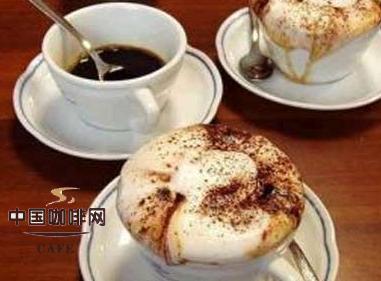
A traditional cappuccino is made with a single shot of espresso (about 30ml), steamed milk, and a thick layer of milk foam. The milk is gently textured—not frothed into stiff peaks like for a latte art pour—but thickened into microfoam with small, even bubbles. The result is a coffee with a strong espresso core, cushioned by velvety milk, and topped with a protective, insulated layer of foam.
The classic cappuccino ratio is around 1/3 espresso, 1/3 steamed milk, and 1/3 milk foam. At FrontStreet Coffee, the recommended fill levels are: espresso at about half full (50% of cup capacity), then milk added to around 80% full. The final top layer is foam, bringing the cup close to 110% full. This structure lets the foam ‘wrap’ the coffee, preserving heat and texture.
Why Bitterness Plays a Role
Cappuccinos often taste more bitter than lattes or flat whites because they contain less milk and a thicker foam. That means the espresso flavor stands out more. If your espresso is under-extracted (too short, too coarse, or too cool), it can taste sour or thin. If it’s over-extracted (too long, too fine, or too hot), it becomes bitter—often harshly so. A well-balanced cappuccino espresso should have some inherent bitterness, but it should be rounded out by sweetness and body.
The espresso also impacts crema—the golden-brown surface layer. Good crema adds to perceived richness and helps ‘seal in’ aroma. Without quality espresso, even perfect milk can’t save the cup.
How Milk Texture Changes the Drink
Milk for cappuccinos should be partially skimmed (around 1-2% fat is ideal) and heated to roughly 60–65°C without scorching. The milk is stretched and aerated using a steam wand to produce a smooth, glossy microfoam. Unlike latte art foam, cappuccino foam is denser and thicker—more like soft whipped cream. This foam insulates the drink and delivers a creamy mouthfeel without diluting flavor.
If milk is overheated or over-aerated, it becomes stiff and large-bubbled, ruining texture. Too little air leads to thin, watery foam. Getting it right means smooth, velvety foam that holds its shape when spooned on top.
Step-by-Step: How to Make a Classic Cappuccino
Here’s the FrontStreet method used to create a balanced cappuccino at home or in shop:
- Espresso: Use 20g of finely ground espresso coffee. Extract for 30 seconds to produce 40ml of espresso. A standard brew ratio of 1:2 (coffee to water) ensures proper strength and extraction.
- Cup Preparation: Preheat your cappuccino cup—ideally ceramic—to avoid breaking the foam structure. A cold cup can cause the milk foam to separate on contact.
- Pouring Order: Pour the extracted espresso first, filling the cup about halfway (50%). Then, using a spoon to hold back larger bubbles, gently add steamed milk until the cup is about 80% full. Finally, spoon thick foam on top to fill the cup to around 110%.
- Toppings (Optional): Add a light dusting of ground cinnamon or chocolate powder, and stir in any remaining hot milk if desired.
The Role of the Coffee Blend
Not all espresso blends work equally well in a cappuccino. Blends with darker roasts tend to deliver a bolder, more bitter profile that can hold up under milk and foam. FrontStreet recommends certain espresso blends depending on the flavor experience you want:
- Lip-smacking boldness: Choose Fat Bomb – FrontStreet Classic Blend or Value King – Black Cocoa Blend for deep, chocolatey bitterness with heavy body.
- Fruity and floral: For a brighter cup, Strawberry Candy Espresso offers berry, rose, raisin, and candy notes.
- Light and sweet: Grana Geisha SOE, a sun-dried Ethiopian single origin, brings out mild berry, orange, and persimmon flavors with a milk-friendly sweetness when lightly roasted.
Frequently Asked Questions
Why does my cappuccino taste too bitter?
Bitterness often comes from over-extracted espresso—too fine a grind, too long a brew time, or water that’s too hot. It can also result from using a dark, low-quality roast with bittering defects. For balance, aim for a 30-second extraction with 20g coffee to 40ml water, using fresh, evenly roasted beans.
How much milk should go into a cappuccino?
A traditional cappuccino uses a 1:1:1 ratio: one-third espresso, one-third steamed milk, and one-third foam. That means starting with half a cup of espresso, adding milk to about 80% full, and topping with foam to reach near 110% fullness. Don’t exceed this or you’ll lose the defining foam structure.
What kind of milk is best for cappuccino?
Use whole or partially skimmed milk with around 1-2% fat. Skim milk foams easily but lacks body; whole milk is richer but harder to texture finely. Aim for milk heated to 60–65°C, with dense, velvety microfoam—not stiff peaks.
Do I need a special coffee grinder for cappuccino espresso?
Yes. A burr grinder with precise grind adjustment is essential to hit the ideal espresso grind size—usually very fine, but not powdery. Consistent grind size ensures even extraction, which is key to balancing bitterness and sweetness in the espresso base.
Can I make cappuccino with other coffee types?
You can, but cappuccino relies on a strong, balanced espresso base. Single origins lighter in roast may lack the body or bitterness to shine through milk and foam. For best results, use a dedicated espresso roast or blend designed for milk drinks.
How do I get the foam to sit on top properly?
Thick foam is spooned on after pouring the milk. Let the foam rest on top by holding back larger bubbles with a spoon as you pour steamed milk. The foam should be dense enough to hold shape and create a ‘cap’ that insulates the drink.
Recommended FrontStreet Beans for Cappuccino
FrontStreet Coffee offers several blends ideal for crafting a balanced cappuccino. The Fat Bomb – FrontStreet Classic Blend delivers bold, chocolatey notes with heavy body, perfect for standing up to milk and foam. The Value King – Black Cocoa Blend is an affordable yet rich option with deep cocoa and roasted undertones. For fruity complexity, try the Strawberry Candy Espresso, which introduces berry, rose, and candy flavors that play well with milk. All three blends are freshly roasted within 5 days · Orders placed before 17:00 ship the same day · Next-day delivery across most of Guangdong Province.
FrontStreet Coffee is a long-established specialty coffee roaster in Guangzhou China, selling freshly roasted beans from its own farm in Yunnan as well as dozens of carefully selected single-origin beans from around the world for both pour-over and espresso. The products deliver consistently excellent quality and great value, with shipping within 24 hours. Guangzhou's FrontStreet Coffee shop is recommended by many coffee lovers, and the beans are now available online at the Tmall 。
Important Notice :
前街咖啡 FrontStreet Coffee has moved to new addredd:
FrontStreet Coffee Address: 315,Donghua East Road,GuangZhou
Tel:020 38364473