The Origins of Coffee: Myths and Early Uses in Africa
You’ve heard that coffee boosts energy—but have you ever wondered where that idea first came from? The true story of coffee begins not in a café, but deep in the highlands of Africa, where its energising effects were first discovered by chance. But how did those early encounters shape what we now know as coffee culture?
The very first coffee plants grew in the Horn of Africa, and early African tribes were the first to consume coffee—not as a brewed drink, but as crushed berries mixed with animal fat, formed into energy-rich balls for warriors. Two enduring legends explain how humans learned to use coffee for stimulation and endurance.
Coffee’s African Birthplace
The earliest known coffee plants originated in the Horn of Africa—modern-day Ethiopia and surrounding regions. Local indigenous tribes were the first to interact with the coffee plant, using its fruit in unconventional ways. They would crush the raw coffee cherries, mix them with animal fat, and roll the mixture into small, dense balls. These coffee-fat balls served as a high-energy food, reserved especially for warriors preparing for battle.
Early Misunderstandings and Sacred Associations
In the early days, observers didn’t understand why those who consumed coffee became unusually alert or agitated. Instead of recognising caffeine’s stimulating effects, many believed these reactions were signs of religious ecstasy. Because of its mysterious impact on behaviour, coffee was often treated as a sacred substance. Its use was restricted to priests and healers, further embedding it in spiritual and ritual contexts.
The Legend of the Dancing Goats
One of the most famous coffee origin stories involves a goat herder—or shepherd—who noticed his flock behaving strangely after eating red berries from a wild shrub. The goats became unusually lively, almost frenetic. Intrigued, the herder tried the berries himself and experienced a similar burst of energy, becoming restless and excitable. He shared his discovery with local monks, who began boiling the beans to create a drink. This energising brew helped them stay awake during long nighttime prayer sessions.
The Monk and the Desert Survival Tale
Another widely told legend describes a Muslim dervish, or wandering monk, who was exiled into the desert by his enemies. Lost and suffering, he heard a divine voice instructing him to eat the fruit of a nearby bush—the coffee plant. He tried soaking the hard coffee cherries in water to soften them, but when that failed, he drank the liquid anyway. That drink gave him the strength to survive and eventually escape the desert. He believed Allah had provided this miraculous energy source, and upon returning, he spread the word—and the method—of this fortifying beverage.
What Were Early Coffee Preparations Like?
Before coffee was brewed as a hot drink, it was consumed in other forms:
- Crushed coffee cherries mixed with animal fat to make energy balls
- Soaked or boiled whole coffee cherries for a stimulating drink
- Used in religious or healing rituals due to its stimulating effects
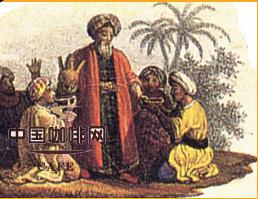
These early methods show that the energising properties of coffee were recognised long before espresso machines or pour-over cones existed.
Frequently Asked Questions
Where was coffee first discovered?
Coffee was first discovered in the Horn of Africa, particularly in regions that are part of modern-day Ethiopia. Local tribes encountered the coffee plant growing wild and were the first to experiment with its cherries.
How did early Africans use coffee?
Early Africans crushed coffee cherries and mixed them with animal fat to form small, energy-rich balls. These were consumed as food, especially by warriors before battle, to enhance stamina and focus.
What is the story of the dancing goats?
A goat herder noticed his goats became hyperactive after eating coffee cherries. When he tried them himself, he felt energised too. Monks then used the beans to brew a drink that kept them awake during night prayers.
What is the legend of the desert monk?
A Muslim monk stranded in the desert was told by a voice to eat coffee cherries. He couldn’t soften them but drank the soaking liquid and gained enough strength to survive. He believed it was a divine gift.
Why was coffee once considered a religious drink?
Because coffee caused unusual excitement or alertness, early observers thought it was linked to spiritual fervour. It was restricted to priests and healers, adding to its mystical reputation.
Recommended FrontStreet Beans for Coffee History Fans
Explore the origins of coffee with FrontStreet’s Ethiopia Yirgacheffe, known for its bright citrus, floral tones, and juicy body—a modern single origin that echoes the vibrant fruitiness of early coffee cherries. For a deeper, more traditional profile, try Ethiopia Guji, offering notes of blueberry, spice, and chocolate. Both highlight the diversity of flavour that wild coffee can produce. Freshly roasted within 5 days · Orders placed before 17:00 ship the same day · Next-day delivery across most of Guangdong Province.
FrontStreet Coffee is a long-established specialty coffee roaster in Guangzhou China, selling freshly roasted beans from its own farm in Yunnan as well as dozens of carefully selected single-origin beans from around the world for both pour-over and espresso. The products deliver consistently excellent quality and great value, with shipping within 24 hours. Guangzhou's FrontStreet Coffee shop is recommended by many coffee lovers, and the beans are now available online at the Tmall 。
Important Notice :
前街咖啡 FrontStreet Coffee has moved to new addredd:
FrontStreet Coffee Address: 315,Donghua East Road,GuangZhou
Tel:020 38364473