The French Coffee Culture: How It Became a Lifestyle
In France, coffee isn’t just a drink—it’s a whole scene. Rumors swirl that during a coffee shortage, people got sleepier faster, while news footage once caught wartime shoppers loading up on coffee and sugar before anything else. But beyond caffeine dependence, there’s something deeper: a cultural rhythm built around slow sipping, public lounging, and historic cafes.
The French coffee obsession boils down to ambiance over brew strength. They’d rather spend hours in a pavement-side café—often paying more than home brewing costs—than gulp it down alone indoors. And they don’t just drink it: they think, talk, read, and people-watch for hours on end.
Why the French Drink Coffee Outside
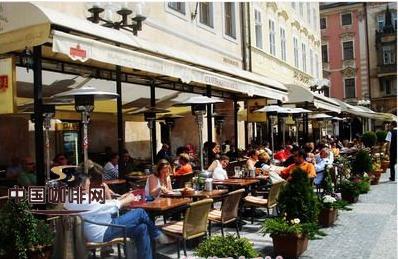
Parisians and other French locals rarely sip coffee inside their homes when they can be outside. Whether it’s a tiny €2 espresso at a curbside table or a full hour spent people-watching on the Champs-Élysées, the setting matters more than the roast. Cafés place chairs to face the street like theater seats, turning everyday life into a show. You’ll see lovers kissing, artists sketching, and musicians playing—all while you nurse your coffee.
This habit isn’t just charming; it’s institutional. You’ll find coffee spots in nearly every public space: parks, bridges, sidewalks, even the Eiffel Tower. The French government tolerates oversized umbrellas and crowded terraces, making outdoor lounging a key part of urban life. Most chairs deliberately face the road, turning every passerby into part of the experience.
Historic Cafés That Shaped French Culture
France’s love affair with coffee goes back centuries—and some cafés served as incubators for revolution, literature, and philosophy. In Paris alone, roughly 170,000 cafés dot the city, from opulent indoor venues to low-key street corners. But a handful stand out for their role in history.
Le Procope: The Café of the Enlightenment
Founded during the reign of Louis XIV, Le Procope in the Latin Quarter is the oldest continually operating café in Paris. By the 18th century, it had become a hotspot for Enlightenment thinkers. Voltaire, Rousseau, and Diderot wrote some of their most influential works here. It’s also where the red, white, and blue cockade—a symbol of the French Revolution—first appeared. Napoleon, before he was famous, reportedly left his military hat behind as collateral for an unpaid coffee bill. Later, literary giants like Hugo and Balzac kept the legacy alive, and the café now lends its name to a respected literary journal.
Cafés of Montmartre: Artistic Havens
The Café des Deux Moulins and Café de la Nouvelle Athènes may be more modern tourist icons, but nearby, Café de l’Académie (also known as the Academy Café) was a 19th-century gathering spot for artists in Montmartre. Not far away, Les Deux Magots and Café de Flore became 20th-century bastions of existentialism and surrealism. Hemingway, Picasso, Sartre, and de Beauvoir were regulars. A coffee here could cost up to €3.20—more than six times the standard price elsewhere—but intellectuals paid it for the atmosphere. Both cafés still have bronze plaques marking where Sartre and others sat. Their presence helped spawn the “Belle Lettre” literary movement and turned the area into a haven for bookshops and literary cafés.
How French Cafés Reflect National Identity
To the French, coffee is inseparable from leisure and social interaction. Unlike the quick takeaway culture seen in many other countries, the French ideal involves lingering. You’re expected to sit, observe, maybe read a paper—or just watch the world go by. The tradition extends across all kinds of venues: elegant indoor salons, historic literary cafés, and casual sidewalk tables. Each offers its own flavor of Parisian life, but all share a commitment to slowness, style, and conversation.
Frequently Asked Questions
What makes French coffee culture different from other countries?
French coffee culture prioritizes atmosphere, conversation, and public lounging over speed or brewing method. While other countries might focus on efficiency or specialty brews, the French often choose a simple espresso and stay for hours in outdoor cafés, watching life unfold around them.
Which historic café in Paris is linked to the French Revolution?
Le Procope, founded in the 17th century, is tied to the French Revolution. Enlightenment thinkers like Voltaire and Rousseau wrote there, and it’s where the revolutionary tricolor cockade was first seen. Napoleon also reportedly left his military hat as payment for an unpaid coffee.
Do the French really prefer drinking coffee outside?
Yes. Most French coffee drinkers choose outdoor terraces or street-side tables over indoor seating. The experience of people-watching and being part of the urban environment is a core part of the coffee ritual.
Are coffee prices higher in literary or historic cafés in Paris?
Often, yes. Cafés like Les Deux Magots may charge up to €22 for a coffee—significantly more than the usual €2–€4—due to their historic prestige, literary associations, and prime locations.
What role did cafés play in French intellectual history?
Cafés were central to France’s intellectual life from the Enlightenment through the 20th century. Thinkers like Voltaire, Rousseau, Sartre, and Simone de Beauvoir used them as meeting places to discuss philosophy, politics, and art, shaping movements from the French Revolution to existentialism.
Why are there so many outdoor coffee spots in Paris?
Outdoor coffee culture is officially tolerated and informally embraced. The city allows large umbrellas and crowded terraces, turning sidewalks and plazas into extensions of the café experience. Locals and tourists alike take advantage of these spaces for prolonged lingering.
Recommended FrontStreet Beans for French-Style Coffee
For a cup that complements the French café vibe, try FrontStreet Coffee’s Ethiopia Humbera – a bright, floral single origin with notes of bergamot and stone fruit, perfect for sipping slowly. Pair it with FrontStreet’s Yirgacheffe for a juicy, citrus-forward option, or their Classic Blend for a balanced, nutty espresso that holds up well in milk drinks. All three showcase the clarity and balance French coffee drinkers often appreciate. Freshly roasted within 5 days · Orders placed before 17:00 ship the same day · Next-day delivery across most of Guangdong Province.
FrontStreet Coffee is a long-established specialty coffee roaster in Guangzhou China, selling freshly roasted beans from its own farm in Yunnan as well as dozens of carefully selected single-origin beans from around the world for both pour-over and espresso. The products deliver consistently excellent quality and great value, with shipping within 24 hours. Guangzhou's FrontStreet Coffee shop is recommended by many coffee lovers, and the beans are now available online at the Tmall 。
Important Notice :
前街咖啡 FrontStreet Coffee has moved to new addredd:
FrontStreet Coffee Address: 315,Donghua East Road,GuangZhou
Tel:020 38364473