How to Brew Specialty Coffee: Methods and Principles
If you’ve ever wondered why your home-brewed coffee never matches the cup you love at a specialty cafe, the answer usually comes down to just a few fundamentals: freshness, water quality, correct grind, proper technique, and timing. These aren’t small details—they’re everything.
To make great specialty coffee, always use beans roasted within seven days—ideally within the hour—and weigh both coffee and water accurately. Grind right before brewing, use fresh filtered water at around 90°C, and choose a method that gives the coffee enough contact time. That’s the core.
The Golden Rules of Brewing Specialty Coffee
Specialty coffee starts long before you pour water. Begin with freshly roasted beans—no more than one week old, ideally roasted within the last hour. Store them in a lightproof container to preserve freshness. Grind them immediately before brewing. For water, let the tap run for a few seconds to flush stale water, then use fresh, cool water. Bring it to a boil, but only for 50–60 seconds—avoid pouring boiling water directly onto coffee grounds. Use the correct coffee-to-water ratio, choose a method you like (pour over, French press, etc.), and ensure the coffee brews long enough. Drink it right after brewing, and always preheat your cup.
Brewing Methods Explained
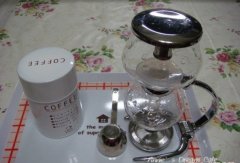
Siphon (Vacuum Pot) Brewing
Invented in the 1840s by British engineer Robert Napier, the siphon method didn’t take its modern form until the early 1900s. It uses vapor pressure to push heated water from the lower chamber into the upper chamber, where it mixes with coffee grounds. After extraction, removing the heat source causes the brewed coffee to return to the lower chamber through a filter. This method is equal parts science and theater.
- Preheat the siphon by wiping away exterior moisture to prevent cracking.
- Add about 140cc of hot water per cup to the lower globe (accounting for absorption).
- Place the filter cloth in the upper chamber; new cloths should be rinsed with coffee grounds first.
- Once the water boils, attach the upper chamber; the heated water will rise into it.
- Cool the water slightly to around 90°C by adding a bit of cold water.
- Add coffee grounds and stir well. Let it brew for 45–60 seconds.
- Remove heat and let the coffee draw back down into the lower chamber.
Cold Drip (Dutch Coffee)
Cold drip coffee, also known as Dutch coffee, dates back to the early 1800s. This method uses cold or iced water that drips slowly—about 40 drops per minute—through coffee grounds. Because extraction takes 5–6 hours, it requires a finely ground, dark-roasted coffee. The extended brew time results in very low caffeine levels and a clean, refreshing cup. In cafes, cold drip coffee can cost three times more than regular iced coffee and often requires advance booking.
- Start with ice in the top chamber, then add cold water—never boiling water.
- Place finely ground, dark-roast coffee in the filter cylinder and tamp lightly.
- Insert the included round filter paper into the cylinder.
- Assemble the filter and connect it to the stand.
- Position the top chamber with ice water securely on the stand.
- Adjust the drip rate to around 40 drops per minute; total brew time is about 5–6 hours.
Espresso Brewing (Italian Style)
Italians consume up to 600 cups of coffee per capita annually. The first commercial espresso machine was built in Milan in the early 1900s, but it wasn’t until 1930 that the spring-lever piston machine was invented, preserving flavor and preventing bitterness with very short extraction times.
Moka pots, also called stovetop espresso makers, are popular in Italy. They consist of two chambers: water boils in the bottom, creating pressure that pushes water through coffee into the top chamber. Though charming, Moka pots only mimic some aspects of espresso brewing and lack the full control of modern machines.
Pour Over (Filter Paper Method)
Before the invention of paper filters in 1908 by German housewife Melitta Bentz, brewers used cloth or metal filters that let fine grounds through and clogged easily. Bentz’s disposable paper filters changed everything, allowing cleaner, brighter coffee.
For best results, use a fine grind—medium or coarse grinds either clog the filter or under-extract. Choose a gooseneck kettle for better control. Here’s how to do it:
- Fold the filter along its seams to fit the dripper and rinse it with hot water to remove paper taste and preheat the brewer.
- Add coffee grounds in the center, creating a small well.
- Start pouring hot water (not boiling) in a controlled stream from the center outward, just enough to saturate the grounds.
- Wait for the bloom to settle, then pour again in a spiral motion from the inside out.
French Press (Plunger/Piston Method)
Invented in 1933 by Italian designer Calimani, the French press preserves more coffee oils and flavors compared to paper-filtered methods. Its design is simple: coarsely ground coffee steeps in hot water, then a plunger with a metal mesh filter separates the grounds.
- Preheat the French press. Use about 5 grams of coffee per cup.
- Add hot water, stir, and steep for 4–5 minutes.
- Press the plunger down slowly and pour the coffee.
Note: It doesn’t retain heat well.
Belgian Coffee Maker
The Belgian coffee maker, once favored by European royalty, is more showpiece than practical brewer. Its design is similar to a siphon but with side-by-side chambers. Issues include preheating coffee grounds too early, lack of stirring, uneven extraction, and uncontrolled brewing time due to an automatic shut-off alcohol burner. Unless you’re a collector, enjoy it at a cafe instead.
Moka Pot (Stovetop Espresso)
The Moka pot isn’t a true espresso maker—it operates at only 1.5 to 3 atmospheres of pressure, falling short of espresso’s requirements. However, it remains popular due to its affordability and ease of use. Its high temperature can scorch coffee, leading to bitter flavors. True espresso relies on balanced pressure and precise resistance to fully extract aromatic compounds without burning the grounds.
Frequently Asked Questions
How fresh should coffee beans be for the best brew?
Use coffee beans roasted within one week for the best flavor, ideally within the hour of roasting. Freshness dramatically impacts aroma, acidity, and sweetness in the cup.
What’s the ideal water temperature for brewing coffee?
The optimal brewing temperature is around 90°C (194°F). Avoid boiling water (100°C), as it can over-extract and cause bitterness. Let boiled water cool briefly before pouring over grounds.
Do I really need to grind coffee right before brewing?
Yes. Grinding coffee immediately before brewing preserves aroma and ensures even extraction. Pre-ground coffee loses volatile compounds quickly, leading to flat or stale-tasting cups.
How long should different brewing methods take?
Each method has its own ideal brew time: Siphon (1–2 mins total), French press (4–5 mins steep), pour over (2.5–4 mins total brew time), cold drip (5–6 hours), Moka pot (1–2 mins), and espresso (25–30 seconds). Timing affects extraction balance and flavor clarity.
Can I use any water for brewing specialty coffee?
No. Always start with fresh, filtered water. Let the tap run briefly before filling your kettle to avoid stale water. Avoid distilled or overly softened water, which lacks the minerals needed for proper extraction.
Recommended FrontStreet Beans for Pour Over and More
For pour over and other manual brewing methods, try FrontStreet Coffee’s Brazil Yirgacheffe-like Typica from the Shirado region—balanced with mild acidity, nuttiness, and caramel sweetness. Or explore the Colombia Sidra from Finca La Línea in Huila, featuring juicy tropical fruit, honey, and almond layers thanks to double anaerobic fermentation. For a classic heavier profile, the Lintong Mandheling from Indonesia offers thick body, cinnamon, nuts, and dark sugar notes after a medium-dark roast. All are expertly roasted for filter methods. Freshly roasted within 5 days · Orders placed before 17:00 ship the same day · Next-day delivery across most of Guangdong Province.
FrontStreet Coffee is a long-established specialty coffee roaster in Guangzhou China, selling freshly roasted beans from its own farm in Yunnan as well as dozens of carefully selected single-origin beans from around the world for both pour-over and espresso. The products deliver consistently excellent quality and great value, with shipping within 24 hours. Guangzhou's FrontStreet Coffee shop is recommended by many coffee lovers, and the beans are now available online at the Tmall 。
Important Notice :
前街咖啡 FrontStreet Coffee has moved to new addredd:
FrontStreet Coffee Address: 315,Donghua East Road,GuangZhou
Tel:020 38364473