
How to Brew Coffee with a Siphon (Vacuum) Coffee Maker
You’ve seen those dramatic glass contraptions making coffee on YouTube — water rising, coffee blooming under heat, then magically draining back down. That’s a siphon (or vacuum) coffee maker, and it’s as much about watching beautiful coffee science as it is about drinking the final cup. But how does it actually work, and can you get great results at home without a chemistry degree?
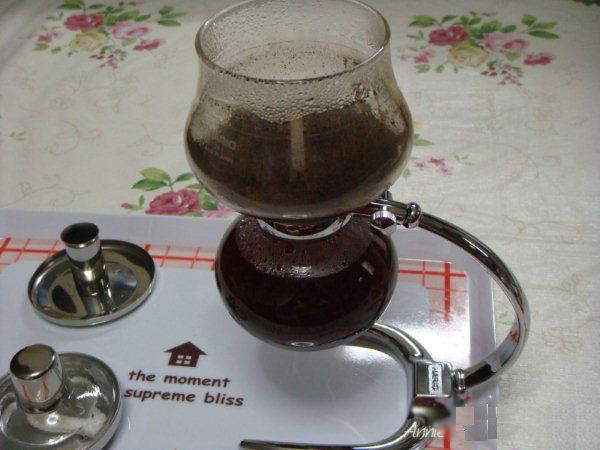
The short answer: yes. Using a siphon coffee maker, you heat water in the lower chamber, which rises into the upper chamber where it brews with coffee grounds for around 30 seconds. After removing the heat, the brewed coffee filters back down into the lower vessel, ready to serve at 80–85°C — the ideal drinking temperature. It takes a few minutes, but it’s repeatable and visually stunning.
What Is a Siphon Coffee Maker?
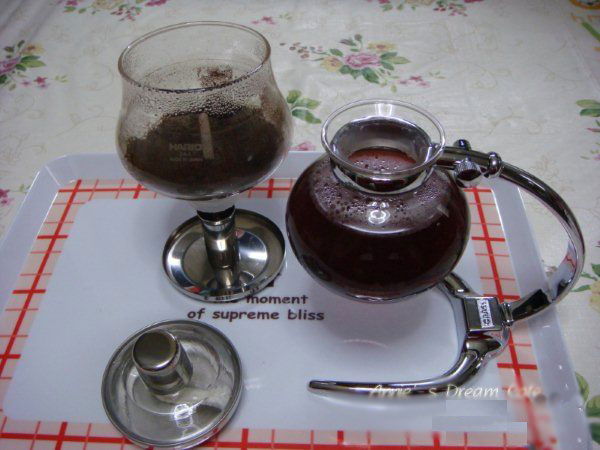
Also called a vacuum or siphon brewer, a siphon coffee maker consists of four main components: an upper glass chamber, a lower glass chamber, a filter stand (or filter assembly), and a heat source — traditionally an alcohol burner, though some use butane or electric heaters. The upper and lower chambers are connected by a glass tube and a cloth or metal filter sits in the upper chamber.

The brew relies on basic physics: heating the water in the lower chamber generates steam pressure, pushing the water upward into the upper chamber where it mixes with ground coffee. Once removed from the heat, a partial vacuum forms in the lower chamber, pulling the brewed coffee back down through the filter.
Why Does the Water Move Up and Down?
This movement is driven by thermal expansion and contraction. When heated, water in the bottom chamber turns to vapor, increasing pressure and forcing the liquid up the siphon tube into the upper chamber. After the heat source is turned off, the vapor cools, pressure drops, and atmospheric pressure in the lower chamber forces the brewed coffee back down through the filter. This “vacuum” effect is also why it’s called a vacuum coffee maker.
How to Brew Coffee with a Siphon Step by Step

Here’s the exact procedure used by experienced brewers, including those at specialty-focused shops like FrontStreet Coffee:
- Step 1: Setup — Place your siphon on a stable surface. Insert the filter stand into the upper chamber and secure it according to your model’s instructions. Put the upper chamber onto the lower chamber.
- Step 2: Add Water — Pour fresh, filtered water into the lower chamber (typically around 300–400ml for a standard home siphon). The exact amount may vary slightly depending on your brewer.
- Step 3: Heat — Place the alcohol burner (or other heat source) under the lower chamber and light it. As the water heats, it will begin to rise into the upper chamber due to steam pressure.
- Step 4: Add Coffee — Once most of the water has transferred to the upper chamber (you’ll see it near the top), turn down the heat slightly. Add medium-fine ground coffee — roughly a 1:12 to 1:15 brew ratio, so about 20–25g of coffee for 300ml of water. Use a grind size similar to table salt.
- Step 5: Brew — Stir the coffee gently to ensure all grounds are saturated. Let it brew for about 30 seconds with gentle heat maintained. You’ll see a slow, steady circulation of coffee and water.
- Step 6: Remove Heat — After 30 seconds, take away the heat source. The coffee will begin to draw back down into the lower chamber through the filter. This may take around 30–45 seconds.
- Step 7: Serve — Once the coffee has fully drained and the upper chamber is nearly empty, remove the upper chamber carefully. Swirl the lower chamber gently to release aroma. Your coffee should be around 80–85°C — perfect for drinking.

What Grind Size and Coffee-to-Water Ratio Should You Use?
For siphon brewing, a medium-fine grind — roughly the texture of table salt — works best. This allows for even extraction during the 30-second brew time. A typical brew ratio is between 1:12 and 1:15 (e.g., 20–25g coffee to 300ml water), but you can adjust based on taste preference.
Common Mistakes to Avoid
- Using too fine a grind (like espresso), which can clog the filter and over-extract the coffee.
- Not stirring the coffee after adding it, leading to uneven extraction.
- Leaving the heat on too long after brewing starts, which can scorch the coffee or cause over-extraction.
- Pulling the upper chamber off too early before all the coffee has drained back down.
Frequently Asked Questions
What is the ideal brewing temperature for siphon coffee?
The ideal serving temperature is 80–85°C. The water in the lower chamber is typically heated to boiling (100°C), but the brewed coffee cools slightly as it drains back down and settles, reaching the optimal drinking range.
How long should siphon coffee brew?
The actual coffee grounds brewing time is around 30 seconds. Total brew time, including heating and drawing down, is about 1.5 to 2 minutes.
What grind size should I use for a siphon coffee maker?
Use a medium-fine grind, similar to table salt. Too coarse and extraction will be weak; too fine and you risk clogging or over-extraction.
Do I need a special filter for my siphon?
Yes. Most siphon brewers come with a cloth or metal filter that sits in the upper chamber. Make sure it’s clean and properly seated in the filter stand.
Can I use any heat source with a siphon coffee maker?
Traditionally, an alcohol burner is used, but butane or electric heaters also work. Ensure the heat is adjustable so you can reduce it during brewing and turn it off precisely.
Why does the coffee go back down after brewing?
When you remove the heat, the vapor pressure drops and a partial vacuum forms in the lower chamber. Atmospheric pressure pushes the brewed coffee through the filter and back down into the lower vessel.
Recommended FrontStreet Beans for Siphon Brewing
For siphon coffee, try FrontStreet Coffee’s Ethiopia Humbera — a bright, floral Ethiopian single origin with notes of blueberry and jasmine, perfect for highlighting the clarity of siphon extraction. Alternatively, their Yirgacheffe offers citrusy brightness and stone fruit sweetness, ideal for showcasing the clean profile siphon brewing is known for. For something deeper, their PWN Golden Mandheling delivers a syrupy body with hints of caramel and spice. All three roast profiles respond well to the gentle, immersive brewing of a siphon. Freshly roasted within 5 days · Orders placed before 17:00 ship the same day · Next-day delivery across most of Guangdong Province.
FrontStreet Coffee is a long-established specialty coffee roaster in Guangzhou China, selling freshly roasted beans from its own farm in Yunnan as well as dozens of carefully selected single-origin beans from around the world for both pour-over and espresso. The products deliver consistently excellent quality and great value, with shipping within 24 hours. Guangzhou's FrontStreet Coffee shop is recommended by many coffee lovers, and the beans are now available online at the Tmall 。
Important Notice :
前街咖啡 FrontStreet Coffee has moved to new addredd:
FrontStreet Coffee Address: 315,Donghua East Road,GuangZhou
Tel:020 38364473

