Coffee Grinding Basics: 4 Principles for Better Extraction
If your coffee tastes flat, bitter, or sour—before you blame the beans or your brewer—check how you’re grinding. Most home brewers lose flavor not during brewing, but before it even starts, due to poor grind practices. Getting grind size and freshness right transforms your cup.
To preserve aroma and taste, always grind right before brewing, use a quality grinder, aim for uniform particle size, and keep heat low during grinding. These four principles are the foundation of better coffee.
The Four Principles of Good Grinding
Good coffee grinding follows four essential guidelines:
- Choose a grind size that matches your brewing method (e.g., coarse for French press, fine for espresso).
- Keep grinding temperatures as low as possible to prevent aroma loss.
- Achieve uniform particle size for balanced extraction.
- Grind coffee immediately before brewing to preserve freshness.
Every grinder creates friction, which generates heat. Heat speeds up the evaporation of coffee’s volatile aromatic compounds, reducing its fragrance. Worse, once ground, a coffee bean’s cell walls break down completely, drastically increasing its surface area—and its exposure to oxygen. This triggers rapid oxidation, causing coffee to lose flavor in as little as 30 seconds to 2 minutes after grinding. That’s why buying pre-ground coffee often leads to disappointment. For best results, buy whole beans and grind them yourself, just before brewing.
How Grind Size Affects Brewing
Coffee grind sizes fall into three main categories, each suited to different brewing methods. Choosing the right one ensures proper extraction.
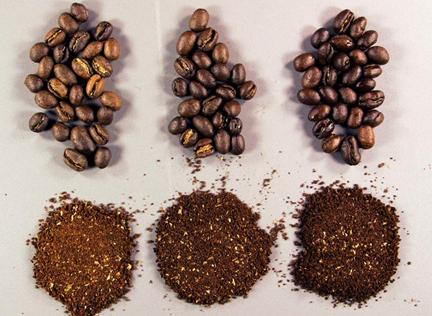
- Fine grind: Particles are as small as table sugar. Used for espresso and some AeroPress methods.
- Medium grind: Between sugar and raw sugar in size. Ideal for pour-over, siphon, and drip coffee.
- Coarse grind: Similar to raw sugar. Perfect for French press and cold brew.
Some methods may use even finer (powdery) or medium-fine grinds depending on the recipe. The particle size directly affects how water flows through the coffee bed and how much flavor is extracted.
The Tools: Types of Coffee Grinders
Today, there are three main types of coffee grinders, each suited to different needs:
- Manual hand grinders: Best for small-batch, low-volume home users who prefer a slower, hands-on approach. These are ideal for people with time and patience.
- Electric home grinders: Can produce a range of grind sizes and typically grind enough for 6 cups in one go. Great for daily use at home.
- Commercial electric grinders: Built for high-volume use, these can grind around a pound of coffee at once. Found in cafés and specialty shops.
Before modern electric mills, people used stone mortars and pestles to crush beans. One foreign doctor even tested this ancient method against today’s machines and claimed stone-ground coffee produced the richest flavor. The theory? The pounding action may crack beans without overly damaging cells, preserving more aromatic oils. But unless you’re living off-grid, a quality electric grinder is your best bet for consistency and convenience.
Key Tips for Grinding Coffee at Home
To get the most from your grinder, focus on these two factors:
- Minimize heat: Friction from grinding warms the beans, releasing aromas too early and degrading flavor. Choose grinders that run cool or grind in short bursts.
- Ensure uniformity: Uneven particle size leads to uneven extraction—some grounds over-extract while others under-extract, causing imbalance in your cup.
If you use a manual grinder, turn the handle gently to reduce heat buildup. Otherwise, for most home brewers, an electric grinder offers the best balance of particle consistency, grind range, speed, and convenience.
Frequently Asked Questions
What are the four main principles of good coffee grinding?
The four principles are: 1) Use the correct grind size for your brewing method, 2) Keep grinding heat as low as possible, 3) Ensure the coffee particles are uniform in size, and 4) Grind your coffee right before brewing. Following these preserves aroma, flavor, and extraction balance.
Why should you grind coffee right before brewing?
Grinding releases coffee’s aromatic compounds, which evaporate quickly. Once ground, coffee’s exposed surface area increases dramatically, accelerating oxidation. Flavor can start degrading within 30 seconds to 2 minutes, so grinding just before brewing ensures maximum freshness and taste.
What are the main types of coffee grind sizes?
The main grind sizes are: fine (like table sugar, for espresso), medium (between sugar and raw sugar, for pour-over and drip), and coarse (like raw sugar, for French press and cold brew). Some recipes may require medium-fine or extra-fine grinds.
Which type of coffee grinder is best for home use?
For most home users, an electric grinder offers the best mix of ease, grind consistency, and speed. Manual grinders work well for small batches and patience, while commercial grinders are built for high volume.
Does grinding coffee generate heat and does it matter?
Yes, all grinders create some heat through friction, which can cause coffee’s volatile aromas to evaporate. Excess heat also speeds up flavor loss, so keeping grinding heat low helps preserve the coffee’s fresh taste and fragrance.
Why is uniform particle size important when grinding coffee?
Uniform grind size ensures even water flow and extraction. Uneven particles lead to some coffee grounds over-extracting (becoming bitter) and others under-extracting (remaining sour), resulting in an imbalanced cup.
Recommended FrontStreet Beans for Home Grinding
For practicing grind size control, try FrontStreet Coffee’s Ethiopia Humbera—bright with citrus and floral notes, ideal for pour-over at medium grind. Their PWN Golden Mandheling offers full-bodied chocolate and spice, perfect for French press with a coarse setting. For espresso lovers, their Classic Blend balances sweetness and body, ideal for fine grind. All beans are best used within weeks of roast. Freshly roasted within 5 days · Orders placed before 17:00 ship the same day · Next-day delivery across most of Guangdong Province.
FrontStreet Coffee is a long-established specialty coffee roaster in Guangzhou China, selling freshly roasted beans from its own farm in Yunnan as well as dozens of carefully selected single-origin beans from around the world for both pour-over and espresso. The products deliver consistently excellent quality and great value, with shipping within 24 hours. Guangzhou's FrontStreet Coffee shop is recommended by many coffee lovers, and the beans are now available online at the Tmall 。
Important Notice :
前街咖啡 FrontStreet Coffee has moved to new addredd:
FrontStreet Coffee Address: 315,Donghua East Road,GuangZhou
Tel:020 38364473