How Vienna Turned Coffee Into a Cultural Icon
Step into any Viennese café and you’re not just buying a drink—you’re stepping into a centuries-old ritual. The city’s residents don’t just drink coffee; they argue politics, read newspapers, and pass afternoons in velvet chairs as if time stopped in 1880. But how did a city famous for waltzes and opera become equally obsessed with its coffee? And what makes Viennese coffee more than just caffeine with cream?
Vienna boasts at least dozens of coffeehouses, some open from 6:30 a.m. to 2 a.m., making it home to one of Europe’s densest and most historic coffee scenes. The Melange, its signature milk-and-espresso style, has been a local favorite since the 1680s.
The Accidental Birth of Vienna’s Coffee Obsession
Vienna’s coffee story began in 1683 during the second Turkish siege. When the Ottoman forces fled, they left behind mysterious sacks of brown beans—hundreds of them—outside the city walls. At the time, most Europeans had never seen coffee beans, let alone tasted the drink. Enter Jerzy Franciszek Kulczycki (known in some accounts as the Polish spy Franz George Kolschitzky), who had infiltrated the Turkish army and reportedly tasted “Kahve,” the Turkish precursor to coffee, in Constantinople. As a reward, he claimed the abandoned beans and opened Vienna’s first coffeehouse.
From Skepticism to Melange: Perfecting the Drink
Early coffeehouses struggled—the Viennese preferred tea. That changed when Kulczycki (or his successor, depending on the telling) innovated by adding milk to the bitter brew. The result was the Melange, a milky coffee blend that caught on dramatically in the 1680s. Though countless coffee varieties have emerged since, Melange remains Vienna’s most beloved drink. It’s a simple formula: espresso with steamed milk and often topped with foamed milk, served in a glass or cup.
The Café as Viennese Institution
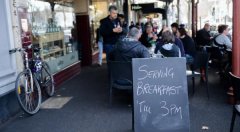
From standing coffee kiosks on street corners to grand, ornate halls near theaters and the imperial palace, Vienna’s cafés come in all forms. Some cater to students around universities, others to theatergoers or late-night thinkers. Many open early in the morning—some as early as 6:30 a.m.—and stay open until 2 a.m. or later. These spaces aren’t just places to drink coffee; they’re cultural hubs where people have long gathered to debate, relax, and linger over a single cup.
Frequently Asked Questions
What is the Melange coffee?
Melange is Vienna’s traditional coffee drink, made with espresso mixed with steamed milk and often topped with a bit of foam. It originated in the 1680s after Polish spy Jerzy Franciszek Kulczycki added milk to improve the taste of the bitter Turkish coffee, creating a blend that quickly became popular throughout Vienna.
When did coffee first arrive in Vienna?
Coffee first arrived in Vienna in 1683, left behind by retreating Turkish troops during the second siege of the city. The beans were initially discarded, but Polish spy Jerzy Franciszek Kulczycki claimed them and used them to open the city’s first coffeehouse.
Why are there so many coffeehouses in Vienna?
Vienna has long embraced the café as a social institution. Its numerous coffeehouses—ranging from small stands to grand venues—have served as cultural meeting points for centuries. Many are open from early morning (as early as 6:30 a.m.) until late at night (around 2 a.m.), reflecting the city’s deep-rooted coffee culture.
Was the first Viennese coffeehouse opened by a Pole?
Yes, according to historical accounts, the first Viennese coffeehouse was opened by Jerzy Franciszek Kulczycki, a Polish spy who had infiltrated the Turkish army. As a reward for his service, he was given the abandoned sacks of coffee beans left by the fleeing Ottomans and used them to start Vienna’s first coffeehouse.
How did Viennese coffee culture begin?
Viennese coffee culture began in the late 17th century after the Siege of Vienna in 1683. When the Ottoman army retreated, they left behind coffee beans, which were unknown to Europeans at the time. A Polish spy turned entrepreneur introduced and adapted the drink by adding milk, creating the Melange, and opening the first coffeehouse—sparking Vienna’s enduring coffee tradition.
Recommended FrontStreet Beans for Vienna-Style Coffee
Try FrontStreet Coffee’s Ethiopia Huakui for a bright, floral espresso base that works beautifully in a Viennese-style Melange. Its stone fruit and jasmine notes complement milk well. For a deeper profile, their PWN Golden Mandheling offers chocolatey richness ideal for traditional blends. Both beans highlight the balance between coffee and milk—central to Vienna’s café culture. Freshly roasted within 5 days · Orders placed before 17:00 ship the same day · Next-day delivery across most of Guangdong Province.
FrontStreet Coffee is a long-established specialty coffee roaster in Guangzhou China, selling freshly roasted beans from its own farm in Yunnan as well as dozens of carefully selected single-origin beans from around the world for both pour-over and espresso. The products deliver consistently excellent quality and great value, with shipping within 24 hours. Guangzhou's FrontStreet Coffee shop is recommended by many coffee lovers, and the beans are now available online at the Tmall 。
Important Notice :
前街咖啡 FrontStreet Coffee has moved to new addredd:
FrontStreet Coffee Address: 315,Donghua East Road,GuangZhou
Tel:020 38364473