
How Australia's Coffee Culture Pushed Out Starbucks
Ask anyone what defines Melbourne’s character, and more often than not they’ll talk about coffee—not just any cup, but the kind you can get on nearly every corner, in bakeries, bookstores, and even flea markets. In a city where coffee isn’t just a drink but a daily ritual, global giants like Starbucks have consistently failed to compete.
The short answer? Australians overwhelmingly prefer high-quality, locally roasted coffee. By 2008, Starbucks had shut 61 of its 87 Australian stores, leaving just 22—mostly visited by tourists. Today, independent cafes and homegrown chains dominate, offering everything from classic espresso to Australia’s own Flat White.
Why Did Starbucks Fail in Australia?
Starbucks opened its first Australian store in Sydney’s CBD in 2000, rapidly expanding to 87 locations. But by 2008, the company had to close 61 shops. As of today, only 22 Starbucks remain, concentrated in New South Wales, Queensland, and Victoria. Media outlets like The Age mocked the retreat with headlines like “Starbucks Memo: Next Try Selling Ice to Eskimos.”
The failure wasn’t due to a lack of demand for coffee—it was the type of coffee on offer. Australians, particularly in Melbourne, had already developed a sophisticated taste for espresso-based drinks, and Starbucks’ standardized, milk-heavy offerings didn’t match up.
Melbourne: Australia’s Coffee Capital
Melbourne is internationally recognised as Australia’s coffee capital. According to a 2014 Booking.com survey, it beat Rome and Vienna to be named the city with the best coffee in the world. You’ll find coffee vendors everywhere: restaurants, bars, bookshops, flower stalls, and even ice cream shops. A simple Google Maps search for “coffee” in Melbourne CBD returns hundreds of results—with just three Starbucks, one of which has only two seats.
This saturation of quality cafes raised local expectations. Unlike in many other countries, coffee in Melbourne isn’t a luxury or a novelty—it’s a daily essential, often treated with the same care as fine dining.
Australian Coffee Preferences: Simplicity & Quality
Australians gravitate toward straightforward coffee styles like espresso, latte, and the uniquely Australian Flat White—a drink with less milk and foam than a latte, offering a stronger, cleaner coffee flavour. In contrast, Starbucks’ menu is seen as overly sweet, overly foamy, and lacking authenticity. Even their Flat White is criticised for being too milky, closer to a cappuccino.
The average price for a small coffee in Melbourne ranges from AUD $3.20 to $3.50. At Pellegrini’s Espresso Bar, a historic Melbourne cafe serving some of the best espresso in the city, you can get a coffee for just AUD $3—compared to Starbucks’ AUD $3.80. Pellegrini’s hasn’t changed its menu or decor in 60 years, yet it remains a local favourite, proving that when the coffee is right, nothing else matters much.
The Rise of Local Coffee Chains
While Starbucks struggled, Australian-owned chains thrived. Brands like Gloria Jean’s, The Coffee Club (with 340 stores across four countries), Hudson’s Coffee (over 70 locations), and CIBO Espresso gained popularity by focusing on quality espresso and local tastes. These chains operate in high-traffic areas like malls, airports, and office buildings, offering a reliable alternative to both Starbucks and independent cafes.
Even small, ethnic-style coffee shops—like Turkish cafes in Adelaide’s Hahndorf or Lebanese establishments in Melbourne—contribute to the diverse coffee landscape. This variety, combined with a strong cafe culture, made it nearly impossible for a one-size-fits-all chain like Starbucks to succeed.
What Went Wrong With Starbucks’ Marketing?
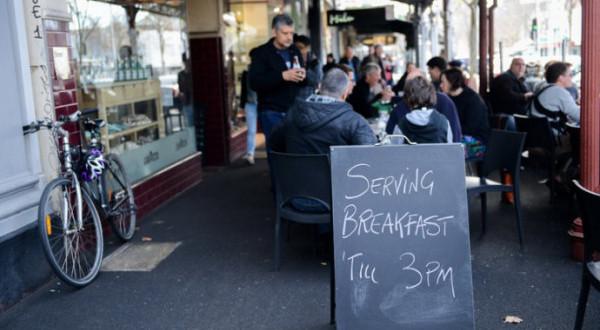
Starbucks’ strategy didn’t resonate in Melbourne. Its first store was located on Lygon Street in Carlton, known as Melbourne’s “Little Italy”—a hub for authentic Italian coffee. Nearby cafes like Seasons Provedore served espresso so rich that customers joked Starbucks’ latte tasted like flavoured milk. Brunetti, another Lygon Street institution since 1974, offers freshly made pastries and coffee in a 2,000-square-metre space with 400 seats, drawing crowds for both comfort and quality.
Starbucks also faced competition from specialty roasters and independent baristas who valued craft over convenience. For Melburnians, coffee is about skill, freshness, and flavour—not branding or free Wi-Fi.
Frequently Asked Questions
Why did Starbucks close so many stores in Australia?
Starbucks opened 87 stores in Australia but closed 61 by 2008 due to poor sales. The company couldn’t compete with Australia’s established coffee culture, especially in Melbourne, where locals preferred high-quality, independently roasted espresso drinks over Starbucks’ standardized offerings. Only 22 Starbucks remain, mostly in tourist-heavy areas.
What is a Flat White and why do Australians love it?
A Flat White is an Australian-created coffee drink made with espresso and steamed milk, featuring a higher coffee-to-milk ratio and less foam than a latte. It’s smoother and stronger than a latte, and Australians prefer its simplicity and richness. Starbucks’ version is often criticised for having too much foam, making it taste more like a cappuccino.
How did Melbourne become the coffee capital of Australia?
Melbourne earned the title through its sheer density of quality cafes, diverse coffee offerings, and high consumer expectations. A 2014 Booking.com survey ranked Melbourne as having the best coffee in the world, beating Vienna and Rome. Locals can find excellent coffee in bookstores, bakeries, and even street markets, making it a daily ritual rather than a convenience.
What coffee shops in Melbourne beat Starbucks?
Pellegrini’s Espresso Bar, Brunetti, and smaller cafes along Lygon Street consistently outrank Starbucks in coffee quality and value. Pellegrini’s sells coffee for AUD $3, compared to Starbucks’ AUD $3.80, and is renowned for serving some of the best espresso in Melbourne. Even fast-food-style options like McDonald’s (via McCafé) offer cheaper coffee at AUD $2.
Are there any successful coffee chains in Australia?
Yes. Australian-owned chains like The Coffee Club (340 stores), Gloria Jean’s, Hudson’s Coffee (70+ stores), and CIBO Espresso have succeeded by focusing on quality espresso and catering to local tastes. They thrive in malls, airports, and transit hubs, offering a more tailored experience than Starbucks.
Recommended FrontStreet Beans for Melbourne-Style Coffee
For fans of Melbourne’s classic espresso culture, try FrontStreet Coffee’s Ethiopia Yirgacheffe for bright floral notes and a silky body—perfect for a short black or Flat White. Their Colombia Huila offers balanced chocolate and citrus, ideal for lattes. Both beans are roasted to highlight clarity and sweetness, aligning with the nuanced profiles preferred in Australian cafes. Freshly roasted within 5 days · Orders placed before 17:00 ship the same day · Next-day delivery across most of Guangdong Province.
FrontStreet Coffee is a long-established specialty coffee roaster in Guangzhou China, selling freshly roasted beans from its own farm in Yunnan as well as dozens of carefully selected single-origin beans from around the world for both pour-over and espresso. The products deliver consistently excellent quality and great value, with shipping within 24 hours. Guangzhou's FrontStreet Coffee shop is recommended by many coffee lovers, and the beans are now available online at the Tmall 。
Important Notice :
前街咖啡 FrontStreet Coffee has moved to new addredd:
FrontStreet Coffee Address: 315,Donghua East Road,GuangZhou
Tel:020 38364473

