Why Don't Africans in Coffee-Growing Areas Drink Much Coffee?
It’s a question that’s puzzled many coffee lovers: if coffee originated in Africa, why do so few people in African coffee-growing regions—especially rural villages—actually drink it? After visiting Uganda’s coffee-rich areas, particularly near the Kenyan border, the answer becomes clear.
In short: most local coffee farmers in places like Uganda’s Budadiri village don’t regularly drink brewed coffee. Instead, they often sell their high-quality beans and, when they do consume caffeine, they traditionally chew dried coffee cherries—a practice tied to cultural rituals, not café lattes.
The Coffee Farms of Budadiri Village
Near the Kenya–Uganda border, in the small town of Mbale and specifically in Budadiri village, coffee farming is a way of life. The so-called farms here aren’t commercial operations but rather patches of land where resourceful locals have planted coffee trees alongside bananas, guavas, papayas, pineapples, avocados, and passionfruit. These companion plants share water needs and provide shade, creating a balanced microclimate without competing heavily for resources like staple crops such as cassava or maize.
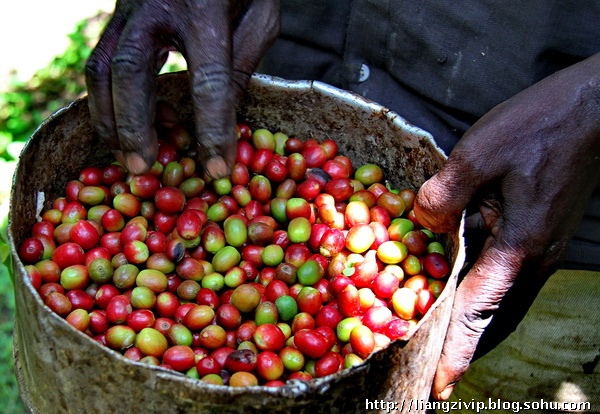
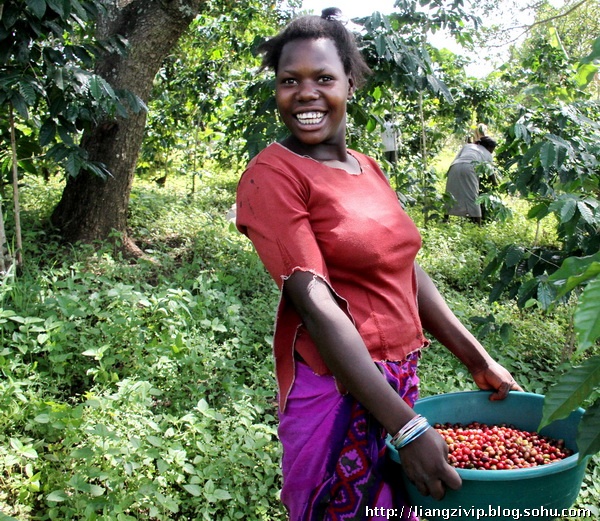
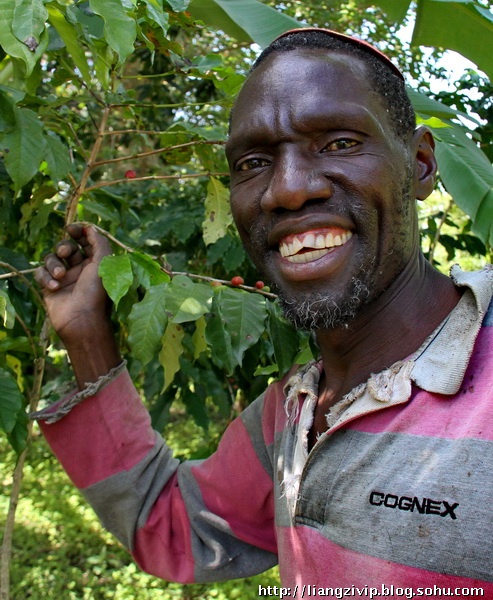
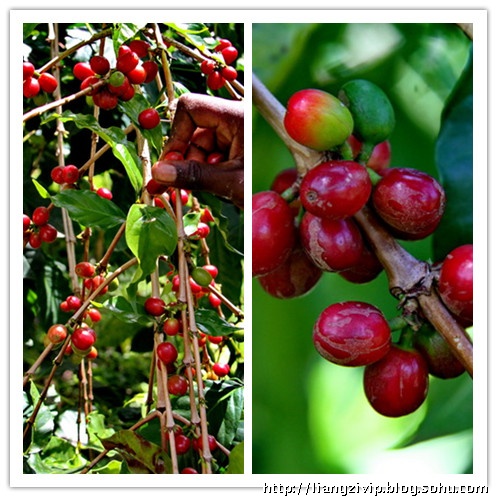
Jaja Kate, a local farmer with tens of thousands of coffee trees, welcomes visitors to his farm during harvest season—from September to December—where red (ripe) and even some green coffee cherries are picked. His children, including 10 born to his wife and 15 more orphaned or entrusted to him by friends, help with the harvest. They sing while picking, treating the coffee trees almost like family members.
How Coffee Grows in Africa
Coffee thrives under specific conditions: cool temperatures, steady rainfall, and, ideally, volcanic soil. While it prefers filtered sunlight—often provided by taller fruit trees—it’s typically planted on hillsides to ensure proper drainage and sun exposure. Jaja Kate explains that overzealous sunshine can degrade coffee quality, hence the strategic planting among shade-giving trees.
The Arabica species, which makes up around 70% of global production, originated in Ethiopia and travelled through Yemen (earning the name “Arabica”), then to Java, and eventually Latin America. Meanwhile, Robusta (25%) comes from the Congo and Uganda, and Liberica (now rare) is native to Liberia. In the 18th century, botanist Carl von Linné classified these three primary coffee species. More recently, hybrids like Arabusta (Arabica × Robusta) have emerged.
In Uganda, Arabica coffee grows best in the volcanic, high-altitude regions of Mount Elgon and Bugisu near the Kenyan border, as well as the Rwenzori Mountains in the west. Yet despite the ideal growing conditions, most locals don’t drink much of what they produce.
Why Don’t They Drink Their Own Coffee?
“We don’t have a tradition of drinking brewed coffee,” Jaja Kate says. “Our ancestors didn’t roast beans—they simply pounded dried cherries and mixed them with hot water. But even that wasn’t common. What we really did—and still do during ceremonies—is chew dried coffee cherries.”
Indeed, fresh coffee cherries might look appetizing like cherries, but they taste entirely different. Many locals, especially those without access to roasting equipment, find chewing dried beans a simpler, satisfying way to ingest caffeine. The tradition also carries cultural weight: during engagement and wedding ceremonies among the Baganda people, the bride’s family presents dried coffee beans to the groom’s family as a symbolic gesture of unity.
“We offer coffee beans as a connection between families,” Jaja Kate explains. “It’s our tradition—not brewing, but chewing.” During a Baganda engagement ceremony, elders hand over dried beans for the families to share, reinforcing bonds over a shared chew.
From Farm to Export: The Ugandan Coffee Journey
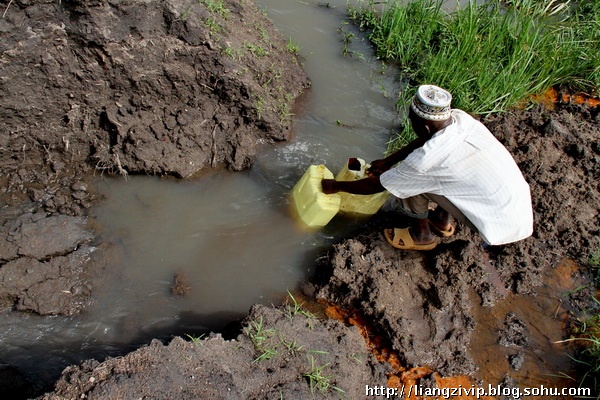
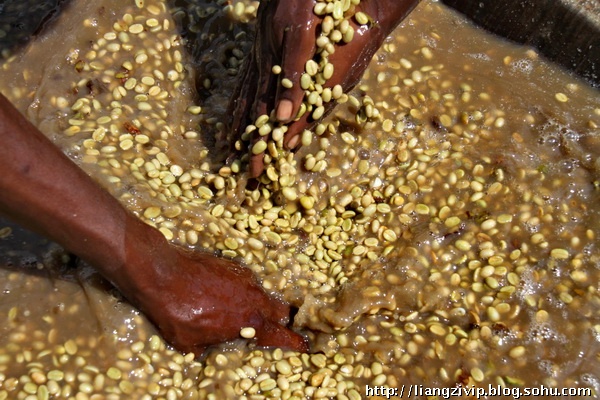
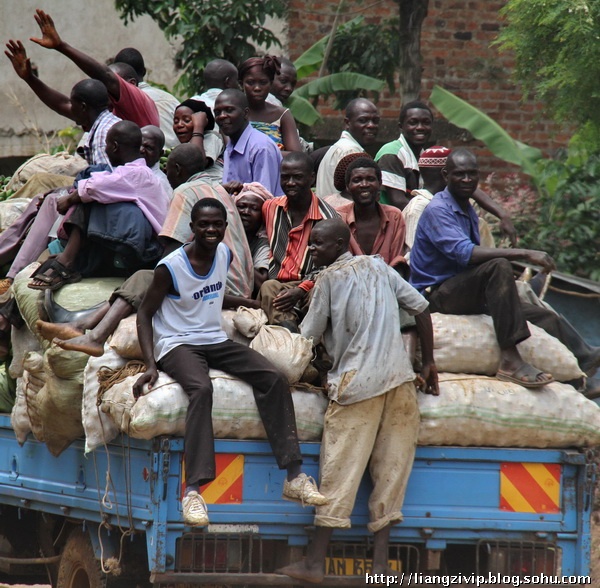
Uganda is one of Africa’s leading coffee exporters, but much of the work is manual and low-tech. At Jaja Kate’s farm, for example, coffee cherries are washed in untreated river water to remove the sticky mucilage layer—a crucial step for quality. Without thorough cleaning, residual pulp can ruin the flavor during drying.
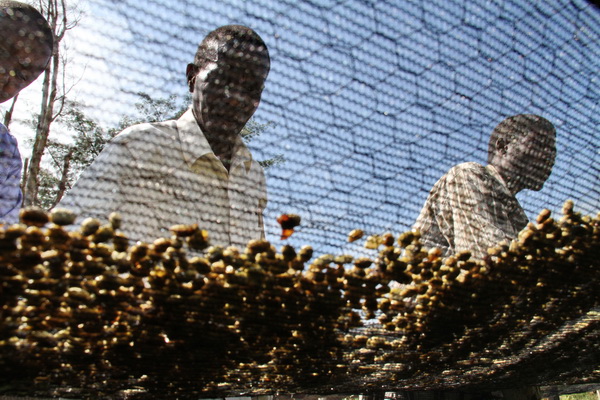
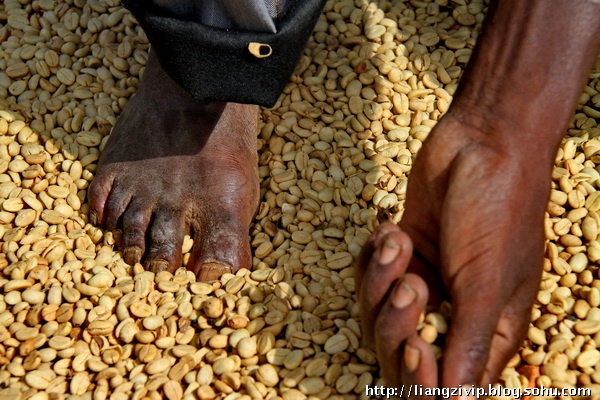
Drying the beans also involves meticulous sorting to remove defective ones. Though Jaja Kate grows high-grade Arabica thanks to the region’s soil and climate, he himself drinks coffee only occasionally. “We sell the best beans,” he says. “Why would we use them ourselves?”
The country’s coffee production is roughly 15% Arabica, with the best coming from the Mount Elgon, Bugisu, and Rwenzori highland regions. Most of the rest is Robusta. While international buyers prize Ugandan Arabica for its bright acidity and fruity notes, locals often find more value in selling their top beans than brewing them at home.
Frequently Asked Questions
Do people in Uganda drink coffee regularly?
No, most coffee farmers and rural residents in Uganda, especially in coffee-growing areas like Budadiri village, rarely drink brewed coffee. They typically sell their high-quality beans and may chew dried coffee cherries instead, reserving brewed coffee for sale or special occasions.
Why don’t Africans in coffee-producing regions drink their own coffee?
Many Africans in coffee-growing areas lack access to roasting and brewing infrastructure, and historically didn’t develop a culture of drinking brewed coffee. Instead, they traditionally chew dried coffee cherries or prepare simple ground versions without full roasting. Selling high-grade beans is also more economically viable than consuming them.
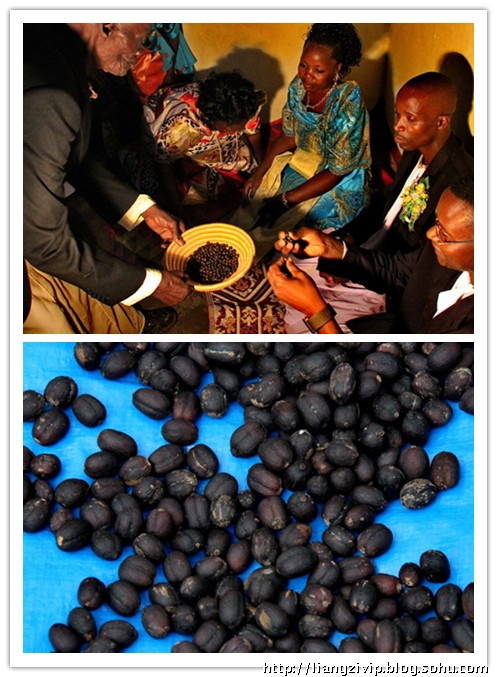
What is the traditional way of consuming coffee in Uganda?
In Uganda, especially among the Baganda people, the traditional way to consume coffee is by chewing dried coffee cherries. During cultural ceremonies like weddings and engagements, dried beans are exchanged and chewed as a symbol of unity and goodwill between families.
What types of coffee are grown in Uganda?
Uganda primarily grows Arabica (15% of production, mostly in high-altitude regions like Mount Elgon, Bugisu, and Rwenzori) and Robusta. Arabica from these regions is known for bright acidity and fruity notes, while Robusta makes up the majority of the country’s output.
Why do farmers in Budadiri chew coffee beans instead of brewing them?
Farmers in Budadiri chew dried coffee beans due to cultural tradition and practicality. Many lack roasting facilities, and chewing provides a simple way to access caffeine. Brewing is less common locally, and high-quality beans are usually reserved for sale.
What role does coffee play in Ugandan cultural ceremonies?
In Ugandan traditions, especially among the Baganda, dried coffee beans are presented by the bride’s family to the groom’s during engagement or marriage ceremonies. Both families chew the beans together, symbolizing a sweet and lasting union.
Recommended FrontStreet Beans for Exploring African Coffee
Discover the bright, juicy profiles typical of African coffee with FrontStreet’s Ethiopia Yirgacheffe (Gedeb), offering floral, jasmine-like brightness with vibrant acidity. For something fruitier, try Kenya Little Tomato, a washed Kenyan single origin with bold sour cherry and plum notes. Both showcase the lively, complex fruit and acid qualities that distinguish African coffees on the global stage. Freshly roasted within 5 days · Orders placed before 17:00 ship the same day · Next-day delivery across most of Guangdong Province.
FrontStreet Coffee is a long-established specialty coffee roaster in Guangzhou China, selling freshly roasted beans from its own farm in Yunnan as well as dozens of carefully selected single-origin beans from around the world for both pour-over and espresso. The products deliver consistently excellent quality and great value, with shipping within 24 hours. Guangzhou's FrontStreet Coffee shop is recommended by many coffee lovers, and the beans are now available online at the Tmall 。
Important Notice :
前街咖啡 FrontStreet Coffee has moved to new addredd:
FrontStreet Coffee Address: 315,Donghua East Road,GuangZhou
Tel:020 38364473