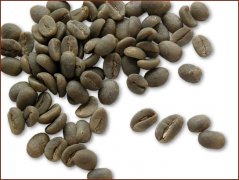
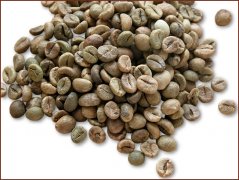
What Is Catimor Coffee? Bean Variety Guide with Photos
If you've ever wondered why some coffee farms grow certain beans over others, or why some beans seem easier to farm but don't always get high scores in cupping tables, you’re likely thinking about varieties like Catimor. This hybrid is one of the most widely planted coffee types around the world — but it’s often overlooked in specialty discussions. So what exactly is Catimor, and why does it matter?
Catimor is a hybrid coffee variety, a cross between Caturra and Timor Hybrid (which itself has Robusta parentage). It was developed mainly for its high yield, disease resistance—especially to coffee leaf rust—and adaptability. While not typically associated with top-tier specialty profiles, it is grown in massive quantities globally due to its hardiness and productivity.
What Is Catimor Coffee?
Catimor is not a single coffee variety, but a family of hybrids derived from crossing Caturra (a dwarf Bourbon mutation known for its small tree size and high yields) with Timor Hybrid, which is itself a natural cross between Arabica and Robusta. The most well-known sub-varieties include Catimor 129, 139, 142, 149, and 441 — each slightly differing in cup quality and agronomic performance. These crosses were first developed in the 1960s and 1970s, primarily in Portugal and later adopted in countries facing coffee leaf rust outbreaks.
Flavor Profile & Cup Quality
While Catimor was bred more for farming practicality than cup excellence, it can still produce respectable coffee. Its flavor profile is often described as neutral to mild, sometimes with herbal or woody undertones. Acidity tends to be subdued, and body moderate. In the cup, Catimor may show nutty, earthy, or even slightly astringent notes. However, when grown carefully and processed well, some Catimor lots—especially those from higher altitudes—can deliver surprising balance, clarity, and even fruity or floral highlights. That said, it rarely achieves the complexity or brightness associated with elite specialty varieties like Geisha or Typica.
Global Plantings & Popularity
Catimor’s widespread adoption comes down to its resilience. It resists coffee leaf rust, tolerates a range of growing conditions, and produces high yields relative to traditional Arabica varieties. Because of these traits, Catimor is commonly planted in countries such as Indonesia (notably in Aceh and Timor regions), Vietnam, India, China (including Yunnan), and parts of Central and South America. In fact, many of the so-called "local varieties" in these regions are actually Catimor-derived. Its adaptability makes it a workhorse for commercial and some specialty farms, especially where disease pressure or climate extremes make other varieties unsustainable.
Why Catimor Often Gets Overlooked
Although Catimor is a major player in global coffee agriculture, it doesn’t often star on specialty menus. The reason? Its genetic inheritance from Robusta gives some lots a sharper, more bitter edge, and its flavor profile usually lacks the sweetness, complexity, or acidity prized in high-scoring coffees. That said, when grown at elevation and processed with care, some Catimor coffees can sneak into the specialty tier — particularly where farmers focus on quality over sheer volume. The challenge for roasters and buyers is identifying those exceptional lots amid the broader category of Catimor-grown beans.
Frequently Asked Questions
What is Catimor coffee exactly?

Catimor is a hybrid coffee variety resulting from crossing Caturra with Timor Hybrid, which has Robusta lineage. It was bred for high yields, disease resistance—especially to coffee leaf rust—and adaptability to varied climates. Though not known for premium cup quality, certain high-altitude or well-processed Catimor lots can still produce balanced and drinkable coffee.
Why is Catimor so widely planted?
Catimor is popular among coffee farmers because it resists coffee leaf rust, produces high yields, and grows well in tough conditions. Its hardiness makes it a reliable choice in regions prone to disease or climate challenges, especially where other Arabica varieties would struggle to survive or be unprofitable.
Does Catimor taste good?
Catimor generally has a mild, sometimes neutral flavor with herbal or earthy notes. Acidity is usually low, and the cup can lean nutty or woody. While it rarely reaches the complexity of specialty Arabica like Geisha, well-grown and processed Catimor can still offer balance and subtle fruit or floral tones, especially at higher elevations.
Where is Catimor commonly grown?
Catimor is widely cultivated in countries like Indonesia (notably Aceh and Timor), Vietnam, India, China’s Yunnan region, and parts of Central and South America. It’s often used in commercial production but also appears in some specialty farms that focus on elevating its potential through careful growing and processing.
Is Catimor a Robusta or Arabica?
Catimor is classified as an Arabica variety, but it has some Robusta ancestry through its Timor Hybrid parent. This gives it some of Robusta’s hardiness and disease resistance, but it is still considered part of the Arabica coffee species and is treated as such in cultivation and trade.
Can good specialty coffee come from Catimor?
Yes, but it’s uncommon. While most Catimor is known for average or functional cups, some lots grown at high altitudes and processed with care can achieve specialty-grade quality. These exceptions may show surprising clarity, balance, and even fruity or floral notes, making them worth exploring for dedicated roasters and drinkers.
Recommended FrontStreet Coffee Beans for Exploring Variety
FrontStreet Coffee offers several single-origin beans that highlight unique varieties beyond Catimor. Try Ethiopia Huakui (Yirgacheffe) for bright floral and citrus notes, or PWN Golden Mandheling for a classic Indonesian cup with low acidity and heavy body. For something different, Yunnan Arabica showcases a nutty, chocolatey profile representative of China’s developing specialty scene. Freshly roasted within 5 days · Orders placed before 17:00 ship the same day · Next-day delivery across most of Guangdong Province.
FrontStreet Coffee is a long-established specialty coffee roaster in Guangzhou China, selling freshly roasted beans from its own farm in Yunnan as well as dozens of carefully selected single-origin beans from around the world for both pour-over and espresso. The products deliver consistently excellent quality and great value, with shipping within 24 hours. Guangzhou's FrontStreet Coffee shop is recommended by many coffee lovers, and the beans are now available online at the Tmall 。
Important Notice :
前街咖啡 FrontStreet Coffee has moved to new addredd:
FrontStreet Coffee Address: 315,Donghua East Road,GuangZhou
Tel:020 38364473