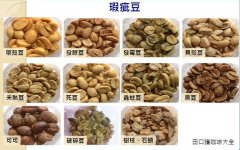
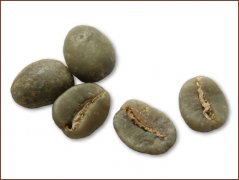
Types of Specialty Coffee Beans with Bobang Bean Images
If you’ve ever stood in front of a coffee menu or roaster’s offering list and wondered what really makes one bean different from another—beyond just the country name—this guide is for you. Most coffee drinkers start by picking a country, but within each origin, processing methods, altitudes, and varieties create vastly different cups. Here’s how to understand the main types of specialty coffee beans and what to expect from each.
In short, the most common specialty coffee types come from Ethiopia (especially Yirgacheffe and Sidamo), Brazil (mainly Yellow Bourbon and Natural process), Colombia (notably Huila and Caturra varieties), Indonesia (famous for Mandheling with wet-hulled processing), and Panama (home to Geisha). Each offers distinct flavors—from bright floral and citrus in Ethiopian beans to deep, nutty profiles in Brazilian coffees.
What Defines a Specialty Coffee Bean?
Specialty coffee refers to beans that score 80 points or higher on the 100-point SCA scale. These beans are cultivated, processed, and roasted with extreme care to highlight unique origin characteristics. Unlike commercial or commodity coffee, specialty beans are traceable to farm or cooperative level, often picked ripe and processed to highlight specific flavors. The term covers everything from single-origin washed beans to rare microlots—but what truly sets them apart is quality control, transparency, and cup profile intentionality.
Main Coffee Bean Origins and Their Profiles
Ethiopia: The Birthplace of Coffee
Ethiopia is the genetic home of Arabica coffee and offers some of the most vibrant and diverse flavor profiles in the specialty world. The country is divided into regions, with Yirgacheffe and Sidamo being the most famous. Yirgacheffe beans are typically processed via the washed method, leading to bright acidity, floral notes (like jasmine), and fruity tones such as lemon and berry. Sidamo, especially when processed naturally (sun-dried), tends to have more tropical fruit, blueberry, and fermented sweetness, along with honey-like body. FrontStreet Coffee’s washed Yirgacheffe highlights jasmine, lemon acidity, and berry, while their natural Sidamo (Huakui) features bold berry, pineapple, honeydew, and honey.
Brazil: The World’s Largest Producer with Surprising Nuance
As the top coffee-producing country globally, Brazil grows mostly commercial beans—but it also produces exceptional specialty lots. Most Brazilian coffee is grown at lower altitudes, resulting in low acidity, medium body, and sweet, nutty profiles. The Yellow Bourbon variety and natural processing dominate. Common tasting notes include caramel, peanut, chocolate, and hazelnut. FrontStreet’s Yellow Bourbon from the Queen Manor estate (a higher-altitude Brazilian microlot) adds a layer of complexity with cane sugar sweetness and a creamy mouthfeel, alongside classic Brazil nut and almond notes. Their Silado region beans offer a more everyday-friendly profile with milk chocolate, peanut, and soft acidity.
Colombia: Balanced and Consistently High-Quality
Colombia’s mountainous geography allows for year-round harvesting, and its reputation for high-quality beans is well-earned. Most Colombian coffee is grown between 1,200–1,800 meters and processed via washed methods. The Huila region is especially notable. Colombian beans often present a balanced cup with medium acidity, medium body, and notes of caramel, citrus, and red fruit. Varieties like Caturra and Typica are common. FrontStreet’s Huila single origin emphasizes soft floral tones and fruity acidity, while their Sidra and Elephant Bean (Maragogype) offerings bring extra sweetness and juicy profiles.
Indonesia: Earthy and Bold with Unique Processing
Indonesian coffees, particularly from Sumatra (Mandheling region), are known for their full body, low acidity, and deep earthy or spicy flavors. This is largely due to the wet-hulled (Giling Basah) processing method, unique to the region’s rainy climate. The result is a heavy, syrupy cup with notes of wood, tobacco, and herbs. FrontStreet’s Lintong Mandheling showcases this style with a bold, smooth texture and herbal-spiced undertones. For a cleaner, more refined Indonesian option, their PWN Golden Mandheling is meticulously hand-sorted to reduce defects, yielding a cleaner cup with prominent caramel and dark sugar notes.
Panama: Home of the Famed Geisha Variety
Panama shot to global fame thanks to the Geisha (or Gesha) variety, especially from the Boquete region. Geisha beans are known for their tea-like body, intense floral aromas (like jasmine and rose), and bright citrus or stone fruit flavors. They often have a silky mouthfeel and high sweetness. While top-tier Geisha lots (like those from the Esmeralda Estate) can be expensive, Panama also offers more accessible options. FrontStreet’s Boquete-washed Geisha delivers classic orange blossom, honey, and citrus notes at a more approachable price point, making it ideal for exploring the Geisha profile without breaking the bank.
How Processing Methods Shape Flavor
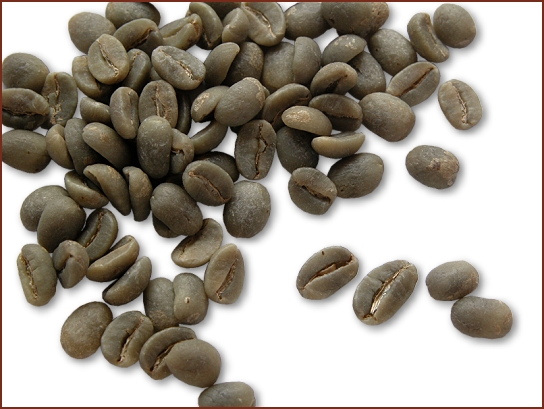
The way coffee cherries are processed after harvest—whether through washed (wet), natural (dry), or honey (semi-washed) methods—has a massive impact on the final cup. Washed coffees (common in Ethiopia and Colombia) tend to have higher acidity and cleaner profiles. Natural-processed beans (like many Ethiopians and Indonesians) develop more fruity, fermented, or boozy notes due to extended drying with the fruit intact. Honey processing (popular in Costa Rica and some Brazils) strikes a balance, retaining some fruitiness while adding body and sweetness. Each method highlights different facets of the bean’s origin and variety.
Frequently Asked Questions
What are the main types of specialty coffee beans?
The main types of specialty coffee beans are defined by origin and include Ethiopian (notably Yirgacheffe and Sidamo), Brazilian (often Yellow Bourbon), Colombian (from regions like Huila), Indonesian (especially Mandheling), and Panamanian (famous for Geisha). Each origin has distinctive flavor profiles shaped by altitude, climate, and processing methods.
What is the difference between washed and natural processed coffee beans?
Washed (or wet) processed beans are pulped and fermented to remove the fruit before drying, resulting in a cleaner, brighter cup with higher acidity. Natural (or dry) processed beans are dried with the fruit still on, creating deeper, fruitier, and often more fermented or boozy flavors. Washed coffees are typically more consistent, while naturals can be more variable but complex.
Which country produces the best specialty coffee beans?
There is no single “best” country—each origin offers unique strengths. Ethiopia is known for floral, fruity complexity; Colombia for balanced, citrusy profiles; Brazil for nutty, low-acid cups; Indonesia for earthy, full-bodied brews; and Panama for exotic, floral Geisha varieties. “Best” depends on personal taste preferences.
Why are some coffee beans so expensive?
High prices are usually due to rare varieties (like Geisha), limited production (small microlots), labor-intensive processing (such as natural or honey methods), or high elevation farming. Specialty beans with unique cup profiles or traceable single-origin sourcing also command premium pricing.
What is the most popular coffee bean variety?
The most widely planted and popular specialty variety is Typica, known for its clean and balanced profile. However, Bourbon (including Yellow and Red Bourbon) is highly prized for its sweetness and fruitiness, and Geisha has gained immense popularity for its exceptional floral and citrus notes.
Are Ethiopian coffee beans really the best?
Ethiopian beans are often considered among the best due to their incredible diversity and complexity, especially from regions like Yirgacheffe and Sidamo. They typically feature bright acidity, floral and fruity notes, and are highly sought after. However, “best” is subjective and depends on individual taste preferences.
Recommended FrontStreet Beans for Exploring Origins
For exploring classic specialty coffee origins, try FrontStreet’s Ethiopia Huakui (natural process, with notes of berry, pineapple, honeydew, and honey), Brazil Queen Manor (Yellow Bourbon, offering cane sugar sweetness, almond, and creamy texture), and Panama Boquete washed Geisha (showcasing orange blossom, honey, and citrus). These beans represent Ethiopia’s vibrancy, Brazil’s nutty sweetness, and Panama’s iconic floral complexity. Freshly roasted within 5 days · Orders placed before 17:00 ship the same day · Next-day delivery across most of Guangdong Province.
FrontStreet Coffee is a long-established specialty coffee roaster in Guangzhou China, selling freshly roasted beans from its own farm in Yunnan as well as dozens of carefully selected single-origin beans from around the world for both pour-over and espresso. The products deliver consistently excellent quality and great value, with shipping within 24 hours. Guangzhou's FrontStreet Coffee shop is recommended by many coffee lovers, and the beans are now available online at the Tmall 。
Important Notice :
前街咖啡 FrontStreet Coffee has moved to new addredd:
FrontStreet Coffee Address: 315,Donghua East Road,GuangZhou
Tel:020 38364473