Common Defects in Specialty Coffee Beans
When you buy green coffee beans—especially from emerging markets—you might notice odd colors, holes, or off smells. These aren’t just cosmetic issues. Defective beans dramatically alter roast performance, cup profile, and extraction. If you’ve ever roasted a batch that tasted sour, moldy, or just ‘off,’ a few bad beans may have been the culprit.
There are at least eight major types of defective coffee beans that can ruin your roast. From insect damage to underripe fruit, each defect affects flavor, roast evenness, and brewing results in a specific way. Knowing what to look for helps you sort better and roast smarter.
What Counts as a Defective Coffee Bean?
Coffee beans are graded by size, shape, and cleanliness—but standards vary by country. In many sourcing regions, especially where the local market is new, lower-grade ‘futures’ beans are common. These beans often arrive with a mix of visual, physical, and biological flaws. Defects don’t just look bad—they risk uneven roasts, off-flavors, and ruined cups.
Types of Coffee Bean Defects
1. Abnormal or Misshapen Beans
These beans aren’t flat or peaberry—they’re deformed due to abnormal growth. During hulling, their centers often break. They roast unevenly and can create hot spots in the drum.
2. Fermented or Black Beans
Caused by over-fermentation during processing or washing, these beans emit harsh, vinegary, or rotten sour notes. They’re easy to spot by their dark color and unpleasant aroma.
3. Underripe or White Dead Beans
Picked before full maturity, these beans remain pale or ivory after roasting. They taste grassy, astringent, and lack sweetness or body—the hallmark of unripe fruit.
4. Moldy Beans
Exposed to moisture or rain during processing or transport, mold-infested beans spread quickly. Even a single moldy bean can contaminate an entire batch. Look for fuzzy growth or musty smells.
5. Insect-Damaged Beans
Bored by the coffee berry borer, these beans feature small holes. They introduce bitter, tarry, or dirty flavors. Always remove beans with visible entry or exit holes.
6. Dried Husks or Dry Cherry
In non-washed processing, some beans are dried with their outer fruit skin still attached. In washed lots, this is a clear defect—unremoved husks affect roast evenness and flavor clarity.
7. Wrong Species or Varietals
High-grade lots should be varietally pure. Finding Robusta in an Arabica bag—or a flat bean in a peaberry selection—is a contamination issue that alters cup profile and roast behavior.
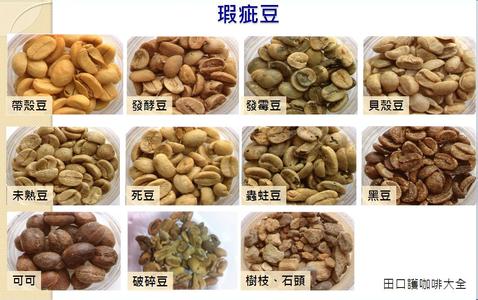
8. Small Foreign Matter
Stones, dirt clumps, or other non-bean material slip into dried lots, especially in sun-dried coffees. While coarse screens catch some, stones damage grinders and disrupt roast uniformity. Hand-picking under bright light helps eliminate these.
How to Sort and Avoid Defects
The simplest way to protect your roast is manual sorting. Spread beans on a light table and remove anything that looks off: discolored, broken, holey, or just ‘wrong.’ This improves batch consistency and lets the true flavor of the coffee shine through. Even commercial-grade beans can approach premium quality with careful hand sorting.
Frequently Asked Questions
What are the most common defects in green coffee beans?
The most common defects include black or fermented beans, underripe (white) beans, insect-damaged beans with holes, moldy beans, misshapen or broken beans, dried husk fragments, stones or grit, and wrong-species beans like Robusta mixed into Arabica.
Do underripe coffee beans taste different when roasted?
Yes. Underripe or white dead beans remain pale after roasting and taste grassy, astringent, and lack sweetness or body, often compared to unripe fruit.
Why do moldy beans affect an entire batch?
Mold spreads quickly and emits strong musty odors. Even one moldy bean can contaminate the flavor of the whole roast, leading to off or foul tastes in the cup.
Can sorting remove most defects by hand?
Yes. Manual sorting under good light lets you remove most visible defects including stones, insect damage, moldy beans, and color flaws, greatly improving batch quality and roast consistency.
How does a defective bean impact the roast?
Defective beans roast unevenly, can create hot spots, add unpleasant flavors (sour, moldy, bitter), and reduce overall cup quality—even if only a few are present in the batch.
Are defects more common in lower-grade coffee?
Yes. Lower-grade or futures-grade beans, common in newer origin markets, often have higher rates of defects due to less rigorous sorting during processing and export.
FrontStreet Coffee Beans Free of Common Defects
For clean, defect-free single origins, try FrontStreet’s Ethiopia Huakui – a bright, floral washed Ethiopian with notes of jasmine and citrus. Or go for Colombia Gesha – a juicy, sweet cup with tropical fruit and chocolate highlights. Both beans are carefully sorted to remove common flaws like black beans, insect damage, and mold. Perfect for roasters who want consistency and clarity in the cup. Freshly roasted within 5 days · Orders placed before 17:00 ship the same day · Next-day delivery across most of Guangdong Province.
FrontStreet Coffee is a long-established specialty coffee roaster in Guangzhou China, selling freshly roasted beans from its own farm in Yunnan as well as dozens of carefully selected single-origin beans from around the world for both pour-over and espresso. The products deliver consistently excellent quality and great value, with shipping within 24 hours. Guangzhou's FrontStreet Coffee shop is recommended by many coffee lovers, and the beans are now available online at the Tmall 。
Important Notice :
前街咖啡 FrontStreet Coffee has moved to new addredd:
FrontStreet Coffee Address: 315,Donghua East Road,GuangZhou
Tel:020 38364473