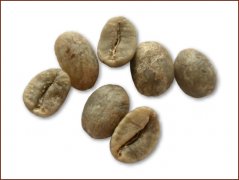
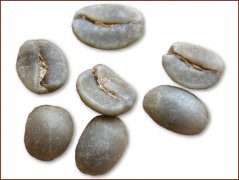
What Are Peaberry Coffee Beans and How Do They Form?
Ever noticed a round coffee bean among the usual flat ones? That’s a peaberry — a rare mutation where a coffee cherry produces just one rounded seed instead of two flat ones. If you’ve ever wondered why some beans look different or why they’re often sold separately, you’re not alone. This isn’t a defect or a gimmick. It’s a naturally occurring variation with real differences in shape, density, and sometimes flavor.
In every coffee cherry, you’d normally find two flat-sided beans. But in roughly 1% to 5% of cases, a genetic quirk leads to a single rounded bean — the peaberry. That’s why they’re often separated during sorting and sold as a distinct grade. Their unique shape isn’t just for show; it can affect how they roast and taste.
What Is a Peaberry Coffee Bean?
A peaberry coffee bean, also called a caracol or caracolillo, is a single, rounded coffee seed that forms inside a coffee cherry instead of the usual two flat beans. Normally, each coffee cherry contains two seeds that develop flat sides facing each other. In peaberry formation, one of the seeds fails to divide, resulting in a single, smaller, oval or round bean. This occurs in roughly 1% to 5% of all coffee cherries, making peaberries relatively rare.
Why Do Peaberries Form?
Peaberries form due to a natural mutation during the coffee cherry’s development. Typically, a coffee flower pollinates and begins forming a fruit with two ovules, each destined to become a seed. Most of the time, these two seeds grow side by side, flattening against one another. But in a small number of cases, something disrupts this process. One of the ovules doesn’t split properly, and the single seed that develops has no flat side to press against. Instead, it grows rounded, encapsulated entirely within the cherry. This genetic anomaly is random and can happen in any coffee variety — whether it’s Arabica or Robusta, and regardless of growing region.
How Peaberries Are Sorted and Sold
Because peaberries are relatively rare, many coffee producers and exporters manually or mechanically sort them out during post-harvest processing. In countries like Tanzania, Kenya, and Ethiopia, peaberries are often collected as a separate grade. In Tanzania, for example, “Tanzania Peaberry” is a well-known classification that refers to coffee beans that have been sorted specifically for this round variant. Sorting is typically done by floatation tanks, vibrating screens, or hand-picking. Once sorted, peaberries may be sold as a distinct offering, sometimes at a premium, due to their relative scarcity and the belief that they can have unique cup characteristics.
Do Peaberry Beans Roast Differently?
Yes. Because peaberry beans are smaller, rounder, and denser than regular flat beans, they often roast differently. Their more uniform shape allows for more even heat transfer during roasting, which can lead to a slightly more consistent roast profile if managed carefully. Many roasters adjust their roast profiles slightly when working with peaberries — for instance, by fine-tuning temperature curves or roast duration — to bring out their brightness or balance. That said, there’s no single “correct” way to roast a peaberry; much depends on the origin, processing method, and desired flavor outcome.
Flavor Profile: Do Peaberries Taste Different?
There’s no scientific rule that says peaberries must taste better — but many coffee enthusiasts report that they do. Some describe peaberry coffees as having brighter acidity, more pronounced sweetness, and a more focused flavor profile compared to their flat-bean counterparts from the same batch. That said, flavor differences are subtle and highly dependent on factors like origin, altitude, processing, and roast level. For example, a Yirgacheffe peaberry might express intense citrus and floral notes, while a Tanzanian peaberry could lean toward fruity and wine-like tones. The rounded shape may contribute to more even development during roasting, potentially enhancing certain attributes — but the core flavors still come from the bean’s origin and processing.
Peaberry Coffee Bean Myths and Facts
Myth: Peaberry beans are always better tasting. Fact: While some people perceive enhanced qualities in peaberries, they don’t inherently have superior flavor. Their taste depends on the same factors as regular beans: origin, variety, processing, and roast. Myth: Peaberries are a separate coffee species. Fact: They are not a different species or varietal. They are simply a mutation that results in a single round seed per cherry instead of two flat ones. Myth: All peaberries are handpicked. Fact: While some are sorted by hand, many are separated using floatation or mechanical screening methods. Myth: Peaberries are always more expensive. Fact: They often command a premium due to their rarity, but pricing depends on overall quality and market demand.
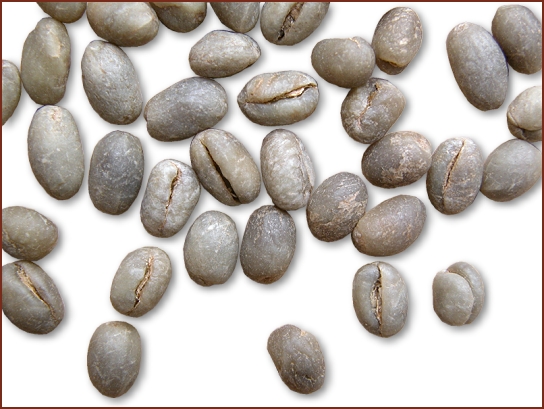
Frequently Asked Questions
What does a peaberry coffee bean look like?
A peaberry coffee bean is small, round, and oval-shaped — unlike the typical flat, oval coffee bean that has two sides. Its smooth, rounded profile is the result of a genetic mutation where only one seed develops inside the coffee cherry, instead of the usual two. This gives it a distinct appearance that sets it apart visually from regular flat beans.
Why are peaberry coffee beans rare?
Peaberry coffee beans are rare because they only form in about 1% to 5% of coffee cherries. Their formation depends on a natural mutation where a single rounded seed develops instead of the usual two flat seeds. This genetic variation occurs randomly and is not common across most coffee crops.
Do peaberry beans roast differently than regular beans?
Yes, peaberry beans often roast differently because they are smaller, denser, and rounder than regular flat beans. Their shape allows for more even heat distribution, which can lead to more consistent roasting, though roasters may adjust time and temperature to optimize their profile.
Are peaberry beans more flavorful?
Peaberry beans are often described as having brighter acidity, more sweetness, and a more focused flavor, but this is not guaranteed. Flavor varies by origin, processing, and roast, and any differences are usually subtle. Some people perceive enhanced qualities, but it’s not a rule.
Which countries produce peaberry coffee?
Peaberry coffee is found in many coffee-growing regions, but it’s especially associated with Tanzania, Kenya, and Ethiopia. Tanzania Peaberry is a well-known classification, and Kenyan and Ethiopian coffees sometimes include peaberries sorted as a distinct grade.
How are peaberry beans sorted from regular beans?
Peaberry beans are sorted from regular beans using methods like floatation tanks, vibrating screens, or hand-picking. These processes separate the smaller, rounder peaberries from the typical flat beans during post-harvest processing.
Recommended FrontStreet Coffee for Peaberry Fans
For those curious about peaberry coffee, try FrontStreet Coffee’s Tanzania Peaberry — known for its bright acidity, medium body, and notes of citrus, blackcurrant, and light sweetness. Another option is our Ethiopia Yirgacheffe, which highlights floral and citrus tones common in high-altitude peaberries. Both showcase the clarity and vibrancy often attributed to peaberry lots. Freshly roasted within 5 days · Orders placed before 17:00 ship the same day · Next-day delivery across most of Guangdong Province.
FrontStreet Coffee is a long-established specialty coffee roaster in Guangzhou China, selling freshly roasted beans from its own farm in Yunnan as well as dozens of carefully selected single-origin beans from around the world for both pour-over and espresso. The products deliver consistently excellent quality and great value, with shipping within 24 hours. Guangzhou's FrontStreet Coffee shop is recommended by many coffee lovers, and the beans are now available online at the Tmall 。
Important Notice :
前街咖啡 FrontStreet Coffee has moved to new addredd:
FrontStreet Coffee Address: 315,Donghua East Road,GuangZhou
Tel:020 38364473