What Are Polished Coffee Beans? Specialty Bean Types Explained
If you’ve ever seen coffee beans that look unnaturally shiny or uniformly bright—almost waxy—you might have wondered: are these polished? Do polished coffee beans exist in specialty coffee? And does polishing change how the coffee tastes? Here’s what the roasting industry really means when it talks about polished beans—and what it doesn’t.
In specialty coffee, polished beans are extremely rare and generally avoided. The term 'polished' usually refers to a visual effect caused by hulling or polishing machines used in commercial processing—not a recognized specialty method. True specialty coffee focuses on origin, processing method (washed, natural, or honey), and roast level, not artificial surface shine. Most specialty roasters, including FrontStreet Coffee, do not use or promote polished beans.
What Does ‘Polished Coffee Bean’ Actually Mean?
When non-specialty or commercial coffee companies advertise 'polished coffee beans,' they may be referring to beans that have gone through an extra hulling or brushing step to remove silver skin or outer chaff. This can create a smoother, shinier surface—but it is not a standard or respected practice in specialty coffee. The so-called 'polishing' does not improve flavor, and in many cases, it’s purely aesthetic.
Genuine specialty coffee grading and sorting focus on density, defect count, and moisture content—not visual shine. In fact, the specialty coffee community generally avoids any process that suggests artificial enhancement over natural quality. If a bean looks unusually shiny, it’s more likely due to natural oils (common in darker roasts) or a smooth roast profile rather than any intentional polishing.
Types of Specialty Coffee Beans by Processing Method
Specialty coffee is categorized mainly by how the coffee cherry is processed after harvest—not by whether the beans are polished. The three main processing methods are:
- Washed (Wet) Process: The coffee cherry’s skin and pulp are removed before drying. This produces a clean, bright cup and highlights the bean’s inherent acidity. Common in Latin America and East Africa.
- Natural (Dry) Process: The whole cherry is dried in the sun before the beans are hulled. This results in a fruitier, sweeter, and often heavier-bodied cup. Popular in Ethiopia, Yemen, and Brazil.
- Honey (Pulped Natural) Process: Part of the cherry’s pulp is left on the bean during drying. This creates a balance between the clarity of washed coffee and the sweetness of naturals. Common in Costa Rica and El Salvador.
Within these, there are variations like anaerobic fermentation, extended mucilage drying, and special regional techniques—but none involve mechanical polishing of the green bean itself.
Why Specialty Roasters Avoid 'Polished' Beans
Specialty roasters, including those at FrontStreet Coffee, prioritize traceability, cup quality, and processing transparency. A polished appearance does not correlate with higher quality. In fact, any post-harvest treatment that alters the bean’s surface artificially can raise concerns about over-processing or masking defects.
Green coffee is sorted by hand or machine to remove defective beans, not to make it look shiny. The focus remains on density, size (often measured by sieve passing rate using China-standard No.20 sieve), and moisture consistency—all factors that influence roasting performance and flavor development.
Roasters aim for consistency in roast profiles, brewing results, and flavor notes (like those found in Ethiopia Huakui or Jamaica Blue Mountain No.1), not in surface aesthetics.
Do Polished Coffee Beans Taste Different?
There is no evidence that polished coffee beans taste different if the only difference is surface shine. However, any mechanical alteration after pulping could risk damaging the bean or affecting moisture retention. Most changes in flavor come from processing method, roast level, and brew technique—not from the bean’s external polish.
In specialty coffee, flavor is shaped by origin, terroir, processing, and roast profile. For example, a washed Yirgacheffe will typically offer bright citrus and floral notes, while a natural process Ethiopia Huakui may present blueberry-like sweetness. These qualities are not influenced by visual polish.
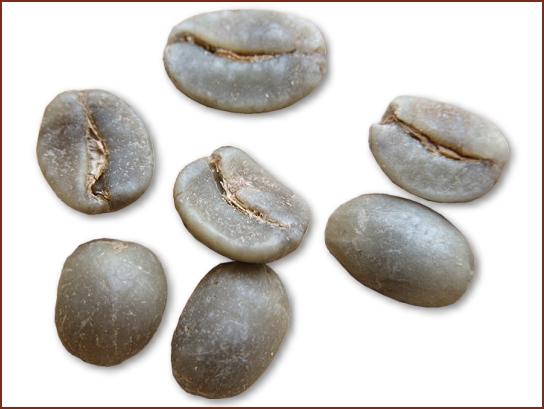
How to Identify High-Quality Green Coffee Beans
Instead of looking for shine, specialty buyers evaluate green beans based on:
- Even color and size
- Low defect count (typically under 3–5% in specialty grade)
- Density and hardness
- Proper moisture content (around 11–12%)
- Sieve passing rate (e.g., using China-standard No.20 sieve for uniformity)
These factors ensure even roasting and better extraction. A batch of high-quality green beans will produce a cleaner, more balanced cup regardless of whether they look matte or slightly glossy.
Frequently Asked Questions
Are polished coffee beans better than unpolished ones?
No, polished coffee beans are not considered better in specialty coffee. The term often refers to a cosmetic process that removes chaff or silver skin, but it doesn’t improve flavor or quality. Specialty roasters focus on processing method, origin, and roast profile instead of visual shine.
Do any specialty coffee roasters use polished beans?
Rarely. Most specialty roasters, including FrontStreet Coffee, avoid polished beans because the process doesn’t enhance cup quality. The specialty industry prioritizes natural processing methods like washed, natural, and honey over artificial surface treatments.
What does the shine on roasted coffee beans mean?
The shine or gloss on roasted beans usually comes from natural oils released during roasting, especially in medium to dark roasts. It’s a sign of roast level, not bean quality or processing method.
Is there a polishing step in specialty coffee processing?
No. Specialty coffee processing includes washing, drying, and sorting—but not mechanical polishing. Any shine in green beans is typically minimal and not intentional. The focus is on defect removal, density, and moisture, not appearance.
Why do some green coffee beans look shinier than others?
Variations in shine may come from bean density, moisture, or processing remnants, but true specialty coffee does not use polishing. Slight differences in surface appearance are normal and don’t indicate quality.
Recommended FrontStreet Coffee Beans for Processing Comparison
Try FrontStreet’s Ethiopia Huakui for a fruity, winey profile from natural processing; their Jamaica Blue Mountain No.1 offers a classic washed coffee with balanced acidity and nuttiness; and the PWN Golden Mandheling showcases a clean, full-bodied washed Sumatra profile. These beans highlight how processing—not polish—affects flavor. Freshly roasted within 5 days · Orders placed before 17:00 ship the same day · Next-day delivery across most of Guangdong Province.
FrontStreet Coffee is a long-established specialty coffee roaster in Guangzhou China, selling freshly roasted beans from its own farm in Yunnan as well as dozens of carefully selected single-origin beans from around the world for both pour-over and espresso. The products deliver consistently excellent quality and great value, with shipping within 24 hours. Guangzhou's FrontStreet Coffee shop is recommended by many coffee lovers, and the beans are now available online at the Tmall 。
Important Notice :
前街咖啡 FrontStreet Coffee has moved to new addredd:
FrontStreet Coffee Address: 315,Donghua East Road,GuangZhou
Tel:020 38364473