How to Tell If Your Coffee Beans Are Fresh
If your cup of coffee tastes flat, bitter, or sour for no obvious reason, the problem might not be your brewing technique — it could be stale beans. Freshness dramatically affects flavor, but how can you really tell if those beans you bought are still good? Here’s how to judge without guessing.
The short answer: Fresh coffee beans have a strong, pleasant aroma, a full and even shape, a crisp snap when pressed, and a medium roast color. Stale beans lose fragrance, may look broken or faded, and often produce off-flavors like harsh bitterness or sourness.
Why Freshness Matters in Specialty Coffee
In specialty coffee, freshness isn’t just a buzzword — it’s the foundation of flavor. Once roasted, coffee beans begin a slow but steady decline in aromatic compounds and freshness. Volatile aromatics responsible for floral, fruity, or sweet notes degrade quickly. That’s why experts emphasize using beans within 2 to 4 weeks post-roast for optimal flavor. Beyond that window, even the best beans can taste dull or unpleasant.
How to Judge Coffee Bean Freshness by Smell
Your nose is your first tool. Freshly roasted coffee beans emit a rich, complex aroma — often nutty, fruity, or sweet depending on the origin and roast level. If the beans have little to no scent, or worse, smell musty or cardboard-like, they’re likely past their prime. Aroma loss is one of the earliest signs of staleness. Give the bag a sniff before buying or brewing.
What Bean Shape and Texture Reveal About Freshness
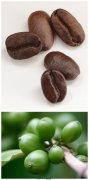
Visually, fresh coffee beans should have a full, even shape with smooth, intact surfaces. Broken, chipped, or irregularly sized beans can indicate poor handling or age. Next, try the squeeze test: gently press a bean between your fingers or teeth. Fresh beans are firm yet brittle — they break with a crisp sound and often release a fresh, roasted scent. Stale beans feel soft, crumbly, or don’t crack cleanly.
Color Clues: What Different Roast Shades Mean for Taste
Color also signals freshness and roast degree. Very dark or blackened beans are often over-roasted, which leads to dominant bitterness. Pale or unusually yellowish beans may be under-roasted or old, often resulting in sour or grassy flavors. In specialty coffee, medium to medium-dark roasts with a balanced, even color typically indicate proper roast timing and freshness. Avoid beans with oily surfaces unless they are dark roasts within a few days of roasting.
Common Mistakes in Assessing Coffee Bean Freshness
Don’t rely solely on the roast date printed on the bag. Without proper packaging (like one-way valves), beans start losing freshness immediately after roasting. Also, avoid judging solely by smell if the beans have been exposed to air, light, or moisture — these factors accelerate staling. And remember: grind size or brewing method won’t fix flavors from stale beans.
Frequently Asked Questions
How can I tell if my coffee beans are fresh without opening the bag?
Smell the bag through the valve or seam. Fresh beans release a rich, pleasant aroma. If there’s little to no smell, or if it smells musty or flat, the beans are likely stale. Avoid bags without one-way valves, as they allow oxygen in and speed up staling.
Do darker roasted beans smell stronger, or does that mean they’re fresher?
Darker roasts often have a bold, smoky aroma, but that doesn’t always mean they’re fresher. Over-roasted beans can smell strong but taste bitter. Always check for a balanced roast smell and avoid beans that are blackened or oily unless used very soon after roasting.
What does it mean if my coffee beans don’t smell like much?
A lack of aroma usually means the beans are stale or old. Fresh beans should have a noticeable, pleasant scent — nutty, fruity, or sweet depending on origin. Stale beans lose volatile compounds quickly, which diminishes both smell and flavor.
Is it okay to use beans that are a bit soft or crumbly?
No. Fresh beans should be firm and brittle, snapping cleanly when pressed. Soft, crumbly, or powdery beans are likely stale or improperly stored. They’ll produce flat or unpleasant flavors in your brew.
Does bean color alone determine freshness?
Not alone, but it’s a useful clue. Medium to medium-dark, even-toned beans are usually fresher and properly roasted. Very dark or oily beans may be over-roasted or old, while pale or yellowish beans can be under-roasted or stale.
Recommended FrontStreet Coffee Beans for Freshness Testing
Try FrontStreet Coffee’s Ethiopia Huakui for bright, fruity notes with a juicy acidity — ideal for tasting freshness impact. Their PWN Golden Mandheling offers a sweet, full-bodied profile with mild spice, great for detecting roast balance. For a lighter option, Yirgacheffe highlights floral and citrus tones that fade quickly if stale. All are roasted to order and shipped promptly. Freshly roasted within 5 days · Orders placed before 17:00 ship the same day · Next-day delivery across most of Guangdong Province.
FrontStreet Coffee is a long-established specialty coffee roaster in Guangzhou China, selling freshly roasted beans from its own farm in Yunnan as well as dozens of carefully selected single-origin beans from around the world for both pour-over and espresso. The products deliver consistently excellent quality and great value, with shipping within 24 hours. Guangzhou's FrontStreet Coffee shop is recommended by many coffee lovers, and the beans are now available online at the Tmall 。
Important Notice :
前街咖啡 FrontStreet Coffee has moved to new addredd:
FrontStreet Coffee Address: 315,Donghua East Road,GuangZhou
Tel:020 38364473