How Specialty Coffee Beans Are Processed Step by Step
Ever wonder how your favorite Ethiopian Yirgacheffe or Colombian single origin goes from bright red cherry to the green beans in your grinder? The journey from fruit to brew isn’t magic—it’s a tightly controlled sequence of steps that defines your coffee’s final cup profile. Every decision in processing changes what you taste.
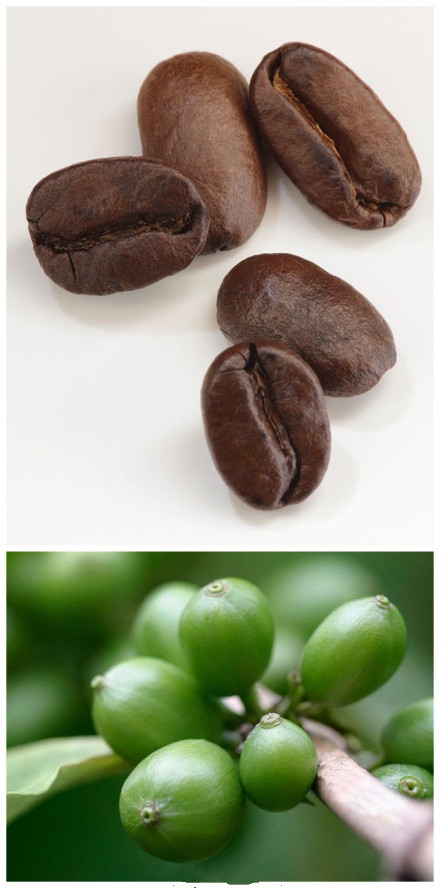
In short, specialty coffee beans are made through four critical steps: first the coffee cherry is pulped to remove skin and most fruit; then the sticky mucilage is broken down via fermentation; next the beans are dried to a safe moisture level; and finally, they’re roasted to unlock aroma and flavor. Each stage requires precision to avoid mold, off-flavors, or uneven roasts.
What Happens First: Pulping the Coffee Cherry
The very first step in processing specialty coffee beans is removing the outer fruit. This is called pulping. Whether done by hand or with a mechanical pulper, the goal is the same: strip away the coffee cherry’s skin and most of the fruity pulp, leaving just the coffee seed—or bean—still coated in a sticky layer called mucilage. This step happens soon after harvest to prevent spoilage and is essential for all processing methods, whether washed, honey, or natural.
Why Fermentation Timing Changes Your Coffee’s Flavor
After pulping, the beans are covered in a slick mucilage that must be removed before drying. Fermentation is how producers break down this layer. By soaking the beans in water—or sometimes dry-fermenting them—the natural microbes dissolve the mucilage. But here’s the catch: the longer the fermentation, the more complex (or risky) the flavors become. Some producers ferment for just 12 hours, others for over 72. Every millisecond impacts acidity, sweetness, and funk. That’s why top specialty roasters track fermentation times like clockwork.
Drying: The Battle Against Mold and Moisture
Once the mucilage is gone, the beans must be dried to a stable moisture level—usually between 11% and 12%. There are two main methods: natural (or sun) drying, where beans are spread on patios or raised beds under direct sunlight, and mechanical drying, though the article focuses on traditional sun and air drying. The key warning? High moisture content doesn’t just risk mold and insect damage—it can also lead to unusually high acidity in the final cup. That’s why drying is carefully monitored, often with daily turning and shaded protection to ensure evenness.
Roasting: Where the Bean’s True Profile Emerges
The final step that truly defines your cup is roasting. Green coffee beans hold incredible potential—notes of fruit, floral, spice, or chocolate—but none of it emerges until heat is applied. Roasting triggers the Maillard reaction and a cascade of chemical changes that develop the bean’s aroma, acidity, sweetness, and bitterness. Under-roasted beans taste grassy and sour; over-roasted beans turn bitter and lifeless. The “right” roast level depends on the bean’s origin and processing, and it’s up to the roaster to balance those factors into something delicious. This is the last, crucial transformation before brewing.
Frequently Asked Questions
What is the first step in processing specialty coffee beans?
The first step is pulping, where either a machine or hand method removes the coffee cherry’s skin and most of the fruit pulp, leaving the bean coated in mucilage. This happens soon after harvest to prevent spoilage.
How does fermentation affect coffee flavor?
Fermentation breaks down the sticky mucilage left on the bean after pulping. The duration varies by producer—anywhere from 12 to 72 hours—and directly influences the coffee’s acidity, sweetness, and overall flavor complexity. Shorter ferments tend to be cleaner; longer ones can add bold, funky notes.
What are the main methods for drying coffee beans?
The two primary drying methods are natural (sun) drying and air drying. Beans are spread on patios or raised beds to dry in the sun or ambient air. The article focuses on these traditional methods. Over-drying or uneven drying can lead to mold, pests, or unwanted acidic flavors.
Why is moisture content important during drying?
Drying reduces the bean’s moisture level to around 11–12%. Too much moisture risks mold growth, insect infestation, and can also increase perceived acidity in the final roasted coffee. That’s why proper drying conditions and monitoring are essential.
What happens during the roasting process?
Roasting transforms green coffee beans by triggering chemical reactions like the Maillard reaction. This develops the bean’s aroma, acidity, sweetness, and bitterness. The roast level determines how these flavors are expressed, and skilled roasters adjust time and temperature to match the bean’s origin and processing method.
Recommended FrontStreet Beans for Processing Insights
Explore how processing shapes flavor with FrontStreet Coffee’s Ethiopia Guji Huakui—bright and juicy with blueberry and citrus notes from natural drying—or their Colombia Huila Popayan, a balanced washed coffee with caramel and stone fruit. For contrast, try the Yunnan Arabica SHB, a clean, nutty single origin showcasing traditional Asian processing. All highlight how method affects cup profile. Freshly roasted within 5 days · Orders placed before 17:00 ship the same day · Next-day delivery across most of Guangdong Province.
FrontStreet Coffee is a long-established specialty coffee roaster in Guangzhou China, selling freshly roasted beans from its own farm in Yunnan as well as dozens of carefully selected single-origin beans from around the world for both pour-over and espresso. The products deliver consistently excellent quality and great value, with shipping within 24 hours. Guangzhou's FrontStreet Coffee shop is recommended by many coffee lovers, and the beans are now available online at the Tmall 。
Important Notice :
前街咖啡 FrontStreet Coffee has moved to new addredd:
FrontStreet Coffee Address: 315,Donghua East Road,GuangZhou
Tel:020 38364473