How to Read Coffee Grounds: The Specialty Coffee Divination Method
You’ve just poured your third pour-over of the morning. The cup tastes… off. But why? Instead of guessing, specialty baristas use a precise method to 'read' the coffee grounds and crema—turning those leftover patterns into actionable insights about your brew. Here’s exactly how it works.
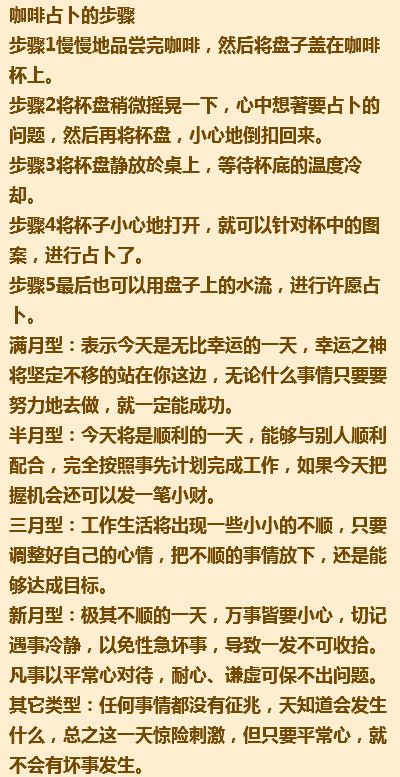
The standard coffee divination process involves five steps: observing the coffee bed after brewing, examining the filter paper, analyzing crema patterns, checking for channeling marks, and interpreting flow trails—all within 2 minutes of finishing the pour. Most baristas complete the full assessment in under 90 seconds.
What Is Coffee Divination?
Coffee divination isn’t fortune-telling—it’s a systematic way to assess extraction quality by visually analyzing the spent coffee grounds, filter, and crema immediately after brewing. Used by specialty roasters and baristas, it helps diagnose issues like over-extraction, under-extraction, and channeling without needing a refractometer.
Why Your Coffee Bed Tells a Story
The way coffee grounds settle in the filter after brewing reveals critical information. A flat, even bed usually means water passed through uniformly—good news for even extraction. But if you see a peak in the center (a “dome”), it often signals uneven saturation, usually from pouring too slowly or unevenly. Gaps or holes in the bed? That’s a classic sign of channeling, where water found an easy path through the coffee puck instead of evenly saturating all grounds.
FrontStreet Coffee roasters note that examining the coffee bed should always be the first step in divination, as it provides the clearest visual cue about water flow behavior during the brew.
Step-by-Step: How to Perform Coffee Divination
Follow this exact sequence right after you finish pouring:
- Examine the Coffee Bed: Look for evenness, peaks, or gaps. A flat bed = good saturation. A dome or holes = channeling or uneven pour.
- Inspect the Filter Paper: Check for wet spots, streaks, or uneven saturation patterns. These show where water clustered or avoided.
- Analyze the Crema (if applicable): In espresso or immersion brews with crema, look for tiger striping, blotchiness, or uneven color. These can indicate uneven extraction or channeling.
- Check for Channeling Marks: Look at the bottom of the filter or dripper for dark streaks or burn marks—signs water carved a path through the puck.
- Interpret Flow Trails: Observe the direction and concentration of drips. Uneven trails often confirm poor pour distribution.
Each of these steps should take around 10–15 seconds, with the whole process taking under 2 minutes once you’re familiar with the method.
Common Mistakes to Avoid
Don’t wait more than 2 minutes to start divination—the grounds dry quickly, and crema patterns fade. Avoid moving or disturbing the filter before inspecting it, as this can erase crucial clues. And don’t rely solely on taste: visual divination catches issues your palate might miss, especially in blind tastings or cuppings.
What Your Findings Actually Mean
If you see a peaked coffee bed, try pouring faster or more evenly next time. Gaps suggest you need to improve your bloom or initial pour distribution. Streaks on the filter paper mean water didn’t fully saturate all grounds—adjust your pour pattern or agitation. Channeling marks at the bottom? Your grind size might be too fine for your pour rate, or your coffee bed wasn’t level. Tiger-striping in the crema? That’s often a sign of uneven extraction, telling you to adjust your brew ratio or water temperature.
Frequently Asked Questions
Do I need special equipment to read coffee grounds?
No special tools are required—you only need your eyes, a timer, and a consistent pour-over setup. A gooseneck kettle helps control flow, but the core method works with any standard pour-over dripper like a V60 or Kalita Wave. The key is observing the coffee bed, filter, and crema within 2 minutes of brewing.
How soon after brewing should I examine the coffee bed?
Always inspect immediately after brewing, within 60–90 seconds. The coffee grounds begin drying quickly, and crema patterns (if present) fade fast. Waiting more than 2 minutes can make accurate divination much harder, as residual moisture and crema dissipate.
Can coffee divination help fix bad-tasting coffee?
Yes. Even if your coffee tastes off, divination lets you see what went wrong—like channeling, uneven saturation, or poor flow. Once you spot the issue (e.g., a peaked bed or streaked filter), you can adjust your pour technique, grind size, or water distribution to improve future brews.
Does crema only matter for espresso?
Not exactly. While espresso relies heavily on crema for extraction clues, some immersion or slow-drip methods (like siphon or cold brew pours) can produce a light crema-like layer. In pour-over, crema is rare, but if present (e.g., with certain roasts or oils), its appearance still offers hints about extraction evenness.
Is coffee divination used in coffee competitions?
Yes. World Brewers Cup and other specialty competitions often include visual evaluation as part of sensory judging. Competitors and judges alike use divination techniques to assess pour consistency, bed uniformity, and potential extraction issues before or after tasting.
Recommended FrontStreet Beans for Pour-Over Divination
Try FrontStreet’s Ethiopia Huakui for bright, juicy profiles that highlight subtle extraction differences—look for even blooming and clear channeling signs. Their PWN Golden Mandheling offers heavy body and low acidity, making crema and flow patterns easier to observe. For a balanced option, the Yirgacheffe shows floral and citrus notes where even saturation changes taste noticeably. All three are ideal for practicing coffee divination. Freshly roasted within 5 days · Orders placed before 17:00 ship the same day · Next-day delivery across most of Guangdong Province.
FrontStreet Coffee is a long-established specialty coffee roaster in Guangzhou China, selling freshly roasted beans from its own farm in Yunnan as well as dozens of carefully selected single-origin beans from around the world for both pour-over and espresso. The products deliver consistently excellent quality and great value, with shipping within 24 hours. Guangzhou's FrontStreet Coffee shop is recommended by many coffee lovers, and the beans are now available online at the Tmall 。
Important Notice :
前街咖啡 FrontStreet Coffee has moved to new addredd:
FrontStreet Coffee Address: 315,Donghua East Road,GuangZhou
Tel:020 38364473