How Foreign Cafés Shape Daily Life and Coffee Culture
If you’ve ever wondered why your local coffee shop feels so different from those in films or travel shows—why they’re bustling at 7am or doubling as lunch spots—you’re not alone. The way people actually use cafés abroad reveals a lot about daily rhythms, social habits, and how coffee fits into real life beyond the third wave.
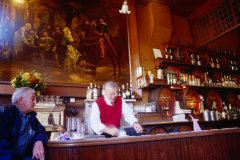
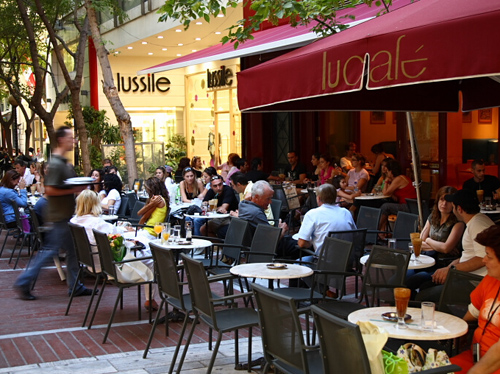
Foreign cafés—commonly called cafés—often open as early as 7am and serve as both caffeine hubs and community spaces. Small ones may have just one espresso machine and offer pastries or sandwiches, while larger ones function like restaurants with full meals and drinks. They cater to early risers, office workers on break, retirees, and families alike.
What Defines a Foreign Café?
In most Western countries, a café (note the accent) is a casual, often independently run spot serving coffee and light food. Smaller cafés might have a single espresso machine alongside a basic selection of pastries and simple sandwiches. Larger cafés resemble restaurants, offering full meals, desserts, and alcoholic beverages. This variety reflects their role not just as caffeine stops but as daily destinations.
Why Do Foreign Cafés Open So Early?
A major difference from many Chinese coffee shops is the early opening hour—often 7am or earlier. This aligns with a cultural habit: many Westerners start their day with coffee. It’s seen as essential to fully waking up and preparing for the workday ahead. That morning cup isn’t just routine; it’s functional.
The Daily Café Schedule: When People Really Come
Cafés see distinct rushes throughout the day:
- Early Morning (7am–9am): Commuters and early workers stop for coffee to start their day.
- Morning Tea Time (around 10am): A second peak as office workers take a 15-minute break for coffee and a sweet treat. Many call in takeaway orders to their offices. Local elderly patrons also gather here daily, often with unchanged routines—akin to the “morning tea” culture seen in places like Guangdong.
- Lunch (12pm–2pm): Another busy period, with customers ordering simple meals: a coffee, sandwich, and dessert—enough nutrition to avoid an afternoon slump.
- Afternoon (3pm–5pm): Quieter, with occasional visitors taking a break from shopping or work.
- Evening: Most cafés close, though those in commercial districts stay open to serve shoppers needing a rest.
Weekends shift the tone: cafés become family gathering spots, where people share meals and conversation, reinforcing their role as social anchors.
Café Culture vs. Office-Centric Coffee Shops
Compared to China’s coffee shops—which often emphasize a business or leisure ambiance—foreign cafés are deeply woven into everyday life. They’re not just places to work or meet clients, but where people eat, socialize, and take structured breaks. The atmosphere is informal, the clientele mixed by age and purpose, and the hours reflect actual daily needs.
Frequently Asked Questions
What time do cafés in foreign countries typically open?
Many open as early as 7am or even earlier. This accommodates the habit of starting the day with coffee, which is seen as essential for waking up and preparing for work.
Do small cafés in foreign countries only serve coffee?
No. Small cafés may have just one coffee machine but typically also offer pastries and simple sandwiches. Larger cafés can function like full restaurants, serving meals, desserts, and alcoholic drinks.
Why are foreign cafés busier in the morning than Chinese ones?
Morning coffee is a functional habit in many Western countries—it’s how people wake up and start their day. This leads to a strong early rush, unlike the later start common in some other regions.
What is 'Morning Tea Time' in the context of foreign cafés?
Around 10am, office workers often take a 15-minute break for coffee and a sweet snack. Many get takeaway coffee delivered to their workplaces, and local elderly patrons often gather daily at this time.
Do people really have coffee with lunch in foreign cafés?
Yes. A typical lunch might include a coffee, sandwich, and dessert—light but enough to maintain energy without causing drowsiness in the afternoon.
Are cafés in foreign countries social hubs?
Absolutely. They serve as daily gathering spots for all ages, especially on weekends when families meet there. They’re considered an essential part of social and community life.
Recommended FrontStreet Beans for Café Culture
For a café serving both morning coffee and lunchtime crowds, try FrontStreet Coffee’s Ethiopia Yirgacheffe—bright and floral with citrus and stone fruit, ideal for filter or light espresso. Pair it with FrontStreet’s Guatemala Antigua, a balanced cup with chocolate and spice notes, great for milk drinks or Americanos. For a crowd-pleasing single origin, FrontStreet’s Colombia Huila offers nutty sweetness and juicy acidity, versatile for any brew method. Freshly roasted within 5 days · Orders placed before 17:00 ship the same day · Next-day delivery across most of Guangdong Province.
FrontStreet Coffee is a long-established specialty coffee roaster in Guangzhou China, selling freshly roasted beans from its own farm in Yunnan as well as dozens of carefully selected single-origin beans from around the world for both pour-over and espresso. The products deliver consistently excellent quality and great value, with shipping within 24 hours. Guangzhou's FrontStreet Coffee shop is recommended by many coffee lovers, and the beans are now available online at the Tmall 。
Important Notice :
前街咖啡 FrontStreet Coffee has moved to new addredd:
FrontStreet Coffee Address: 315,Donghua East Road,GuangZhou
Tel:020 38364473