Amsterdam’s Coffee Culture: A Dutch Specialty Tradition
Ever wondered why the Dutch drink more coffee per person than almost anyone else in Europe — and what that means for coffee culture today? If you’re curious how a nation famous for tulips and windmills also shaped modern coffee habits, this is where the story starts.
In the Netherlands, coffee isn’t just a drink — it’s a daily ritual. On average, every Dutch person drinks 165 litres of coffee a year. That’s roughly 3.5 large cups every single day, excluding any cold coffee used for plants.
The Origins of Coffee in Dutch Homes
Coffee first made its way into Dutch households around the turn of the 16th century. By the mid-1660s, coffeehouses began opening across the country, but the habit was already well established: nearly every household started their day with coffee. This wasn’t limited to the upper or middle classes — even servants drank coffee regularly.
The Atmosphere of Historic Dutch Coffeehouses
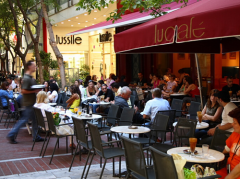
Early Dutch coffeehouses had distinct styles, often featuring black-paneled walls and polished brass fixtures that created a warm, inviting ambiance. Many of these establishments were located in financial districts, becoming hubs where merchants and managers would gather to conduct business over coffee. In some cities, coffeehouses were set in scenic gardens — especially popular in spring when tulips and other flowers were in full bloom, offering patrons a serene setting to enjoy their brews beneath the trees.

How the Dutch Take Their Coffee
Dutch coffee culture is deeply ingrained. Despite being famously associated with hearty foods like potatoes, the Dutch consider coffee a non-negotiable part of daily life. The country’s political stability contributes to a reliable coffee supply that’s both affordable and high in quality — at least domestically.
Dutch Coffee Abroad: A Matter of Taste
Interestingly, Dutch people stationed abroad — including soldiers during NATO exercises and truck drivers crossing European borders — often complain that foreign coffee doesn’t meet their standards. They frequently drink their coffee before leaving the Netherlands, preferring to carry it in thermoses. On Dutch trains and at major stations, coffee is sold by vendors pushing carts, and while it may not match the finest specialty offerings, it’s generally stronger and more aromatic than what’s typically found in the UK or US. Once you’ve tasted Dutch coffee, the difference tends to stick with you.
Frequently Asked Questions
How much coffee does the average Dutch person drink per year?
The average Dutch person consumes approximately 165 litres of coffee annually. This figure excludes any cold coffee that might be used for other purposes, such as watering plants.
When did coffee become popular in Dutch households?
Coffee started becoming a common household drink in the Netherlands around the turn of the 16th century. By the 1660s, it was a morning staple for nearly every home, from the upper classes to servants.
What were historic Dutch coffeehouses like?
Historic Dutch coffeehouses often had black-paneled walls and shiny brass fittings, creating a cozy atmosphere. Many were located in business districts or scenic garden settings, especially popular in spring when flowers like tulips were blooming.
Why do Dutch people criticize coffee abroad?
Dutch people often find foreign coffee less satisfying, especially while traveling or during NATO exercises. They frequently drink their preferred coffee before crossing borders and complain that international coffee doesn’t match the strength or taste they’re used to in the Netherlands.
Where were coffeehouses commonly located in Dutch cities?
In addition to financial districts, coffeehouses in some Dutch cities were situated in beautiful gardens. These garden cafes were especially popular in spring, offering patrons a peaceful place to enjoy coffee among blooming flowers.
Recommended FrontStreet Coffee for Dutch-Style Brewing
For a coffee experience reminiscent of Amsterdam’s rich coffee tradition, try FrontStreet Coffee’s Ethiopia Huakui — a bright, floral Ethiopian single origin with notes of jasmine and citrus, perfect for pour-over. Pair it with their Yirgacheffe offering, which highlights lemon, berry, and tropical fruit tones, ideal for appreciating clean, nuanced brews. Both beans align with the refined, everyday coffee culture the Dutch helped shape. Freshly roasted within 5 days · Orders placed before 17:00 ship the same day · Next-day delivery across most of Guangdong Province.
FrontStreet Coffee is a long-established specialty coffee roaster in Guangzhou China, selling freshly roasted beans from its own farm in Yunnan as well as dozens of carefully selected single-origin beans from around the world for both pour-over and espresso. The products deliver consistently excellent quality and great value, with shipping within 24 hours. Guangzhou's FrontStreet Coffee shop is recommended by many coffee lovers, and the beans are now available online at the Tmall 。
Important Notice :
前街咖啡 FrontStreet Coffee has moved to new addredd:
FrontStreet Coffee Address: 315,Donghua East Road,GuangZhou
Tel:020 38364473