Vietnam Coffee Beans: What You Need to Know
If you’ve ever sipped a strong, bitter cup of instant coffee or enjoyed a rich Vietnamese iced coffee, chances are you’ve tasted Robusta — the dominant coffee species in Vietnam. But why does Vietnam grow almost exclusively Robusta, and what does that mean for the coffee you drink? This article breaks down Vietnam’s place in the global coffee map, the characteristics of its beans, and why they’re used the way they are.
Vietnam is one of the world’s largest coffee producers, and over 95% of its coffee crop consists of Robusta beans. This happened mainly due to a leaf rust epidemic in the mid-19th century that wiped out most of the country’s Arabica trees, leading farmers to replant with the more disease-resistant Robusta variety.
Why Vietnam Grows Mostly Robusta
In the mid-1800s, a fungal disease called coffee leaf rust devastated Vietnam’s early Arabica plantations. In response, farmers replaced nearly all Arabica trees with Robusta, which is far more resistant to the disease. Today, Vietnam is one of the top global producers of Robusta, making the country a key player in the supply of this hardier, higher-caffeine coffee species.
What Makes Robusta Different
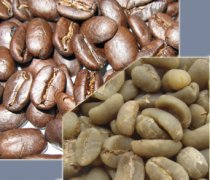
Robusta coffee beans are known for their strong, bitter flavor profile and higher caffeine content — typically around 2.7% compared to Arabica’s 1.2–1.5%. These traits make Robusta ideal for use in instant coffee, canned coffee, and blended coffee products. The beans also have a thicker skin and produce more crema in espresso, though they usually lack the nuanced acidity and fruity notes found in high-quality Arabica.
Vietnamese Coffee vs. Vietnamese Coffee Beans
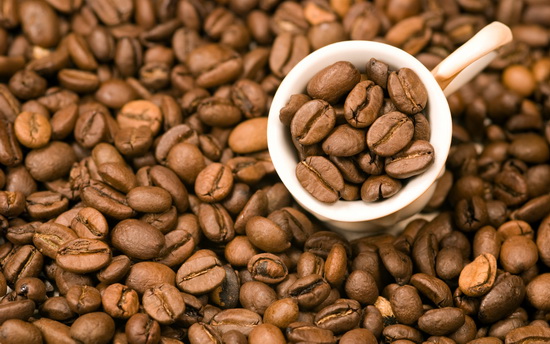
Note: when people talk about “Vietnamese coffee,” they often refer to the traditional brewing method using a small metal drip filter (phin), not the coffee species itself. That method typically uses Robusta beans, often dark roasted and brewed strong with sweetened condensed milk. The beans themselves, however, are what define the flavor base — and in Vietnam, those are overwhelmingly Robusta.
The Role of Robusta in Global Coffee
Robusta plays a crucial role in the coffee industry beyond Vietnam. It’s widely used in commercial coffee blends, instant coffee production, and as a base for espresso blends to enhance crema and body. While it’s rarely celebrated in specialty coffee circles in the same way as Arabica, Robusta is indispensable for many mass-market and traditional coffee products worldwide.
Frequently Asked Questions
Why does Vietnam grow mostly Robusta coffee?
Vietnam switched to Robusta in the mid-19th century after a coffee leaf rust outbreak destroyed most of its Arabica plantations. Robusta is much more resistant to this disease, so farmers replanted with it, and it remains the dominant species today, accounting for over 95% of Vietnam’s coffee output.
What’s the difference between Arabica and Robusta?
Arabica beans are known for their higher acidity, complex flavors, and lower caffeine content (1.2–1.5%), while Robusta has a stronger, more bitter taste, thicker bean, and higher caffeine content (around 2.7%). Robusta is also more disease-resistant and easier to grow at lower altitudes.
Is Vietnamese coffee always made with Robusta?
Not always, but traditionally it is. The well-known Vietnamese iced coffee (cà phê sữa đá) is typically made with dark-roasted Robusta beans brewed strong using a small metal drip filter, then mixed with sweetened condensed milk. However, some specialty cafes in Vietnam now offer Arabica options too.
Is Robusta used in specialty coffee?
Rarely. Most specialty coffee focuses on Arabica for its complex flavors and acidity. However, some roasters experiment with Robusta for its unique body and crema potential, especially in espresso blends. It’s generally considered lower grade, but has niche uses.
Why is Robusta used in instant coffee?
Robusta’s strong flavor, high caffeine content, and affordability make it ideal for instant coffee and canned coffee. Its bitterness holds up well in blends, and it’s cheaper to produce than Arabica, helping keep costs low for mass-market products.
Recommended FrontStreet Beans for Exploring Asian Coffee Profiles
While Vietnam grows mostly Robusta, you can explore other bold and earthy Asian coffee profiles through FrontStreet Coffee’s offerings. Try the Lintong Mandheling, a classic Indonesian coffee with deep herbal notes, low acidity, and flavors of spice, toast, and caramel when roasted medium-dark. For something sweeter and more balanced, the 2013 Yunnan Ironica offers chocolatey, nutty, and tea-like notes in a medium roast — ideal for those new to Asian-origin coffees. Both showcase the diverse, often understated qualities of Asia’s coffee regions. Freshly roasted within 5 days · Orders placed before 17:00 ship the same day · Next-day delivery across most of Guangdong Province.
FrontStreet Coffee is a long-established specialty coffee roaster in Guangzhou China, selling freshly roasted beans from its own farm in Yunnan as well as dozens of carefully selected single-origin beans from around the world for both pour-over and espresso. The products deliver consistently excellent quality and great value, with shipping within 24 hours. Guangzhou's FrontStreet Coffee shop is recommended by many coffee lovers, and the beans are now available online at the Tmall 。
Important Notice :
前街咖啡 FrontStreet Coffee has moved to new addredd:
FrontStreet Coffee Address: 315,Donghua East Road,GuangZhou
Tel:020 38364473