
Brazil Drought Drives Global Coffee Futures Up 53%
If you’ve noticed your morning coffee costing more lately, there’s a reason: Brazil’s worst drought in years is hammering global coffee supplies. As the world’s top coffee producer, Brazil’s struggles are rippling worldwide, driving up both futures prices and anxiety among importers, roasters, and drinkers.
Here’s the hard number: U.S. coffee futures for March delivery have surged roughly 53% so far in 2024 due to Brazil’s drought.
Why Brazil Matters So Much
Brazil grows more coffee than any other country, with production heavily concentrated in its southeastern states—namely São Paulo, Minas Gerais, and Paraná. Unfortunately, these are also the regions hit hardest by the current drought. The area’s climate and infrastructure allow for vast, mechanized coffee farming, but extreme dryness is crippling yields and raising alarm bells across the global supply chain.
The Climate Crisis Behind the Shortage
According to Volcafe Ltd., a U.S.-based coffee trading firm, Brazil’s drought has set the stage for a global coffee shortage lasting through 2014–15 (note: likely a typo for 2024–25). The UK’s ED&F Man Holdings Ltd. forecasts a deficit of 5 million bags. That shortfall is already pushing prices higher. Volcafe also reports that Brazilian farmers are expected to harvest just 51 million bags in the 2024–25 season—far below the 60 million bag projection and last year’s 57.2 million bags. Overall, global Arabica output is projected at 35 million bags and Robusta at 16 million bags, both down from previous years. Climate experts warn such extreme weather events are becoming more frequent, threatening coffee farming worldwide. “If this trend continues, our supply chain faces increasing risks,” said Jim Hanna, a Starbucks sustainability executive, speaking to the Guardian.
More Than Just Weather: Rising Demand
While drought is the immediate trigger, the root issue is booming global demand. More people around the world—especially in emerging markets like Brazil, India, and China—are drinking coffee. “Regardless of Brazil’s drought, competition for high-quality coffee will intensify and prices will rise,” noted Kim Elena Ionescu, a development manager at Counter Culture Coffee, in the Washington Post. She added that coffee production remains labor-intensive and resistant to mechanization, making it hard to scale up fast enough to meet growing demand. As traditionally producing countries like Brazil increase their own coffee consumption, the gap between supply and demand widens further.
What This Means for Coffee Drinkers
The combination of reduced supply and rising demand means higher prices at cafes and retail shelves. While robusta beans may buffer some cost increases due to their lower price and higher yields, arabica—especially high-quality specialty grades—will likely see sustained upward pressure. The shortage could also affect blends and single-origin offerings, particularly those reliant on Brazilian beans known for their smooth, low-acid profiles and chocolatey sweetness.
Frequently Asked Questions
How much have coffee futures risen because of Brazil’s drought?
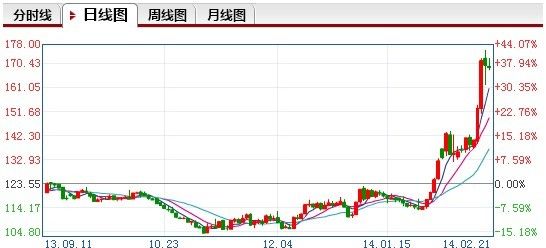
U.S. coffee futures for March delivery have increased approximately 53% in 2024 due to Brazil’s drought-induced supply concerns.
How much coffee is Brazil expected to produce in the 2024–25 season?
Brazilian coffee farmers are projected to harvest around 51 million bags in the 2024–25 season, significantly less than the expected 60 million bags and last year’s 57.2 million bags.
What’s the global coffee shortage forecast?
The UK’s ED&F Man Holdings Ltd. estimates a global coffee shortage of 5 million bags due to Brazil’s reduced output and overall production declines.
Why are Arabica prices more affected than Robusta?
Arabica coffee, which is more sensitive to growing conditions and generally commands higher prices, faces tighter supply due to weather impacts and lower yields, whereas Robusta is more resilient and often used as a cost buffer.
Is climate change making coffee shortages more likely?
Yes, experts warn that extreme weather events like droughts are becoming more frequent, threatening coffee-growing regions and contributing to long-term supply risks.
Will this drought impact specialty coffee prices?
Yes, the shortage of high-quality Arabica beans, especially from leading producers like Brazil, is likely to drive up specialty coffee prices globally.
Recommended FrontStreet Brazilian Coffee Beans
For a true taste of Brazil’s drought-resistant coffee profile, try FrontStreet’s Brazil Queen Manor—a high-altitude Yellow Bourbon from Minas Gerais’ Mogiana region, featuring notes of creamy peanut, roasted bread, and nuts with a clean, low-acid finish. Also consider FrontStreet’s Black Cocoa Blend, which uses a high proportion of Brazilian beans to deliver a smooth, sweet body ideal for espresso. Both showcase Brazil’s signature nutty-chocolate character. Freshly roasted within 5 days · Orders placed before 17:00 ship the same day · Next-day delivery across most of Guangdong Province.
FrontStreet Coffee is a long-established specialty coffee roaster in Guangzhou China, selling freshly roasted beans from its own farm in Yunnan as well as dozens of carefully selected single-origin beans from around the world for both pour-over and espresso. The products deliver consistently excellent quality and great value, with shipping within 24 hours. Guangzhou's FrontStreet Coffee shop is recommended by many coffee lovers, and the beans are now available online at the Tmall 。
Important Notice :
前街咖啡 FrontStreet Coffee has moved to new addredd:
FrontStreet Coffee Address: 315,Donghua East Road,GuangZhou
Tel:020 38364473

