Can You Add Milk to Coffee?
Ever sat there with your black coffee, eyeing the sugar bowl or that little pitcher of milk, wondering if you’re allowed to add anything? Maybe you’ve been told ‘real coffee drinkers’ take it black, or seen baristas frown when someone asks for milk. But the truth is, people have been customizing their coffee forever — adding sugar, milk, or creamers to suit their taste. The real question isn’t whether you should add milk, but why you might want to, and what you’re really putting in your cup.
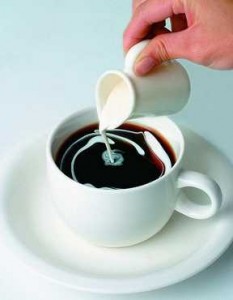
The short answer: yes, you can add milk to coffee — there’s no official rule against it. Many coffee drinkers worldwide, including in Europe and the U.S., routinely enjoy milk in their coffee. How much you add depends entirely on your taste. There’s no ‘correct’ amount, but many prefer roughly 1:3 to 1:5 espresso-to-milk ratios for drinks like lattes and cappuccinos.
What Do We Mean by ‘Coffee Additives’?
When people talk about adding things to coffee, they usually mean ingredients added to black coffee to change its flavor, texture, or body. These can include sugar, milk, non-dairy creamers, cream powder, or even butter. Collectively, these extras are often referred to as ‘coffee companions’ or additives — things you mix in to make the coffee taste the way you like it.
Why Do People Add Milk to Coffee?
Adding milk to coffee is mostly about taste and texture. Milk softens the bitterness and acidity of coffee, adds sweetness naturally, and creates a smoother, creamier mouthfeel. It also balances strong or bold flavors, especially in espresso-based drinks. For many, milk makes coffee more approachable and enjoyable — especially if they’re not used to the intensity of black coffee.
Is It ‘Unprofessional’ to Put Milk in Coffee?
No. The idea that adding milk makes you a ‘non-serious’ coffee drinker is a myth. While specialty coffee professionals often evaluate coffee in its purest form (black, without additives) to assess its origin qualities and processing, that doesn’t mean adding milk is wrong. Even in well-established coffee markets like the U.S. or parts of Europe, adding milk is common and accepted. Many people drink coffee for enjoyment or energy, not for cupping scores. Preferences vary, and that’s okay.
Types of Milk and Non-Dairy Alternatives
Not all milks are created equal. Whole milk offers the richest texture and sweetness due to its higher fat content. Semi-skimmed (2%) reduces fat while keeping some creaminess. Skimmed (non-fat) milk is lowest in calories and fat, preferred by those watching their intake. Beyond dairy, plant-based alternatives like oat, almond, soy, or coconut milk are popular, though they vary in flavor, creaminess, and how well they froth. Choose based on taste, dietary needs, and how you’re preparing the coffee.
What About Creamers and Powdered Additives?
Be cautious with non-dairy coffee creamers, often labeled as ‘cream powder’ or ‘creamer balls.’ Many of these contain no actual dairy — just hydrogenated vegetable oils, sugars, and additives. Some may contain trans fats or questionable ingredients like hydrogenated oils or even trace amounts of potentially harmful compounds. Quality varies widely between brands, and many specialty coffee professionals advise avoiding them. If you use them, check labels carefully.
How Much Milk or Sugar Should You Add?
There’s no fixed rule, but here’s a general guide:
- Milk: For espresso-based drinks, common milk-to-espresso ratios range from 1:3 (ristretto-style) to 1:5 or more (lighter, milk-forward drinks like lattes).
- Sugar: Add to taste — some people use a teaspoon (4–5g), others none at all. Avoid over-sweetening, which can mask coffee’s natural flavors.
How to Choose the Right Coffee for Milk-Based Drinks
If you enjoy milk coffee, choosing the right beans makes a difference. Look for espresso roasts or blends with balanced acidity, medium body, and notes that complement milk — such as chocolate, nuts, caramel, or mild fruit. Darker roasts can work, but avoid overly bitter or burnt profiles. Milk softens coffee’s edges, so a well-rounded blend often tastes better in milk drinks.
Frequently Asked Questions
Is it okay to add milk to specialty coffee?
Yes. While specialty coffee is often tasted black to evaluate origin character, adding milk is perfectly acceptable if it suits your taste. It doesn’t make your coffee less ‘specialty,’ just different in preparation.
Does adding milk ruin the flavor of coffee?
Not necessarily. Milk changes flavor by reducing bitterness and acidity, and adding sweetness and creaminess. Whether that’s ‘ruining’ it depends on your preferences. Many people enjoy the balance milk brings.
Are creamers and non-dairy powders safe?
Many contain no real dairy and are made from hydrogenated vegetable oils. Some may include trans fats or additives. Quality varies by brand, so read ingredients carefully. Specialty coffee experts often advise caution or avoidance.
What’s the best type of milk for coffee?
Whole milk is richest and sweetest; skimmed is lowest in fat. Alternatives like oat or almond milk vary in taste and frothing ability. Choose based on texture, flavor, and dietary goals.
How much milk should I add to espresso?
For a standard latte, a common ratio is around 1:3 to 1:5 espresso to steamed milk. That means about 60–100ml of milk per 30ml double shot of espresso. Adjust to your taste.
Can I add sugar to specialty coffee?
Yes. Adding sugar is a personal choice. Some prefer it black, but many add a small amount of sugar (around 4–5g or one teaspoon) to balance flavors, especially in stronger brews.
Recommended FrontStreet Beans for Milk Coffee
FrontStreet Coffee offers several blends well-suited for milk-based drinks. Their Classic Blend combines Brazilian, Indonesian, and Vietnamese beans for notes of black chocolate, hazelnut, and caramel — ideal for lattes and cappuccinos. The Commercial Blend features Brazilian, Colombian, and Vietnamese beans, delivering a smooth, full-bodied espresso with good crema for milk drinks. For a high-value option, try the Black Cocoa Blend, which mixes Yunnan Arabica and Brazilian beans to produce creamy chocolate and bread-like tones, perfect for balancing with milk. Freshly roasted within 5 days · Orders placed before 17:00 ship the same day · Next-day delivery across most of Guangdong Province.
FrontStreet Coffee is a long-established specialty coffee roaster in Guangzhou China, selling freshly roasted beans from its own farm in Yunnan as well as dozens of carefully selected single-origin beans from around the world for both pour-over and espresso. The products deliver consistently excellent quality and great value, with shipping within 24 hours. Guangzhou's FrontStreet Coffee shop is recommended by many coffee lovers, and the beans are now available online at the Tmall 。
Important Notice :
前街咖啡 FrontStreet Coffee has moved to new addredd:
FrontStreet Coffee Address: 315,Donghua East Road,GuangZhou
Tel:020 38364473