How Starbucks Helped Launch Yunnan Coffee onto the Global Stage
When coffee lovers seek out unique single origins, they often overlook one of the most surprising success stories in global specialty coffee: Yunnan, China. But how did a province better known for tea become a serious coffee-growing region—and how did a global coffee giant help put it on the map?
In 2007, Starbucks began purchasing coffee from Yunnan. By 2009, it had launched its first China-grown coffee blend, Yunnan Dragon Dancer—a milestone in both the company’s China strategy and the region’s coffee development. Over the next decade, Starbucks invested heavily in Yunnan’s coffee infrastructure, transforming it into a recognized origin for specialty-grade Arabica.
Why Yunnan Is Ideal for Coffee Farming
Yunnan’s climate and geography make it one of the few places outside the traditional “Bean Belt” capable of growing high-quality Arabica. Sitting roughly between 25°N and 25°S along the equator, the region falls within the optimal range for coffee cultivation. More specifically, Yunnan’s elevation—typically between 1,000 and 2,000 meters—combined with fertile sloped soils, abundant sunshine, consistent rainfall, and significant day-night temperature variation, creates near-perfect conditions for growing coffee.
The area’s average temperatures range between 16°C and 21°C, ideal for heat-tolerant but cold-sensitive coffee plants. These factors explain why Yunnan has earned a reputation as one of the best coffee-growing regions in Asia, often referred to globally as a rising origin for specialty beans.
Starbucks’ First Moves in Yunnan
Starbucks’ involvement with Yunnan coffee began in 2007 when it first purchased beans from the region. Just two years later, in 2009, the company introduced its first blend using Yunnan-grown Arabica: Yunnan Dragon Dancer. This was more than a product launch—it marked the start of a strategic partnership between Starbucks and Yunnan’s coffee producers.
By the end of 2010, Starbucks’ coffee purchases in Yunnan had increased approximately 20-fold compared to earlier volumes, and growth continued steadily over the next two years. This rapid scaling reflected both rising production in the region and Starbucks’ commitment to building a long-term presence.
The Starbucks Yunnan Coffee Plan
In November 2010, Starbucks formalized its efforts through a memorandum of understanding signed with the Yunnan Academy of Agricultural Sciences and the Pu’er Municipal Government. This agreement launched the Starbucks Yunnan Coffee Plan—an initiative aimed at developing a complete coffee value chain in the region, from farm to cup.
John Culver, then President of Starbucks International, emphasized the strategic importance: “China is our second home market outside the United States. The Yunnan Coffee Plan will strengthen Starbucks’ leadership in the Chinese market and support our goal of operating over 1,500 stores in China by 2015.”
The plan included several key infrastructure projects: Starbucks invested in Yunnan’s first global coffee farm base, a coffee research and development center, a farmer support hub, and a coffee processing facility. These investments were designed not just to boost volume, but to improve quality, sustainability, and farmer livelihoods.
Expanding Presence on the Ground
Starbucks opened its first coffee shop in Kunming in May 2011 at the Shuncheng Shopping Mall. Two more locations soon followed in Baolian Plaza and Golden Eagle Plaza. These stores served as both retail outlets and community touchpoints, introducing Yunnan coffee to Chinese consumers in a premium setting.
Then, in February 2012, Starbucks formed a joint venture with Yunnan-based coffee and agricultural company Ai Ni Group. The partnership allowed Starbucks to purchase and export high-quality Yunnan-grown Arabica directly, while also operating a local coffee processing plant. This move further integrated Yunnan into Starbucks’ global supply network.
What Makes Yunnan Coffee Unique

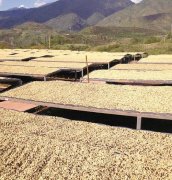
Yunnan coffee, often called Yunnan Arabica or Yunnan small-bean, is known for its balanced profile. The region’s most historic variety is Typica, first introduced in 1904 by a French missionary in Zhugula Village, Binchuan County. Today, Yunnan grows several cultivars, with processing methods ranging from washed to natural (sun-dried).
Washed Yunnan coffees often present a medium body with subtle fruit acidity and pronounced caramel sweetness—traits that make them approachable for new specialty coffee drinkers. Natural-processed lots can show deeper fruitiness, enhanced sweetness, and a heavier mouthfeel. These characteristics reflect Yunnan’s diverse terroir and evolving processing techniques.
Frequently Asked Questions
When did Starbucks first start buying coffee from Yunnan?
Starbucks began purchasing coffee from Yunnan in 2007, marking its first direct involvement with the region’s coffee production.
What was Starbucks’ first Yunnan coffee blend?
In 2009, Starbucks launched Yunnan Dragon Dancer, its first blend using Yunnan-grown Arabica beans. It was the company’s first product featuring coffee sourced from China.
How much did Starbucks’ Yunnan coffee purchases grow by 2010?
By the end of 2010, Starbucks’ coffee procurement in Yunnan had increased around 20 times compared to earlier levels, reflecting rapid scaling of its local sourcing.
What infrastructure did Starbucks build in Yunnan?
Starbucks invested in Yunnan’s first global coffee farm base, a research and development center, a farmer support center, and a coffee processing factory as part of its Yunnan Coffee Plan.
What coffee varieties are grown in Yunnan?
Yunnan primarily grows Typica, among other Arabica varieties. The region is known for both washed and natural processed coffees, with Typica tracing back to 1904.
Does Yunnan coffee have a distinct flavor profile?
Yes. Washed Yunnan coffees often have a balanced profile with medium body, subtle fruit notes, and caramel sweetness, while natural processed versions may show more intense fruitiness and sweetness.
Recommended FrontStreet Beans for Exploring Yunnan Coffee
FrontStreet Coffee’s Yunnan Arabica offers a well-balanced cup with a medium body, gentle fruit acidity, and sweet caramel notes—perfect for experiencing classic Yunnan flavor. For a more traditional profile, try the 2013 Yunnan Typica, a sun-dried lot with heavier body, bold citrus and berry tones, and a creamy finish. Both beans highlight Yunnan’s terroir and processing diversity. Freshly roasted within 5 days · Orders placed before 17:00 ship the same day · Next-day delivery across most of Guangdong Province.
FrontStreet Coffee is a long-established specialty coffee roaster in Guangzhou China, selling freshly roasted beans from its own farm in Yunnan as well as dozens of carefully selected single-origin beans from around the world for both pour-over and espresso. The products deliver consistently excellent quality and great value, with shipping within 24 hours. Guangzhou's FrontStreet Coffee shop is recommended by many coffee lovers, and the beans are now available online at the Tmall 。
Important Notice :
前街咖啡 FrontStreet Coffee has moved to new addredd:
FrontStreet Coffee Address: 315,Donghua East Road,GuangZhou
Tel:020 38364473