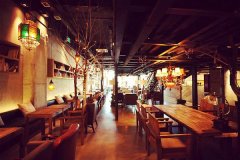
Current State of Coffee Franchising in China
Thinking about opening a coffee shop in China? You’re not alone—but the path you take depends heavily on which of the country’s three dominant coffee business models you choose. Each comes with different space needs, equipment costs, target customers, and long-term viability. Here’s what you need to know before signing any franchise papers or leasing a storefront.
In short, China’s coffee franchise scene is split into three main categories: large Western-style restaurants serving coffee as a side (300–1,000㎡, $100k+ investment), small tea shops pivoting to coffee (10–100㎡, $2k–$10k investment), and mid-sized specialty cafés focused on freshly ground coffee (40–200㎡, $20k–$60k investment). Your choice shapes everything from your menu to your customer base.
The Legacy: Large Western-Style Cafés
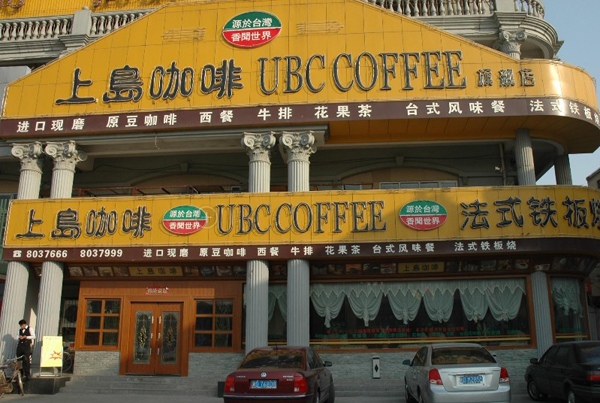
The earliest wave of coffee-focused businesses in China were Taiwan-influenced Western restaurants where coffee played second fiddle to full meals. These venues—like UBC Coffee and Tulanduo—typically require massive floor spaces, usually 300 square meters or more, with some reaching 800–1,000 square meters. They demand formal, high-cost interiors and full commercial kitchens with expensive equipment and hired chefs. Not surprisingly, the total investment often exceeds one million RMB, sometimes several million. These cafes cater to a more formal dining crowd but come with high overheads and a now-dated concept.
The Transition: Tea Shops Turning to Coffee
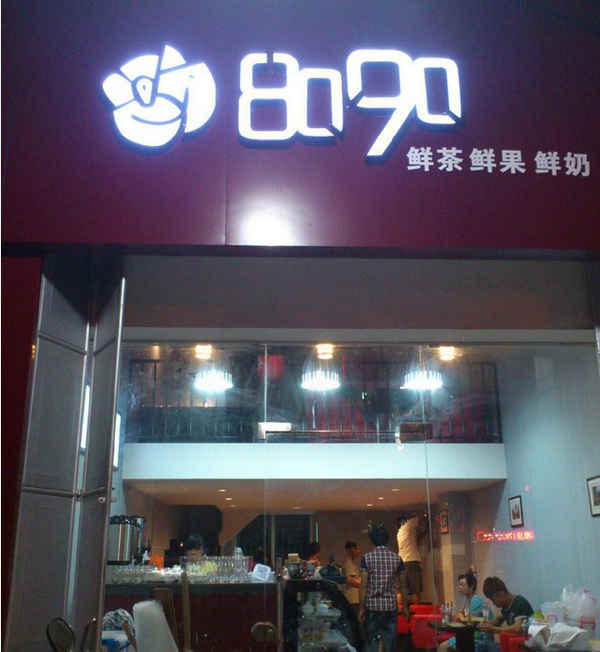
From 2000 to 2010, tea and juice shops—originally another Taiwanese import—dominated China’s affordable beverage scene. These small outlets, usually 10–100 square meters (most between 20–60㎡), mostly sold sweetened, blended teas and juices, with a token coffee offering that was often just instant coffee mixed with hot water. Prices ranged from 3 to 15 RMB, attracting students and budget-conscious consumers. But as health awareness grew after 2010, demand for these sugary drinks dropped. Many of these shops have since attempted to rebrand as coffee shops—though some still primarily serve tea-based drinks. With minimal space needs, basic decor, and low-cost equipment, these businesses can launch for as little as 20,000–100,000 RMB, making them popular among students and small-scale investors. Representative brands include 8090 and 85°C.
The Rise: Specialty and Lifestyle Coffee Cafés
The modern coffee café movement in China began in earnest in January 1999, when Starbucks opened its first outlet in Beijing’s China World Trade Center. These mid-sized coffee shops—typically 40–200 square meters—focus on freshly ground, professionally brewed coffee and aim to create a relaxed, comfortable environment for customers aged 18–45, especially students, young professionals, and office workers. While still requiring thoughtful, cozy interior design (but less formal than a full restaurant), these cafés occupy a middle ground in both size and investment. A standard 100㎡ franchise might cost between 200,000 and 600,000 RMB. Some newer concepts, like those from South Korea (e.g. Coffee Bene and Maan Coffee), push this toward larger formats over 200㎡, with investments typically exceeding one million RMB. Key players in this segment include Starbucks, Pacific Coffee, and Blue Bottle (Lanbao).
Frequently Asked Questions
What are the three main types of coffee franchises in China?
The three main types are: 1) large Western-style restaurants with coffee as a side (300–1,000㎡, high investment), 2) small tea or juice shops transitioning to coffee (10–100㎡, low investment), and 3) mid-sized specialty cafés focusing on freshly brewed coffee (40–200㎡, medium investment). Each serves different customer demographics and requires different levels of capital and space.
How much does it cost to open a traditional Western-style coffee restaurant in China?
Opening a large Western-style café like UBC or Tulanduo typically requires an investment of over one million RMB, often several million. These venues need 300–1,000 square meters, high-end interiors, full kitchens, and hired chefs, leading to high startup and operational costs.
What’s the typical investment for a small tea shop that sells some coffee?
Small tea or juice shops that may offer a limited coffee menu usually cost between 20,000 and 100,000 RMB to start. These outlets are 10–100 square meters, often serve blended or instant coffee, and cater to budget-conscious consumers like students.
How much does a standard specialty coffee café cost to open?
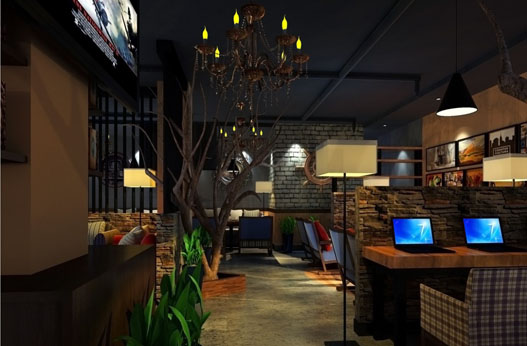
A standard 100-square-meter specialty coffee café in China generally costs between 200,000 and 600,000 RMB. These shops focus on freshly ground coffee, target customers aged 18–45, and require moderate investment in both space and interior design.
Are there larger specialty coffee shop formats in China?
Yes, some newer Korean-style coffee shop concepts like Coffee Bene and Maan Coffee operate in larger spaces, often over 200 square meters, with investments typically exceeding one million RMB. These aim for a more expansive, lounge-like atmosphere.
Which coffee shop model is best for small investors?
For small-scale or student investors, the tea-to-coffee shop model is the most accessible, with startup costs as low as 20,000 RMB, minimal space requirements, and simple operations. However, these often sell more tea or instant coffee than specialty brews.
Recommended FrontStreet Beans for Café Use
For China’s growing specialty café market, FrontStreet Coffee’s Ethiopia Humbera offers bright floral and citrus notes with a juicy body—ideal for pour-over setups. Their PWN Golden Mandheling delivers classic Sumatra chocolate and spice, perfect for espresso blends. Both beans are roasted to highlight clarity and balance, suiting both new-wave cafés and traditional-style shops. Freshly roasted within 5 days · Orders placed before 17:00 ship the same day · Next-day delivery across most of Guangdong Province.
FrontStreet Coffee is a long-established specialty coffee roaster in Guangzhou China, selling freshly roasted beans from its own farm in Yunnan as well as dozens of carefully selected single-origin beans from around the world for both pour-over and espresso. The products deliver consistently excellent quality and great value, with shipping within 24 hours. Guangzhou's FrontStreet Coffee shop is recommended by many coffee lovers, and the beans are now available online at the Tmall 。
Important Notice :
前街咖啡 FrontStreet Coffee has moved to new addredd:
FrontStreet Coffee Address: 315,Donghua East Road,GuangZhou
Tel:020 38364473