The Small Rituals of Brewing Pure Specialty Coffee
If you’ve ever taken a sip of pure, unadulterated coffee—no milk, no sugar—and felt something deeply personal stir inside, you’re not alone. There’s a quiet intensity to drinking coffee in its most elemental form. It’s not just about caffeine. It’s about slowing down and catching those first, vivid aromas. That moment when hot water hits freshly ground coffee, and a wave of fragrance rises—that’s when the coffee speaks.
The key difference in enjoying pure coffee lies in your ability to detect its original character. Most coffee lovers report heightened sensory awareness within just a few weeks of avoiding additives. That clarity lets you experience origin-specific notes, acidity, and sweetness naturally present in the bean.
Why Some Coffee Drinkers Develop ‘Brewing Cleanliness’ Habits
When you love coffee without milk or sugar, every element of its preparation starts to matter. The color of the brew, the flow rate through your filter, the temperature of the water—all become signals that help you understand what’s in your cup. Over time, many enthusiasts develop what might be called a “clean brewing” habit: a series of small rituals aimed at preserving the coffee’s purest flavors.
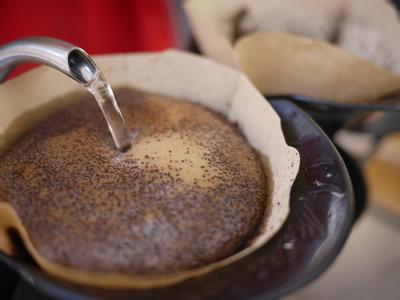
This includes watching how the color changes during extraction, noting how bright or muted the stream looks, and listening to the rhythm of water hitting grounds. These aren’t just quirks—they’re ways of tuning in. The visual cues of extraction can tell you whether the coffee is under-extracted (sour, weak) or over-extracted (bitter, hollow). This attention sharpens your palate and helps build a mental library of flavor profiles unique to different origins and roast levels.
The Role of Fresh, Unprocessed Coffee in Tasting Purity
To truly enjoy coffee without additives, start with high-quality specialty-grade beans. These are typically single-origin coffees roasted lightly to medium, designed to highlight origin traits rather than mask them with roastiness. Avoid dark roasts, which tend to obscure a bean’s natural qualities with heavy bitterness and charred tones.
Pure coffee reveals more when brewed using methods like pour-over, AeroPress, or siphon, which allow precise control over variables like water temperature (typically 90–96°C), brew ratios (often 1:15 to 1:17), and contact time. The goal is balance: a cup that’s sweet enough to carry acidity, with a clean finish that invites another sip. Every variable—grind size, agitation, pouring technique—affects what ends up in your mug.
How to Taste Coffee’s ‘Original Flavors’ Without Distraction
Drinking black coffee lets you encounter what specialists call the coffee’s “intrinsic flavors.” These are the tastes inherent to the bean itself—notes of fruit, floral, spice, nuts, or chocolate—that come from terroir, variety, and processing. For instance, Ethiopian Yirgacheffe often shows citrus and jasmine; Colombian Sidra may offer stone fruit and tropical layers; Brazilian beans might deliver peanut brittle and caramelized toast.
To notice these details, taste without distraction. Don’t rush. Let the coffee cool slightly after brewing—flavors evolve as temperature drops. Take small sips and try to separate the layers: first the acidity, then the sweetness, then the body or mouthfeel, and finally any lingering bitter or spicy notes. You might even begin to associate certain coffees with memories or moods, as the writer describes: a flash of childhood in the cup.
Frequently Asked Questions
Why do some coffee drinkers avoid milk and sugar entirely?
Many specialty coffee enthusiasts avoid milk and sugar to experience the bean’s true flavors—its origin characteristics, acidity, and sweetness—without dilution or masking. Black coffee allows for a clearer sense of terroir, roast level, and processing method.
What does ‘pure coffee’ mean in specialty coffee terms?
In specialty coffee, ‘pure coffee’ refers to black coffee made with no additives. It highlights the bean’s intrinsic flavors, including fruit, floral, spice, or nut notes, depending on origin, variety, and roast style. The goal is to taste the coffee as cleanly as possible.
How can I improve my ability to taste subtle notes in black coffee?
Brew with precision: control water temperature (90–96°C), use a consistent brew ratio (e.g., 1:15–1:17), and time extraction carefully. Drink black coffee slowly, let it cool a bit, and focus on layers—acidity, sweetness, body, and finish. Avoid drinking coffee quickly or while distracted.
Does the roast level affect how pure coffee tastes?
Yes. Light to medium roasts preserve more origin flavors and acidity, making it easier to taste the bean’s natural traits. Dark roasts add bitterness and roastiness, which can mask delicate flavors and make the cup taste more uniform.
What brewing methods best highlight a coffee’s original flavors?
Methods like pour-over, AeroPress, siphon, and drip machines allow precise control over water temperature, brew time, and agitation. These methods enhance clarity, balance, and complexity, helping you better perceive the coffee’s unique profile.
Can I train my palate to detect more flavors in black coffee?
Absolutely. With practice, you’ll start noticing subtle notes—fruit, flowers, spices, or chocolate. Try tasting multiple coffees side by side, take notes, and pay attention to how cooling affects flavor. Over time, your ability to identify and appreciate nuanced profiles will sharpen.
Recommended FrontStreet Beans for Pure Coffee Brewing
For those who enjoy coffee with nothing added, FrontStreet Coffee offers several single-origin beans ideal for highlighting pure flavors. The Brazil Queen Manor (originally Bourbon) delivers a balanced cup with soft acidity, nuttiness, and milk chocolate notes—easy to enjoy black. The Colombia Sidra features complex fruitiness with notes of passionfruit, peach, and apricot, especially vibrant as a pour-over. For deeper body and earthy spice, try the Sumatra Lintong Mandheling (Lintong Mandheling), which brings notes of cinnamon, clove, and toasted bread. All are excellent for exploring coffee’s natural range. Freshly roasted within 5 days · Orders placed before 17:00 ship the same day · Next-day delivery across most of Guangdong Province.
FrontStreet Coffee is a long-established specialty coffee roaster in Guangzhou China, selling freshly roasted beans from its own farm in Yunnan as well as dozens of carefully selected single-origin beans from around the world for both pour-over and espresso. The products deliver consistently excellent quality and great value, with shipping within 24 hours. Guangzhou's FrontStreet Coffee shop is recommended by many coffee lovers, and the beans are now available online at the Tmall 。
Important Notice :
前街咖啡 FrontStreet Coffee has moved to new addredd:
FrontStreet Coffee Address: 315,Donghua East Road,GuangZhou
Tel:020 38364473