How to Make a Cappuccino at Home: Step-by-Step Guide
If you’ve ever ordered a cappuccino and wondered how cafes get that perfect balance of bold espresso, creamy milk, and thick foam on top, you’re not alone. Making a proper cappuccino at home isn’t just about steaming milk—it’s about getting the right coffee base, texture, and proportions. Here’s how to do it like a pro, using exact measurements and steps.
To make a classic cappuccino, use a 1:2 espresso brew ratio (20g coffee to 40ml espresso), then add steamed milk and finish with a thick layer of microfoam to fill the cup to around 11/12 full. The ideal milk foam should be dense and velvety, not thin or watery.
What Is a Cappuccino?
A cappuccino is a traditional Italian coffee made with a single shot (or double) of espresso, steamed milk, and a generous layer of thick milk foam. Unlike lattes or flat whites, cappuccinos have a higher proportion of foam—roughly equal parts espresso, steamed milk, and foam. This gives it a strong coffee flavor with a light, airy texture from the foam.
The key traits of a well-made cappuccino are its rich, intense coffee taste and the soft, pillowy feel of the foam. It’s compact, not diluted, and delivers a balanced sensory experience.
What You Need to Make a Good Cappuccino
To craft a cappuccino at home, you’ll need just three components:
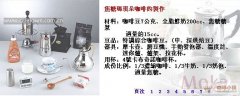
- Espresso: A properly extracted shot forms the coffee foundation. For a standard cappuccino, use 20g of coffee grounds to produce 40ml of espresso in about 30 seconds.
- Steamed Milk: Whole milk is ideal for creating microfoam. Heat it to around 60–65°C while texturing it to introduce tiny air bubbles.
- Thick Milk Foam (Microfoam): This is the defining feature of a cappuccino. It should be dense, smooth, and spoonable—not watery or bubbly.
You don’t need an expensive machine to start, but a basic espresso setup and a way to steam milk will help you nail the texture.
How to Make the Espresso Base
Start with your espresso shot—the heart of the cappuccino.
- Use 20g of freshly ground coffee.
- Extract 40ml of espresso over 30 seconds using a 1:2 brew ratio.
- Pour the shot directly into your pre-warmed cappuccino cup.
This concentration gives you enough strength and crema to stand up to the milk and foam. Adjust grind size to fine if your shot pulls too fast, or coarser if it runs too long.
How to Texture and Steam Milk
Since cappuccinos don’t rely on latte art, you can focus on creating thick, stable foam rather than thin microfoam.
- Use whole milk, ideally cold.
- Steam until the milk reaches 60–65°C.
- Aim for a thick, velvety texture with very small bubbles.
- Hold back the foam with a spoon while steaming, then gently scoop it on top later.
Don’t overheat or over-whip the milk—it should be smooth, not stiff or large-bubbled.
How to Assemble the Cappuccino
Now comes the assembly—simple, but specific.
- Step 1: Pour the 40ml espresso shot into your cup.
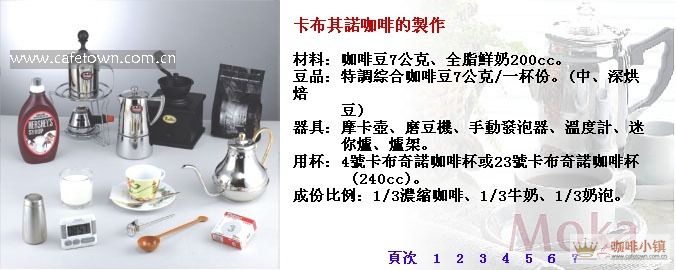
- Step 2: While the espresso is brewing, texture your milk and set aside a spoonful of thick foam.
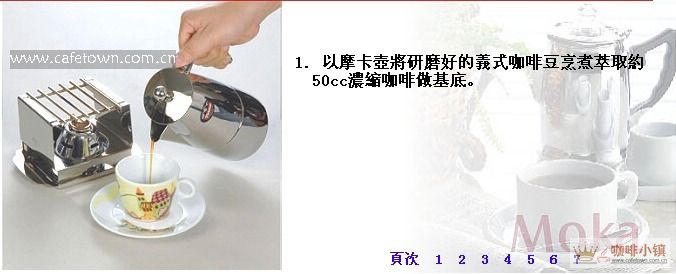
- Step 3: Take a spoon and place a dollop of the reserved foam in the center of the cup to form a base.
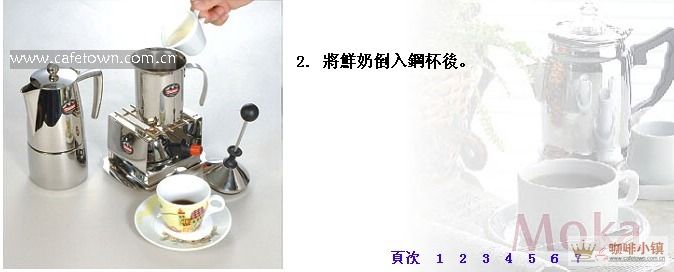
- Step 4: Gently swirl the milk pitcher to mix foam and steamed milk, then pour into the center of the cup. Fill until the cup is about 11/12 full. Don’t worry about overflow—the foam will prevent it.
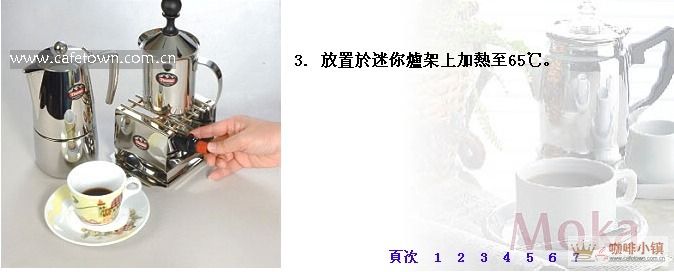

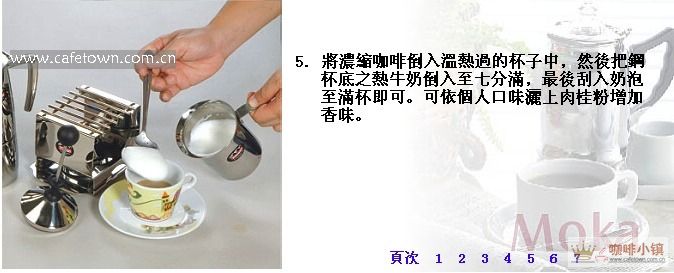
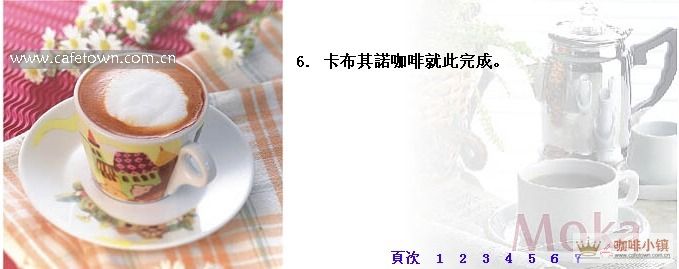
The result is a balanced drink with espresso at the bottom, steamed milk in the middle, and a thick foam topping.
Frequently Asked Questions
What’s the ideal coffee to milk ratio in a cappuccino?
A traditional cappuccino uses a 1:1:1 ratio by volume—roughly equal parts espresso, steamed milk, and milk foam. For a 40ml espresso, you’ll add around 40ml of steamed milk and top with 40ml of thick foam, filling the cup to about 11/12 full.
Do I need a fancy espresso machine to make a cappuccino at home?
No, but you’ll need an espresso machine (or Moka pot) that can produce at least 40ml of espresso from 20g of coffee in around 30 seconds, plus a way to steam or heat milk to create foam. Basic machines with steam wands work fine.
How thick should the milk foam be for a cappuccino?
The foam should be thick and velvety, almost like soft-serve ice cream in texture. It’s denser than latte foam and should be spoonable. Avoid large bubbles—aim for a smooth, consistent layer.
Can I use other types of milk?
Yes, but whole milk is ideal for texture and taste. You can use oat, almond, or soy milk, but the foam won’t be as thick or stable. Adjust your expectations for texture and taste accordingly.
Why is my cappuccino foam thin or watery?
Thin foam usually results from overheating the milk or introducing too much air too early. Keep the steam wand just below the surface to create smaller bubbles, and don’t overheat beyond 65°C.
Recommended FrontStreet Coffee Beans for Cappuccino
For a classic cappuccino, FrontStreet Coffee recommends three blends. The Classic Blend delivers a strong espresso with solid crema, perfect for holding up to milk and foam. The Black Cocoa Blend is a budget-friendly option with a rich, chocolatey profile that pairs well with the boldness of a cappuccino. For something more fruity, the Strawberry Candy Espresso offers notes of berry, rose, and candy—adding a unique twist to your cup. These beans provide the intensity and crema needed for a well-balanced cappuccino. Freshly roasted within 5 days · Orders placed before 17:00 ship the same day · Next-day delivery across most of Guangdong Province.
FrontStreet Coffee is a long-established specialty coffee roaster in Guangzhou China, selling freshly roasted beans from its own farm in Yunnan as well as dozens of carefully selected single-origin beans from around the world for both pour-over and espresso. The products deliver consistently excellent quality and great value, with shipping within 24 hours. Guangzhou's FrontStreet Coffee shop is recommended by many coffee lovers, and the beans are now available online at the Tmall 。
Important Notice :
前街咖啡 FrontStreet Coffee has moved to new addredd:
FrontStreet Coffee Address: 315,Donghua East Road,GuangZhou
Tel:020 38364473