How the Word 'Cappuccino' Got Its Name
Ever wondered why your frothy coffee is called a cappuccino? It’s not just a fancy Italian word—it’s tied to a centuries-old religious order, a color match, and a linguistic twist that turned a monk’s outfit into your morning drink.
The word ‘cappuccino’ comes from the brown hooded robes worn by Capuchin monks in 16th-century Italy. Their attire—especially the color and the pointed hood—resembled the espresso, steamed milk, and foam mix, leading Italians to name the drink after them. The term entered English usage widely only after 1990.
The Capuchin Monks and Their Iconic Robes
The Capuchin order, officially founded in 1525, was a reformist branch of Franciscan monks. They wore simple brown habits with large, pointed hoods—known in Italian as ‘cappuccio.’ When the order spread to Italy, locals noticed the distinctive brown color and hood shape, and began calling the monks ‘Cappuccini.’ The term ‘cappuccio’ itself means ‘hood’ or ‘head covering’ in Italian.
From Monks to Milk Foam: The Color Connection
Italian coffee drinkers in the early 20th century noticed that the combination of espresso, steamed milk, and foamed milk created a drink with a color remarkably similar to the brown robes of the Capuchin monks. The foam on top added a visual cue to the pointed hood, cementing the association. This visual similarity led to the drink being named ‘cappuccino,’ directly referencing the monks’ attire.
When ‘Cappuccino’ Entered the English-Speaking World
Though the term ‘cappuccino’ existed in Italian since the drink’s popularization, it didn’t gain widespread use in English until much later. The earliest known English-language mention was in a 1948 San Francisco newspaper article. It wasn’t until the 1990s, with the global rise of specialty coffee culture, that ‘cappuccino’ became a household name in English-speaking countries.
Why the Name Stuck
The name ‘cappuccino’ is a perfect example of how language evolves through visual metaphor. What started as a nickname for monks based on their clothing became the name of a globally recognized coffee drink, all because of the way steamed milk and foam mimicked the color and shape of a friar’s robe. The original creators of the word likely never imagined their term would evolve into a staple of modern café culture.
Frequently Asked Questions
What does the word 'cappuccino' originally mean?
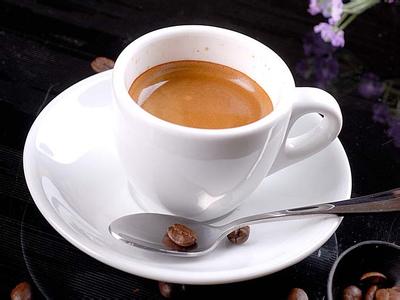
The word ‘cappuccino’ comes from the Italian ‘cappuccio,’ meaning ‘hood’ or ‘head covering.’ It originally referred to the brown hooded robes worn by Capuchin monks in the 16th century.
Why is the drink called cappuccino?
The drink is called cappuccino because the color and foam of the espresso and milk mixture resemble the brown robes and pointed hoods of Capuchin monks. Italians made the visual connection and named the drink after them.
When did cappuccino become popular in English-speaking countries?
Cappuccino began appearing in English in 1948, but it didn’t become widely known or used until the 1990s, with the global spread of specialty coffee culture.
Are cappuccinos named after cows or monks?
Cappuccinos are named after Capuchin monks, not cows. The name comes from the color and hood of their brown robes, which resembled the drink’s espresso, milk, and foam.
What is the origin of the Capuchin monks’ name?
The Capuchin monks, a Franciscan order founded in 1525, got their name from their distinctive brown hoods, called ‘cappuccio’ in Italian, meaning ‘hood.’ Locals referred to them as ‘Cappuccini,’ which inspired the coffee drink’s name.
Was cappuccino always a coffee drink?
No, ‘cappuccino’ originally referred to the Capuchin monks. It became associated with coffee only when Italians noticed the color resemblance between the monks’ brown robes and the espresso-milk-foam mix.
Recommended FrontStreet Beans for Cappuccinos
For the best cappuccino experience, try FrontStreet Coffee’s Ethiopia Humbera—a bright Ethiopian single origin with floral and citrus notes that shine through milk. Pair it with FrontStreet’s Classic Blend, a balanced espresso roast designed to produce a smooth, creamy cappuccino with chocolate and caramel undertones. Both beans highlight the drink’s texture and flavor contrast. Freshly roasted within 5 days · Orders placed before 17:00 ship the same day · Next-day delivery across most of Guangdong Province.
FrontStreet Coffee is a long-established specialty coffee roaster in Guangzhou China, selling freshly roasted beans from its own farm in Yunnan as well as dozens of carefully selected single-origin beans from around the world for both pour-over and espresso. The products deliver consistently excellent quality and great value, with shipping within 24 hours. Guangzhou's FrontStreet Coffee shop is recommended by many coffee lovers, and the beans are now available online at the Tmall 。
Important Notice :
前街咖啡 FrontStreet Coffee has moved to new addredd:
FrontStreet Coffee Address: 315,Donghua East Road,GuangZhou
Tel:020 38364473