The Origins and Journey of Coffee Through History
Whether it’s the bold aroma of an espresso in a bustling café, a steaming mug of dark roast passed between friends on a winter afternoon, or the quiet comfort of instant coffee at a cluttered desk—people everywhere seek that perfect cup. But few stop to wonder: how did coffee become such a universal constant?
Coffee’s journey spans over a thousand years, beginning in the highlands of Ethiopia, spreading through the Middle East, igniting cultural revolutions in Europe, and evolving into the diverse beverage we know today. Its story is one of myth, religion, trade, and artistry.
The Legend of Kaldi and the Birth of Coffee in Ethiopia
Legends trace coffee’s roots to the 10th century in the highlands of Ethiopia. A goat herder named Kaldi noticed his flock became unusually energetic after eating red berries from a wild shrub. Curious, he tried the fruit himself and felt invigorated. He shared the berries with monks, who used them to stay awake during long prayer sessions. Soon, the practice of crushing coffee cherries, mixing them with animal fat, and forming energy-rich snacks became common among traveling tribes. Some accounts even suggest early Ethiopian communities fermented coffee cherries to make a form of wine. This marked one of humanity’s first encounters with coffee’s stimulating effects.
Arabia’s Role: Brewing the First True Coffee
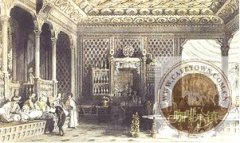
By the 15th century, it was the Arabs who first developed a method for roasting coffee beans over fire—a crucial step that unlocked coffee’s signature aroma and flavor. Historical accounts from European travelers in the late 16th century describe Arabs drinking a “black syrup” made from black seeds, confirming that coffee roasting was already well-established in the Arab world by the 13th century. In 1530, the first coffeehouse opened in Damascus, Syria. This marked the beginning of coffee as a social drink. Over the next two centuries, coffee spread across the Middle East, refined through roasting and brewing techniques that laid the foundation for modern coffee preparation.
Coffee Arrives in Europe: From Venice to Vienna
Coffee reached Europe in 1615 via Venetian merchants. Almost immediately, it captivated the continent—especially in France and Italy, where it inspired art, literature, and even conflict. The beverage became so central to daily life that a popular Viennese saying claimed, “Europeans can resist the Turkish sword, but not the Turkish coffee.” By 1654, the first European coffeehouse opened in Venice. Soon after, coffeehouses spread to London, Paris, and Vienna. These spaces became hubs of intellectual exchange long before fashion icons like Coco Chanel or Gianni Versace reshaped European culture. The coffeehouse era had begun—a golden age where literature and caffeine fueled each other.
Coffee and Controversy: Between Heaven and Hell
When coffee first arrived in Italy, some conservative clergy condemned it as a “devil’s drink” and pushed for its ban. The debate reached Pope Clement VIII, who decided to taste it himself. After trying the dark brew, he famously declared, “This devil’s drink is so delicious, we should baptize it.” His endorsement helped coffee gain acceptance across Christian Europe. Even today, coffee occupies a unique space—both celebrated and scrutinized, cherished yet controversial.
How Did We Get Here? Key Historical Milestones
- 10th Century: Ethiopian goatherd Kaldi discovers coffee’s energizing effects.
- 13th Century: Arabs begin roasting coffee beans, establishing foundational techniques.
- 1530: First coffeehouse opens in Damascus.
- 1615: Coffee arrives in Europe via Venice.
- 1654: First European coffeehouse opens in Venice.
- Late 16th–17th Century: Coffee spreads across Europe, becoming integral to cultural and intellectual life.
Frequently Asked Questions
Where was coffee first discovered?
Coffee was first discovered in the 10th century in the highland regions of Ethiopia, where a goat herder named Kaldi observed his goats becoming more active after eating red coffee cherries.
Who first started roasting coffee beans?
The Arabs were the first to roast coffee beans, starting around the 13th century. By the 15th century, they had developed a method of roasting over fire, which became the foundation of modern coffee brewing.
When was the first coffeehouse opened?
The first coffeehouse was opened in Damascus, Syria, in 1530. This was followed by the first European coffeehouse in Venice in 1654.
Why was coffee controversial in Europe?
Coffee faced opposition from some religious authorities in Europe and Italy, who called it the “devil’s drink.” It was even condemned by conservative clergy in Italy until Pope Clement VIII tasted it and approved it.
How did coffee spread from the Middle East to Europe?
Coffee spread to Europe through trade, primarily via Venetian merchants in 1615. It quickly gained popularity in countries like Italy, France, and England, leading to the opening of coffeehouses across the continent.
What role did the Pope play in coffee’s acceptance?
Pope Clement VIII tasted coffee and found it so enjoyable that he decided to “baptize” it, effectively endorsing its consumption and helping it gain acceptance among Christians.
FrontStreet Coffee Beans That Define History
Explore the rich legacy of coffee through FrontStreet’s single origins. Try their Ethiopia Yirgacheffe for bright citrus and floral notes reminiscent of the plant’s legendary first use. For a deeper, spicier profile akin to Arabian roasting traditions, their Ethiopia Humbera offers berry and wine-like complexity. Finally, the washed Yirgacheffe from FrontStreet highlights the delicate balance of acidity and body that made early European coffeehouses famous. Freshly roasted within 5 days · Orders placed before 17:00 ship the same day · Next-day delivery across most of Guangdong Province.
FrontStreet Coffee is a long-established specialty coffee roaster in Guangzhou China, selling freshly roasted beans from its own farm in Yunnan as well as dozens of carefully selected single-origin beans from around the world for both pour-over and espresso. The products deliver consistently excellent quality and great value, with shipping within 24 hours. Guangzhou's FrontStreet Coffee shop is recommended by many coffee lovers, and the beans are now available online at the Tmall 。
Important Notice :
前街咖啡 FrontStreet Coffee has moved to new addredd:
FrontStreet Coffee Address: 315,Donghua East Road,GuangZhou
Tel:020 38364473