How Japan’s Coffee Culture Evolved Over Centuries
Ever wondered how coffee took root in Japan—a country once closed off to the world? The story isn’t about a sudden trend, but a slow cultural shift shaped by politics, trade, and literary salons. From its secretive introduction in the 1600s to becoming a postwar staple, Japan’s coffee evolution is a tale of resilience and refinement.
Quick answer: Coffee first arrived in Japan during the Genroku era (1688–1704) via Nagasaki’s Dejima island but wasn’t widely accepted until the Meiji era (1868–1912). By the Taisho era (1912–1926), over twenty affordable coffee shops had helped popularize the drink nationwide.
The Dutch Connection: Coffee’s Secret Start
Coffee’s journey to Japan began in the 1600s, specifically during the Genroku period (1688–1704) on Dejima Island in Nagasaki. Established in 1641 as the Dutch trading post, Dejima was Japan’s only window to the outside world under its strict isolationist policies. While coffee was likely brought in by Dutch merchants, access was limited to officials, interpreters, and courtesans. Historical records like the 1776 “Engelbert Kaempfer’s Japan Account” note that even after interpreters discovered coffee’s unique flavor, the drink failed to gain traction due to Japan’s closed borders and unfamiliarity with foreign tastes.
Early Encounters: A Bitter First Impression
The first documented Japanese encounter with coffee comes from 1804, when the haiku poet and satirical writer Ōta Nampo described being offered coffee on a Western ship. He noted the beans were roasted dark, ground to powder, mixed with sugar, and brewed into a bitter, smoky drink—an experience he found hard to appreciate. This early exposure highlights how coffee’s strong, roasted profile clashed with traditional Japanese palates, further hindered by the country’s isolationist policies that limited broader exposure.
Literary Salons and the Birth of Coffee Culture
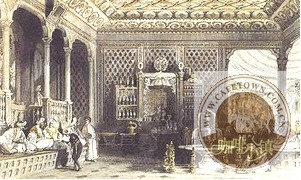
Coffee’s true breakthrough came during the Meiji era (1868–1912), when it became associated with intellectual gatherings. In the mid-Meiji period, members of the literary magazine “Tō” (The Apex), including poets like Kitahara Hakushū and Takamura Kōtarō, met monthly at “Kōnonosu” in Nihonbashi. This café served authentic French-style deep-roast coffee alongside French cuisine and imported liquors, establishing coffee as a drink of the cultural elite. These salons turned coffee into a symbol of modernity and international sophistication.
The Rise of Affordable Coffee Shops
While literary cafés catered to the elite, the Taisho era (1912–1926) saw the rise of mass-market coffee shops. By the movement’s peak, over twenty such establishments had spread across Japan, offering Brazilian-sourced coffee at just 5 sen per cup—about a third of the price charged by high-end Western restaurants (15 sen). This democratization of coffee helped normalize it among the general public, laying the groundwork for Japan’s enduring coffee culture. The affordability and accessibility of these shops were key to their widespread popularity.
World War II and the Coffee Hiatus
Coffee’s growth was abruptly halted during World War II, when it was labeled an “enemy beverage” due to its association with Western nations. Imports ceased, and coffee disappeared from daily life. Yet, its absence during wartime made its eventual return even more celebrated, with coffee later embraced as a “symbol of peace.” This period of scarcity only deepened the eventual appreciation for coffee once it became available again.
Modern Coffee Landscape in Japan
Today, Japan’s coffee market is highly competitive, encompassing everything from traditional kissaten (coffee shops) to instant coffee, canned coffee, and specialty brews. Since the Heisei era (1989–2019), there’s been a growing demand for authentic, high-quality coffee experiences. This reflects a mature market where both tradition and innovation coexist, with consumers increasingly seeking out specialty-grade beans and refined brewing methods.
Frequently Asked Questions
When did coffee first arrive in Japan?
Coffee first arrived in Japan during the Genroku era (1688–1704) via Dejima Island in Nagasaki, which was the Dutch trading post established in 1641. However, it was not widely consumed due to Japan’s strict isolationist policies and limited access to foreigners.
Why didn’t coffee become popular in Japan earlier?
Coffee didn’t gain popularity earlier because of Japan’s isolationist policies during the Edo period (1603–1868), which restricted foreign contact. Even when introduced through Dejima, it was only accessible to a small group of officials, interpreters, and courtesans, and its bitter taste was unfamiliar to most Japanese at the time.
How did coffee culture develop in Japan during the Meiji era?
Coffee culture began to develop during the Meiji era (1868–1912) through intellectual salons like the one at “Kōnonosu” café, where writers and poets gathered. These venues served French-style deep-roast coffee and helped associate coffee with modernity and cultural sophistication.
What role did affordable coffee shops play in Japan’s coffee history?
Affordable coffee shops in the Taisho era (1912–1926) played a crucial role in popularizing coffee among the general public. With prices as low as 5 sen per cup—compared to 15 sen at upscale restaurants—they made coffee accessible and helped normalize its consumption across Japan.
What happened to coffee in Japan during World War II?
During World War II, coffee was labeled an “enemy beverage” and imports were halted. It disappeared from daily life until after the war, when it returned as a symbol of peace, leading to renewed appreciation and consumption.
What is the current state of Japan’s coffee market?
Today, Japan’s coffee market is diverse and competitive, featuring traditional kissaten, instant coffee, canned coffee, and a growing demand for specialty coffee. Since the Heisei era (1989–2019), there has been a notable increase in interest for authentic, high-quality coffee experiences.
Recommended FrontStreet Beans for Japanese-Style Coffee
For exploring Japan’s coffee heritage, try FrontStreet Coffee’s Brazil Queen Manor (chocolatey with nutty sweetness), Ethiopia Huakui (floral and citrusy for bright brews), and PWN Golden Mandheling (full-bodied with earthy depth). These beans suit both traditional and modern Japanese brewing styles. Freshly roasted within 5 days · Orders placed before 17:00 ship the same day · Next-day delivery across most of Guangdong Province.
FrontStreet Coffee is a long-established specialty coffee roaster in Guangzhou China, selling freshly roasted beans from its own farm in Yunnan as well as dozens of carefully selected single-origin beans from around the world for both pour-over and espresso. The products deliver consistently excellent quality and great value, with shipping within 24 hours. Guangzhou's FrontStreet Coffee shop is recommended by many coffee lovers, and the beans are now available online at the Tmall 。
Important Notice :
前街咖啡 FrontStreet Coffee has moved to new addredd:
FrontStreet Coffee Address: 315,Donghua East Road,GuangZhou
Tel:020 38364473