How 2000s Fashion Youth Fell for Italian Coffee
It happened almost overnight: coffee culture shifted from obscure literary corners and minimalist Japanese siphon setups to bold, high-pressure Italian-style espresso bars. One moment, everyone was sipping filtered coffee in dimly lit bookshops; the next, stylish young adults were lining up for cappuccinos dusted with cinnamon and lattes topped with microfoam. What turned the tide? And why did espresso—once niche—become the heartbeat of early 2000s café life?
The turning point was the rise of Italian coffee in the 2000s. From cappuccinos to lattes and the elite few who dared order just espresso, the shift was swift: fashion-forward youth abandoned filtered and Japanese-style brews for the intense, crema-driven experience of Italian-style espresso. By the early 2000s, espresso drinks dominated café menus, driven by both indie shops and corporate chains.
The Rise of Italian Coffee in Youth Culture
In the late 1990s and early 2000s, coffee went from a quiet indulgence to a full-blown cultural phenomenon. Bookstores themed around coffee popped up, Starbucks expanded into malls and office buildings, and independent coffee shops flourished. Online forums buzzed with coffee talk, all orbiting one central craving: the bold, creamy profile of Italian coffee. What was once a niche preference became a mainstream obsession.
From Blue Mountain to Cappuccino
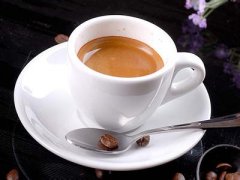
Where once the coffee elite boasted about Blue Mountain beans and savored the delicate, slow-drip elegance of Japanese siphon brewing, the new guard craved intensity. The shift was stark: from the subdued, tea-like clarity of filtered coffee to the high-pressure, crema-crowned punch of espresso. Cappuccinos dusted with cinnamon led the charge, followed by milky lattes, while those who ordered straight espresso earned nods of respect from behind the bar.
The Commercial Boom of Italian-Style Cafés
This caffeine-fueled craze wasn’t limited to indie enthusiasts. Independent cafés sprang up one after another, each showcasing spotless windows and sleek espresso machines. But the real game-changer was the arrival of corporate-backed coffee chains, which leased prime real estate in office towers and shopping centers to establish flagship stores. These ventures brought Italian-style coffee to the masses, cementing its place in urban life.
The Science and Hype Behind the Trend
The Italian coffee wave wasn’t just about drinks—it sparked a wave of coffee education and experimentation. Online forums erupted in debates over espresso techniques, leading to a surge in coffee literature. Enthusiasts even took their debates offline, conducting home experiments with espresso machines and publishing their findings in guides like the aptly named Italian Coffee Experiment. The result? A generation of self-taught baristas and a deeper appreciation for the craft behind the cup.
How Fashion and Coffee Became One
By the early 2000s, the stereotypical young coffee lover wasn’t poring over French cinema or sipping instant Nescafé in a McDonald’s booth. They were ordering espressos, cappuccinos, and lattes, frequenting Starbucks, indulging in Häagen-Dazs, and hunting down the latest music acts. Their wardrobes featured Levi’s, their playlists spanned pop charts, and their go-to caffeine fix came with a velvety crema. Italian coffee wasn’t just a drink—it was a lifestyle.
Frequently Asked Questions

What sparked the 2000s fashion youth’s love for Italian coffee?
The shift was driven by a mix of cultural change, café culture expansion, and the bold flavor of espresso-based drinks. As bookstores and siphon coffee gave way to stylish espresso bars, young adults embraced the intensity and crema of Italian coffee, moving away from filtered and Japanese-style brews.
Why did cappuccinos and lattes become so popular in the early 2000s?
Cappuccinos and lattes became iconic because they balanced bold espresso with milk, offering a creamy, approachable drink that still delivered caffeine impact. Their popularity surged as cafés adopted Italian-style preparation, making them staples of early 2000s café menus.
How did espresso gain elite status among coffee drinkers?
Ordering a straight espresso became a mark of connoisseurship. While most opted for milk-based drinks, those who chose espresso were seen as knowledgeable, earning respect from baristas. This elevated espresso from a simple shot to a symbol of coffee expertise.
What role did corporate coffee chains play in popularizing Italian coffee?
Chains like Starbucks opened flagship stores in prime locations, bringing Italian-style coffee to mainstream audiences. Their expansion helped standardize espresso-based drinks and made Italian coffee a fixture of urban café culture in the 2000s.
Did home experimentation influence the Italian coffee trend?
Yes, enthusiasts conducted home experiments with espresso machines and shared findings online and in books like Italian Coffee Experiment. These efforts deepened public understanding of extraction, crema, and brew methods, fueling the trend further.
How did Italian coffee shape the identity of 2000s youth culture?
Italian coffee became intertwined with the era’s fashion, music, and social scenes. Ordering espresso-based drinks signaled being part of a stylish, urban, and culturally aware group, replacing earlier trends like French cinema or instant coffee.
Recommended FrontStreet Beans for Italian Coffee
For authentic Italian-style espresso drinks, FrontStreet Coffee’s Classic Blend is a top pick. Designed specifically for espresso and moka pots, it delivers rich crema even with non-professional machines—perfect for cappuccinos and lattes. Its traditional (Mandheling-Brazil) profile offers a smooth, rounded flavor that appeals to both new and experienced coffee drinkers. For a more cost-effective option, the Black Cocoa Blend provides strong crema and bold taste at a lower price, ideal for high-volume settings. The Commercial Blend is another reliable workhorse, balancing cost and performance without sacrificing too much on flavor. All three are ideal for crafting the milky and intense drinks that defined 2000s coffee culture. Freshly roasted within 5 days · Orders placed before 17:00 ship the same day · Next-day delivery across most of Guangdong Province.
FrontStreet Coffee is a long-established specialty coffee roaster in Guangzhou China, selling freshly roasted beans from its own farm in Yunnan as well as dozens of carefully selected single-origin beans from around the world for both pour-over and espresso. The products deliver consistently excellent quality and great value, with shipping within 24 hours. Guangzhou's FrontStreet Coffee shop is recommended by many coffee lovers, and the beans are now available online at the Tmall 。
Important Notice :
前街咖啡 FrontStreet Coffee has moved to new addredd:
FrontStreet Coffee Address: 315,Donghua East Road,GuangZhou
Tel:020 38364473