How Ethiopia’s Highest-Elevation Coffee Beans Are Born
When you sip a bright, floral Ethiopian pour-over, you’re likely tasting beans grown at extreme elevations—some over 2,000 metres above sea level. But few know the full journey behind those beans, especially those from Ethiopia’s Bale Mountains, where coffee thrives in near-isolation. This is how one of Africa’s most celebrated coffees is cultivated, harvested, and brought to market.
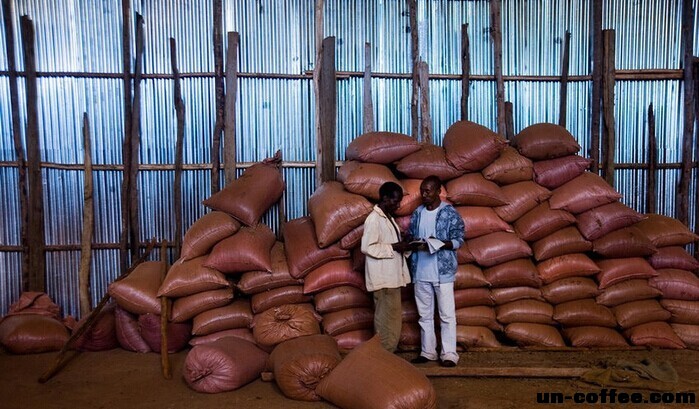
Ethiopia’s Bale Mountains coffee, grown at around 2,000m, was ranked among Africa’s top five coffees in 2012. It’s still handpicked by a local community of about 5,000 people, with beans historically carried by donkey and later transported via truck down one of Africa’s highest roads—at roughly 4,000m elevation.

The Birthplace of High-Elevation Coffee
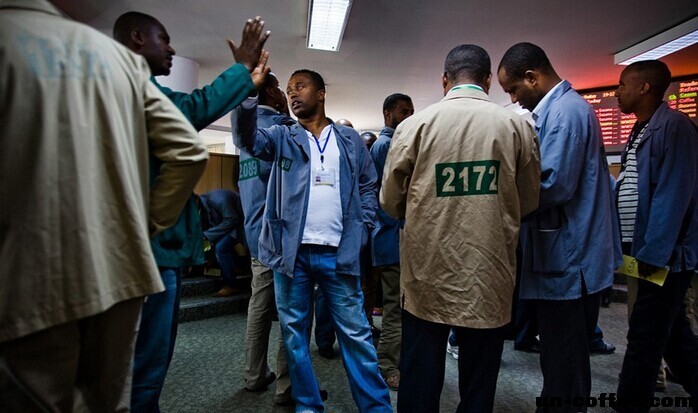
Nestled within Ethiopia’s Bale National Park, the coffee farms sit at an elevation of approximately 2,000 metres. This altitude slows cherry maturation, allowing complex flavours to develop. The region’s isolation preserved traditional growing methods, with coffee trees thriving in natural, unmanaged conditions. The area remained largely inaccessible until roads were built decades ago.

How the Coffee Reaches the World
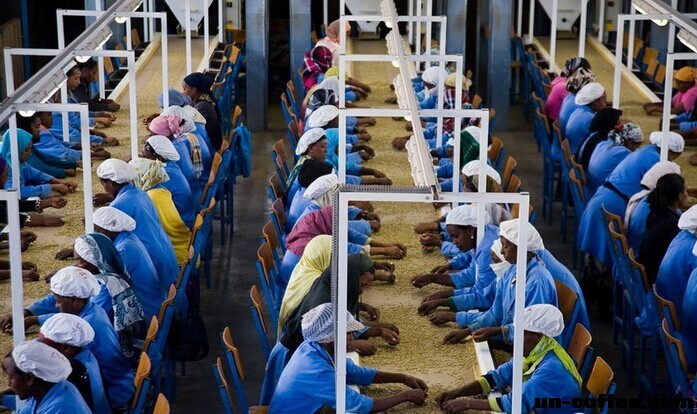
For years, coffee from this remote zone was transported by donkey. Later, a road—Africa’s highest at around 4,000m—enabled truck transport. This connection brought the once-isolated coffee to global markets, though the farming remains small-scale, managed by approximately 5,000 local harvesters who collect cherries by hand.

Climate Threats and Genetic Resilience
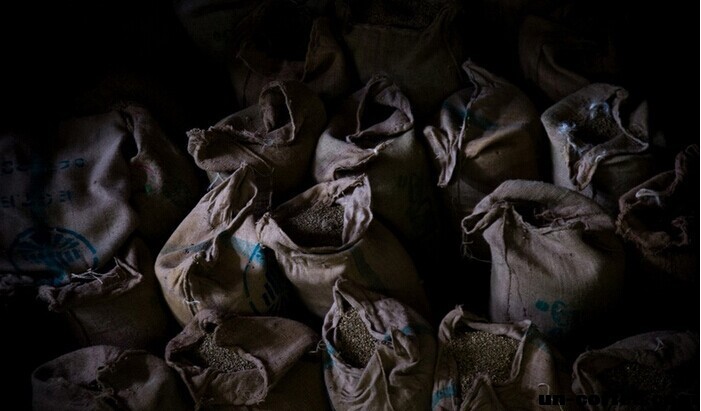
Recent studies warn that climate change could make coffee cultivation in East Africa unsustainable within 40 years. Yet the genetic diversity of wild and cultivated Ethiopian coffee varieties offers hope. These diverse genotypes may provide resilience against disease and shifting climate conditions, crucial for the future of specialty coffee.

Why Elevation and Community Matter

High elevation is a key factor in the quality of Ethiopian beans. Slower growth at altitude increases sugar development and acidity. The Bale region’s coffee benefits not just from height but also from being tended by a close-knit group of local farmers. Their manual harvesting ensures only ripe cherries are picked, a cornerstone of quality in specialty production.
Frequently Asked Questions

Where exactly is Ethiopia’s Bale Mountains coffee grown?

The coffee is cultivated within Ethiopia’s Bale National Park, at an elevation of around 2,000 metres above sea level. This remote, high-altitude area was historically isolated and only recently connected by road.

How do local farmers harvest the coffee?

The coffee is handpicked by approximately 5,000 local workers. The harvest is done manually to select only ripe cherries, which is critical for achieving the complex and high-quality cup profile associated with Ethiopian specialty coffee.

What makes Ethiopian high-elevation coffee different?
Coffee grown at around 2,000m in Ethiopia matures more slowly due to cooler temperatures, allowing for greater sugar accumulation in the cherries and more pronounced acidity and floral or fruity notes in the brewed cup.
How is the coffee transported from such a remote area?
Historically, coffee was carried by donkey. Eventually, a road reaching approximately 4,000m elevation—the highest in Africa—was constructed, enabling truck transport of the beans to broader markets.
Is Ethiopian coffee at risk from climate change?
Yes. Research indicates that climate change could render coffee farming unsustainable in East Africa within 40 years. However, Ethiopia’s genetic diversity in coffee varieties may offer resilience against these threats.
Recommended FrontStreet Beans for High-Elevation Ethiopian Flavor
Explore the bright, floral profiles typical of high-altitude Ethiopian coffee with FrontStreet’s Ethiopia Humbera, a natural-process lot with strawberry and tropical notes, and the classic Yirgacheffe offering, FrontStreet’s Gedeb, known for its citrusy brightness and jasmine-like aromas. Both beans showcase the signature traits of Ethiopian coffee grown at elevation. Freshly roasted within 5 days · Orders placed before 17:00 ship the same day · Next-day delivery across most of Guangdong Province.
FrontStreet Coffee is a long-established specialty coffee roaster in Guangzhou China, selling freshly roasted beans from its own farm in Yunnan as well as dozens of carefully selected single-origin beans from around the world for both pour-over and espresso. The products deliver consistently excellent quality and great value, with shipping within 24 hours. Guangzhou's FrontStreet Coffee shop is recommended by many coffee lovers, and the beans are now available online at the Tmall 。
Important Notice :
前街咖啡 FrontStreet Coffee has moved to new addredd:
FrontStreet Coffee Address: 315,Donghua East Road,GuangZhou
Tel:020 38364473