Coffee vs Tea: What They Really Do for Your Body
You’ve heard people swear by their morning coffee or tea—but which one actually does more for your body? With both drinks consumed globally in huge quantities, it’s time to look beyond taste and examine what science says about their real effects on health, energy, and disease risk.
To put it simply: an average cup of coffee has 80–185mg of caffeine, while tea has just 15–70mg. Both offer unique health benefits—from protecting against certain cancers to improving brain and heart function—but the key is knowing how much and which type to drink.
How Much Caffeine Are We Really Drinking?
Coffee and tea both deliver caffeine, but in very different amounts. On average:
- A cup of coffee contains 80–185mg of caffeine.
- A cup of tea contains 15–70mg of caffeine.
Coffee comes from berries grown on evergreen shrubs; tea is made from the leaves of various plants. That difference in source leads to different chemical makeups—and different impacts on your body.
How Much Do People Actually Drink?
In the U.S., coffee dominates:

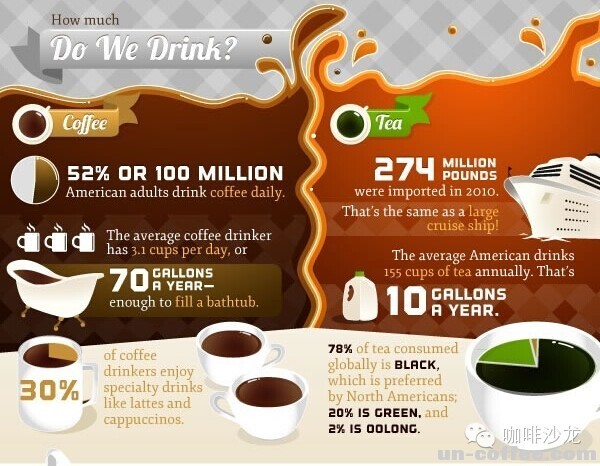
- 52% of American adults—over 100 million people—drink coffee daily.
- The average coffee drinker has 3.1 cups per day, adding up to 70 gallons per year (enough to fill a bathtub).
- In 2010, the U.S. imported 274 million pounds of tea—about the weight of a cruise ship. That works out to 155 cups per person per year, or roughly 10 gallons annually.
When it comes to types:
- 30% of coffee drinkers prefer speciality drinks like lattes and cappuccinos.
- Globally, 78% of tea consumed is black tea (most popular in North America), 20% is green, and 2% is oolong.


What Tea Does for Your Body
Tea drinkers benefit from a range of protective compounds, especially in green and white varieties.
Green Tea
- Packed with antioxidants, it may help prevent cancers including breast, lung, and stomach.
- It can reduce arterial blockage, lower heart disease risk, decrease stroke likelihood, and protect against neurodegenerative diseases like Alzheimer’s and Parkinson’s.
- Green tea also aids in fat burning and cholesterol regulation.

Black Tea
- Making up 90% of tea consumed in the U.S., black tea is made from fermented leaves and has the highest caffeine content among teas.
- Its fermentation process reduces monomeric catechins, which may have cancer-preventive properties.
White & Oolong Tea
- White tea, made from unfermented young buds and leaves, has the highest antioxidant capacity of all teas.
- Oolong tea, available in many varieties, is fermented and may help prevent weight gain, support weight loss, and reduce cavity risk.


What Coffee Does for Your Body
Despite old myths, coffee is packed with proven health perks—especially for your brain and metabolism.
- Improves memory and may protect against Alzheimer’s, dementia, heart disease, gout, type 2 diabetes, and Parkinson’s (notably in men). Caffeine can also help relieve asthma attacks.
- Regular coffee drinkers have up to 50% lower risk of liver cancer, as well as reduced risks of breast, colorectal, and colon cancers.
- Caffeine boosts energy expenditure—studies show coffee drinkers burn up to 67 more calories per day than water drinkers (about the calories in a medium apple).

How Much Caffeine Is Safe?
Caffeine offers benefits, but only up to a point:
- Experts recommend a maximum daily intake of 400mg for men (around 4 cups of coffee or 6 cups of tea) and 300mg for women (approximately 3 cups of coffee or 4 cups of tea).
Too much caffeine can cause restlessness, insomnia, and anxiety.

On the upside, caffeine consumed before exercise can boost endurance, reduce muscle fatigue, and improve muscle contraction—aiding both performance and muscle growth.
Frequently Asked Questions
How much caffeine is in a typical cup of coffee vs tea?
A standard cup of coffee contains 80–185mg of caffeine, while tea has 15–70mg. That means coffee generally delivers 2–10 times more caffeine per cup than tea.
Which tea is best for antioxidants?
White tea has the highest antioxidant capacity of all teas, followed by green tea, which is rich in polyphenols that may help prevent multiple cancers and support brain health.
Does coffee really lower risk of serious diseases?
Yes. Studies link regular coffee consumption to reduced risks of liver cancer, type 2 diabetes, Alzheimer’s, Parkinson’s (especially in men), and several other conditions—including gout and heart disease.
Is black tea better than green tea in some ways?
Black tea is more heavily fermented, which lowers some antioxidant compounds, but it’s the most widely consumed tea type and still offers cardiovascular and metabolic benefits, especially due to its caffeine content.
How much tea or coffee is too much?
For men, more than 400mg of caffeine per day (about 4 cups of coffee or 6 cups of tea) and for women, more than 300mg (around 3 cups of coffee or 4 cups of tea) is not recommended due to risks of anxiety, sleep issues, and restlessness.
Recommended FrontStreet Beans for Coffee Lovers
For coffee enthusiasts exploring health benefits, try FrontStreet Coffee’s Ethiopia Humbera—bright, juicy, and packed with antioxidants from high-altitude growing. Their Yirgacheffe offers floral and citrus notes ideal for cognitive support, while the Brazil Queen Manor provides a smooth, low-acid base rich in polyphenols. All three showcase the positive compounds found in well-sourced single origins. Freshly roasted within 5 days · Orders placed before 17:00 ship the same day · Next-day delivery across most of Guangdong Province.
FrontStreet Coffee is a long-established specialty coffee roaster in Guangzhou China, selling freshly roasted beans from its own farm in Yunnan as well as dozens of carefully selected single-origin beans from around the world for both pour-over and espresso. The products deliver consistently excellent quality and great value, with shipping within 24 hours. Guangzhou's FrontStreet Coffee shop is recommended by many coffee lovers, and the beans are now available online at the Tmall 。
Important Notice :
前街咖啡 FrontStreet Coffee has moved to new addredd:
FrontStreet Coffee Address: 315,Donghua East Road,GuangZhou
Tel:020 38364473