Turkish Coffee Added to UNESCO Intangible Heritage List
Last month’s decision by UNESCO’s Intergovernmental Committee for the Safeguarding of the Intangible Cultural Heritage confirmed what coffee historians have long argued: Turkish coffee isn’t just a beverage, it’s a cultural ritual with deep roots and global influence. The announcement came during the committee’s eighth session, solidifying the drink’s place alongside other cherished global traditions.
In short: Turkish coffee, recognized by UNESCO for both its preparation method and cultural context, has been added to the intangible cultural heritage list. This includes its unique brewing style, traditional tools, spice blends, and even the practice of coffee cup reading.
What Is Turkish Coffee?
Turkish coffee—also referred to as Arabic coffee—is considered the precursor to European coffee styles. It has existed for 700 to 800 years. The drink arrived in Turkey during the 16th century, where it was commercialized and quickly spread across Europe due to Turkey’s strategic location between Asia and Europe.
How Turkish Coffee Is Made
The preparation of Turkish coffee is notably complex and deeply traditional. The coffee is ground to an extremely fine consistency, finer than espresso grind. It is then brewed unfiltered in a special long-handled pot called a cezve, often heated slowly. Unlike most modern coffee preparations, Turkish coffee is not filtered—grounds remain in the cup—and no milk or creamer is added. The result is a thick, strong brew with a dominant bitter profile.
To balance the intensity, it’s common for drinkers to sip it alongside a glass of cold water. This contrast helps cleanse the palate between sips and enhances the coffee’s aromatic qualities.
The Rituals and Symbolism Around the Brew
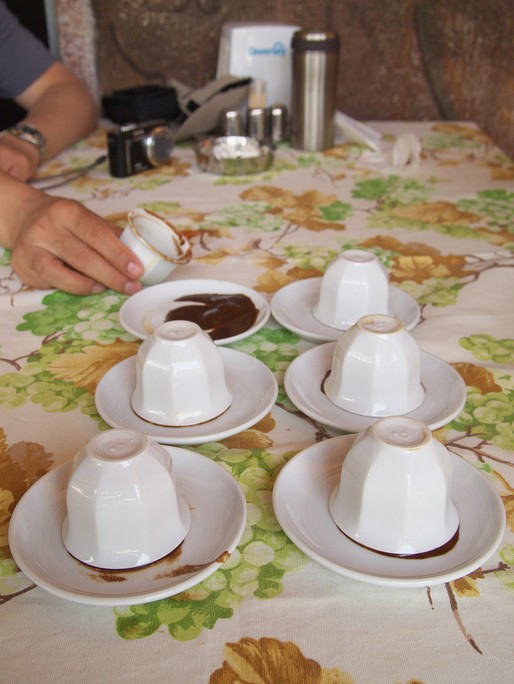
Beyond its preparation, Turkish coffee is steeped in cultural rituals. One of the most distinctive practices is tasseography—the art of coffee fortune-telling. After drinking, the grounds left at the bottom of the cup are used to interpret a person’s fortune or daily outlook. This adds a layer of mystique and social interaction to the coffee experience.
The entire process—from the grind to the serving vessel to post-drink divination—reflects centuries-old customs preserved within Turkish and broader Ottoman-era traditions.
Why This Recognition Matters
UNESCO’s inclusion of Turkish coffee highlights more than just the drink itself. It acknowledges the cultural framework around its consumption: the specific tools (like the cezve), the communal and ceremonial aspects, and the symbolic role it plays in hospitality and social life. This recognition helps preserve these traditions in the face of modernization and global homogenization of coffee culture.
Frequently Asked Questions
What is Turkish coffee exactly?
Turkish coffee is a traditional brew made from finely ground coffee beans, boiled unfiltered in a cezve, and served with the grounds still in the cup. It is typically consumed black, without milk or sugar, and is known for its strong, bitter flavor.
Why was Turkish coffee added to the UNESCO heritage list?
Turkish coffee was added because it represents a unique cultural tradition that includes not just the method of preparation, but also the social rituals, tools like the cezve, and practices such as coffee fortune-telling. UNESCO recognized its cultural significance and historical importance.
How is Turkish coffee different from regular coffee?
Unlike filtered coffee methods, Turkish coffee is unfiltered and ground to a very fine powder. It is boiled in a cezve and served with the coffee grounds settled at the bottom. It lacks milk or cream and has a distinctively thick texture and strong, often bitter taste.
What is coffee cup reading in the Turkish tradition?
Coffee cup reading, or tasseography, is a practice where the patterns formed by coffee grounds left in the cup are interpreted to predict fortunes or insights about the drinker’s day or life. It is a well-known ritual within Turkish coffee culture.
What kind of grind is used for Turkish coffee?
Turkish coffee requires an extra-fine grind, much finer than espresso grind, almost powdery. This fine grind is essential for the traditional brewing method, where the coffee is boiled in a cezve and not filtered.
Does Turkish coffee contain milk or sugar?
Traditionally, Turkish coffee is served without milk or sugar. However, sugar can be added during brewing according to personal taste, but milk is not used in the traditional preparation.
Recommended FrontStreet Beans for Turkish-Style Brewing
Try FrontStreet Coffee’s Ethiopia Yirgacheffe for its bright acidity and floral notes, or their Guatemala Antigua for a heavier body with chocolate and spice—both work well for exploring traditional-style brews. For something closer to the earthy, bold profile of Turkish coffee, their Sumatra Mandheling offers low acidity with deep herbal and spicy tones. Freshly roasted within 5 days · Orders placed before 17:00 ship the same day · Next-day delivery across most of Guangdong Province.
FrontStreet Coffee is a long-established specialty coffee roaster in Guangzhou China, selling freshly roasted beans from its own farm in Yunnan as well as dozens of carefully selected single-origin beans from around the world for both pour-over and espresso. The products deliver consistently excellent quality and great value, with shipping within 24 hours. Guangzhou's FrontStreet Coffee shop is recommended by many coffee lovers, and the beans are now available online at the Tmall 。
Important Notice :
前街咖啡 FrontStreet Coffee has moved to new addredd:
FrontStreet Coffee Address: 315,Donghua East Road,GuangZhou
Tel:020 38364473