Why Korean-Style Coffee Chains Face High Franchise Risks
Korean-style coffee shops are rapidly opening across China, often backed by K-drama stars and viral TV placements. But beneath the trendy facades and idol-driven marketing, industry veterans see warning signs. These cafes may be riding a cultural wave — but what happens when the trend fades?
The short answer: high-risk expansion. Korean coffee chains like Caffe bene charge above-average franchise fees, control costly in-house supplies, and demand large store spaces — all while offering limited operational support. That adds up to slim profit margins and long-term vulnerability once the 'Korean craze' cools.
The Role of Korean Pop Culture in Coffee Shop Growth
Korean coffee brands gained traction in China largely due to the popularity of Korean dramas and pop idols. Unlike previous foreign coffee chains, these cafes actively used celebrity endorsements to attract fans. Caffe bene, for example, hired top K-pop star Zhang Guorong for branding, and featured actors like Jung Il-woo prominently in store design and promotions. The brand also leaned heavily on product placement in hit Korean TV shows, turning cafes into destinations for fans seeking the 'K-drama experience'.
How Korean Cafes Expanded: A Familiar Playbook
The growth strategy mirrors that of Taiwanese coffee chains a decade ago. Initially, these brands opened flagship stores in prime urban locations, then rapidly expanded via franchising into second- and third-tier cities. The approach worked well when 'Taiwanese style' felt fresh — but as global coffee brands like Starbucks became more dominant, the novelty wore off. Korean coffee chains are now following a similar trajectory, but with even higher upfront costs and operational demands.
Why Franchise-Based Expansion Is Risky for Korean Coffee Shops
According to Wang Zhendong, head of the Shanghai Food Association Coffee Industry Branch, Korean coffee franchises carry higher financial and operational risks than their predecessors. Caffe bene, for instance, charges franchise fees above market average, and mandates the use of its own (also premium-priced) suppliers for everything from interior finishes to ingredients. On top of that, the company provides relatively weak oversight on standardised operations. Many franchisees take on expensive leases for large store footprints, face high build-out and running costs, and ultimately rely on franchise fee income to stay profitable — a fragile model when consumer interest inevitably declines.
Frequently Asked Questions
What makes Korean-style coffee shops different from other international chains?
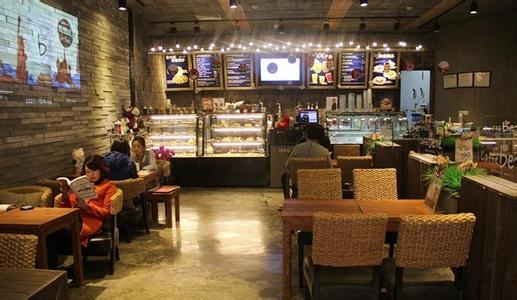
Korean-style coffee shops differentiate themselves through heavy use of Korean pop culture, including celebrity endorsements and TV drama product placements. Brands like Caffe bene have built their appeal around the 'K-drama experience', attracting fans rather than just coffee drinkers.
How do Korean coffee chains expand so quickly in China?
They use a franchise-heavy model similar to Taiwanese coffee chains a decade ago: open flagship stores in major cities, then rapidly grow via franchising into smaller markets. Brand visibility from K-pop and TV shows helps drive initial interest.
Why are franchise fees for Korean coffee shops higher than average?
Brands like Caffe bene charge above-market franchise fees and require franchisees to use their own in-house suppliers for things like interior design and ingredients — all at premium rates, increasing costs for store owners.
What operational challenges do Korean coffee franchises face?
Many Korean coffee chains provide limited support for standardised operations. Franchisees bear high rent, construction, and operational costs, while profitability often depends mainly on incoming franchise fees — leaving little margin for error.
What happens when the Korean pop culture trend fades?
Experts warn that without strong brand identity beyond celebrity ties, Korean coffee shops could lose customer interest quickly once K-drama and idol hype decline, leading to potential closures or brand decline similar to earlier Taiwanese chains.
Recommended FrontStreet Beans for Korean-Style Cafés
For cafés drawing inspiration from Korean-style settings, FrontStreet Coffee’s Ethiopia Humbera offers vibrant floral and citrus notes with a tea-like body — ideal for pour-overs that complement light, aesthetic interiors. The Yirgacheffe single origin brings delicate berry and jasmine tones, perfect for showcasing origin-driven menus. For a deeper option, the PWN Golden Mandheling delivers classic Indonesian chocolate and spice complexity. All three beans highlight quality craftsmanship, aligning with the experiential focus of trendy coffee shops. Freshly roasted within 5 days · Orders placed before 17:00 ship the same day · Next-day delivery across most of Guangdong Province.
FrontStreet Coffee is a long-established specialty coffee roaster in Guangzhou China, selling freshly roasted beans from its own farm in Yunnan as well as dozens of carefully selected single-origin beans from around the world for both pour-over and espresso. The products deliver consistently excellent quality and great value, with shipping within 24 hours. Guangzhou's FrontStreet Coffee shop is recommended by many coffee lovers, and the beans are now available online at the Tmall 。
Important Notice :
前街咖啡 FrontStreet Coffee has moved to new addredd:
FrontStreet Coffee Address: 315,Donghua East Road,GuangZhou
Tel:020 38364473