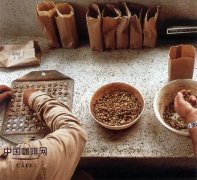
How Coffee Beans Are Hulled Before Export
When you buy green coffee beans, you might assume they arrive ready to roast just as they were picked. But before export, nearly every arabica or robusta bean undergoes a critical step: hulling, where the tough inner parchment layer—or husk—is removed. This isn’t just about cleaning; it’s essential for proper roasting and flavor development.
The short answer? Most beans are hulled after wet or dry processing, with wet-processed ‘parchment coffee’ requiring more delicate machinery due to higher moisture content and tighter adherence of the inner hull. Different hullers—like friction, pressure, or roller types—are used depending on moisture levels and bean origin.
What Does Hulling Actually Mean?
Hulling, also called dehulling or de-pulping (though strictly de-pulping refers to removing the outer fruit), is the process of removing the inner parchment layer that surrounds the green coffee bean after it has been processed. For export, this layer must be fully removed, leaving just the clean, hard bean ready for roasting. What remains after washing and drying the inner skin is also referred to as the hull, and removing it is essential whether you’re dealing with washed or natural process beans.
Wet vs Dry Processing: Why Hulling Methods Differ
The difficulty of removing the inner parchment depends heavily on how the coffee was originally processed. Wet-processed beans—those that have had their outer fruit removed via fermentation and washing—leave the bean encased in a tight, moist parchment layer. This parchment adheres more stubbornly than in dry-processed beans, where the fruit dries around the bean and is later removed. Because of this, wet-processed ‘parchment coffee’ requires more specialised hulling equipment that can deal with higher moisture content without damaging the bean.
Types of Coffee Hulling Machines
Different hullers are used based on the moisture level and processing method of the beans. The two main categories are friction hullers and pressure (or compression) hullers.
Friction Hullers
Friction hullers work by crushing the hull through mechanical abrasion. Two common models are the Engelberg and African friction hullers. These machines can handle both dry and wet parchment coffee. In an Engelberg-style machine, beans are fed into a cylindrical chamber where they are pressed between rotating linear ridges and blades. The blades scrape away the hull, exposing the green bean inside. These machines are versatile but generate more heat due to friction.
Another type, the Smout friction huller (developed by Belgian-descended Jules Smout, who settled in Guatemala), operates differently. Introduced in 1844, it uses a slowly rotating screw inside a helical chamber. The beans move along the screw while the helix turns in the opposite direction. The inner parchment is peeled away as the beans are gently pushed forward. Because the rotation is slow, this machine generates less heat than other friction hullers, reducing the risk of damaging the bean.
Other friction-style machines include roller hullers, typically used for dried South American beans, and lever-arm hullers fitted with blades.
Pressure Hullers
Pressure hullers, also known as compression hullers, are the preferred choice for most regions outside Brazil when dealing with parchment coffee. These machines require the beans to have a specific moisture level; if the beans are too dry, they risk cracking during hulling. The most common design features a horizontal disc that rotates inside a ring. Around the edge of the disc are iron pins or rods. As the machine runs, centrifugal force pushes the beans against these pins, causing the parchment layer to detach. This method is efficient and minimises heat buildup, making it ideal for maintaining bean integrity.
In contrast to friction hullers, pressure hullers are not typically used for wet parchment coffee due to the risk of over-compression and bean damage.
Why Hulling Matters for Export and Roasting
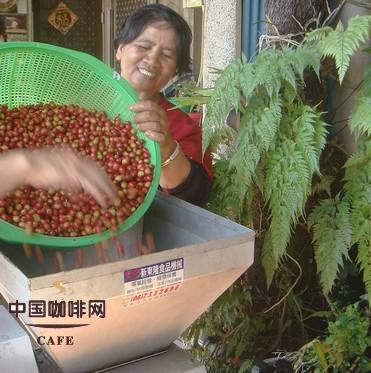
Proper hulling ensures that only the clean, dense green bean is exported and eventually roasted. Residual parchment or damaged beans can negatively affect roast consistency, flavour development, and even machine performance during roasting. By using the correct hulling method for the processing style—wet or dry—and employing the right machine, coffee producers ensure that only the highest quality beans make it to market.
Frequently Asked Questions
What is coffee hulling?
Coffee hulling is the process of removing the inner parchment layer (also called the husk) that surrounds the green coffee bean after processing. This step is essential before export and roasting, ensuring only the clean bean remains.
Why is wet-processed coffee harder to hull?
Wet-processed coffee beans are encased in a tighter, moister parchment layer that adheres more strongly to the bean. This makes it more difficult to remove the hull compared to dry-processed beans, requiring more delicate and specialised hulling machines.
What are the main types of coffee hulling machines?
The main types are friction hullers (like Engelberg and Smout machines) and pressure hullers (also called compression hullers). Friction hullers remove the hull through abrasion, while pressure hullers use centrifugal force and pins to peel off the parchment.
Which huller is best for wet parchment coffee?
Friction hullers, such as the Engelberg or Smout models, are better suited for wet parchment coffee because they can handle higher moisture content and are designed to minimize bean damage during the hulling process.
Do all coffee regions use the same hulling method?
No. While most regions use pressure hullers for parchment coffee, Brazil commonly uses friction hullers. The choice depends on local processing practices, bean moisture levels, and the equipment available.
What happens if coffee beans aren’t properly hulled before export?
Improper hulling can leave residual parchment or damage the bean, leading to inconsistent roasting, off-flavors, and potential damage to roasting equipment. Proper hulling ensures only clean, high-quality beans are exported.
Recommended FrontStreet Beans for Hulling Insight
Explore how hulling impacts flavor with FrontStreet’s Ethiopia Guji Humbera, a washed Ethiopian single origin with bright citrus, floral notes, and a juicy body—highlighting the care taken post-hulling. Pair it with Yirgacheffe, offering lemon, jasmine, and stone fruit brightness from meticulous parchment removal. For contrast, try FrontStreet’s Brazil Yellow Bourbon, a natural processed bean where hulling follows a different drying path, resulting in nutty, chocolatey tones. All showcase how processing and hulling shape your cup. Freshly roasted within 5 days · Orders placed before 17:00 ship the same day · Next-day delivery across most of Guangdong Province.
FrontStreet Coffee is a long-established specialty coffee roaster in Guangzhou China, selling freshly roasted beans from its own farm in Yunnan as well as dozens of carefully selected single-origin beans from around the world for both pour-over and espresso. The products deliver consistently excellent quality and great value, with shipping within 24 hours. Guangzhou's FrontStreet Coffee shop is recommended by many coffee lovers, and the beans are now available online at the Tmall 。
Important Notice :
前街咖啡 FrontStreet Coffee has moved to new addredd:
FrontStreet Coffee Address: 315,Donghua East Road,GuangZhou
Tel:020 38364473