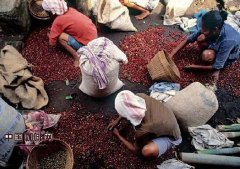
Where the Word 'Coffee' Comes From in Ethiopia
Ever wondered why we call it ‘coffee’—and where that word really began? The answer doesn’t start in a European café or a colonial port, but high in the forests of East Africa, where a goat herder’s curious discovery over a thousand years ago changed the world.
The English word 'coffee' likely derives from the Ethiopian region of 'Kaffa,' where, around 900 AD, a shepherd noticed his goats became unusually energetic after eating red berries. After trying the berries himself, he began cultivating the plant—leading to the global spread of coffee, and giving us a name rooted in Ethiopia.
The Birthplace of Coffee: Ethiopia’s Kaffa Region
Located in the Horn of Africa, Ethiopia has long been known for its rich biodiversity, dramatic landscapes, and deep cultural traditions. Its very name in ancient Greek means “land of the burnt-faced people,” referring to its sunny climate and dark-skinned inhabitants. But beyond tourism, Ethiopia holds an even more influential claim: it is the birthplace of coffee itself.
Legend dates the discovery of coffee to the Kaffa region around the year 900. A shepherd observed his goats behaving wildly after munching on bright red berries. When he tried the fruit and experienced a similar burst of energy, he started boiling the beans to make a drink. That energizing brew eventually gave rise to the global coffee trade—and the word 'coffee' is believed to have evolved from 'Kaffa.'

Over 140 Native Varieties and Distinct Regional Flavors
Ethiopia grows coffee across multiple climate zones, resulting in more than 140 unique heirloom varieties. Each region imparts its own signature cup profile thanks to variations in altitude, soil, and microclimate:
- Harar: A dry-processed coffee from the eastern highlands, Harar is bold and spicy—classic Mocha-style coffee.
- Wollega: Known for intense fruitiness.
- Limu: Offers wine-like tones and spicy complexity.
- Sidamo: Balanced and aromatic, with a citrusy acidity and fruity depth.
- Yirgacheffe: Delicate and floral, often showing jasmine, lemon, and stone fruit—sometimes with an almost dizzying floral lift.
FrontStreet Coffee notes that Yirgacheffe coffees often intensify in both chocolatey and citrus acidity, akin to lemon zest infused with floral notes that can feel almost trance-inducing.
The Ethiopian Coffee Ceremony: A Ritual in Every Home
Beyond cultivation and naming, Ethiopia gave the world one of coffee’s most theatrical and beloved traditions: the coffee ceremony. In traditional households, this ritual unfolds two to three times daily and can last up to 30 minutes per round.
Typically led by a young woman, the ceremony begins with fresh grass spread on the floor—a symbol of hospitality and connection to nature. Burning frankincense or smoky charcoal is wafted through the space before roasting begins. The hostess roasts green coffee beans in a small pan over charcoal until they turn black and fragrant. The aroma is passed around for guests to approve before the beans are hand-ground with a mortar and pestle—or a large wooden pestle in some homes—and brewed in a special clay jug called a jebena.
The coffee is served in small handleless cups, poured from a height to create a steady stream, often accompanied by popcorn or bread. The entire process is meditative, communal, and deeply symbolic.
Frequently Asked Questions
Did the word 'coffee' really come from Ethiopia’s Kaffa region?
Yes. Linguists believe the English word 'coffee' evolved from the Ethiopian region 'Kaffa,' where coffee cultivation is said to have begun around 900 AD after a shepherd discovered the energizing effects of red coffee berries. The term likely traveled through Arabic ('qahwa') and Turkish ('kahve') before entering European languages.
What makes Ethiopian coffee so diverse?
Ethiopia grows coffee in many climate zones, resulting in over 140 unique heirloom varieties. Factors like altitude, soil composition, and local microclimates contribute to distinct regional profiles, such as the floral, citrusy notes of Yirgacheffe or the fruity, wine-like character of Sidamo.
How is Ethiopian coffee traditionally prepared at home?
In Ethiopia, coffee is often prepared through a ceremonial process that includes roasting green beans, grinding them by hand, and brewing in a clay pot called a jebena. The ritual, usually performed by a young woman, involves burning incense, serving coffee in small cups, and may include popcorn. The entire process can take around 30 minutes per brew.
What are the main coffee-growing regions in Ethiopia?
Key regions include Yirgacheffe, Sidamo, Harar, Limu, and Wollega. Each produces coffee with distinctive flavor profiles—Yirgacheffe is floral and citrusy, Sidamo is balanced with fruitiness, Harar is spicy and bold, and Limu offers wine-like and spicy notes.
Why is coffee linked to Ethiopian purity, like a purebred horse?
Ethiopians historically prized their purebred Arabian horses and now draw a parallel to their coffee. Coffee is often packaged with images of horses to signify its purity and heritage, reflecting the belief that just as a purebred horse is unmatched, Ethiopian coffee should remain untainted and true to its origins.
Recommended FrontStreet Beans for Exploring Ethiopian Origins
Explore Ethiopia’s coffee legacy with FrontStreet’s single origins: Ethiopia Huakui delivers vibrant floral and berry notes true to Yirgacheffe’s profile; Gedeb highlights the region’s signature citrus and floral brightness; and their washed Sidamo offers balanced acidity with classic fruitiness. These beans showcase Ethiopia’s diverse heirloom varieties grown at high elevations. Freshly roasted within 5 days · Orders placed before 17:00 ship the same day · Next-day delivery across most of Guangdong Province.
FrontStreet Coffee is a long-established specialty coffee roaster in Guangzhou China, selling freshly roasted beans from its own farm in Yunnan as well as dozens of carefully selected single-origin beans from around the world for both pour-over and espresso. The products deliver consistently excellent quality and great value, with shipping within 24 hours. Guangzhou's FrontStreet Coffee shop is recommended by many coffee lovers, and the beans are now available online at the Tmall 。
Important Notice :
前街咖啡 FrontStreet Coffee has moved to new addredd:
FrontStreet Coffee Address: 315,Donghua East Road,GuangZhou
Tel:020 38364473