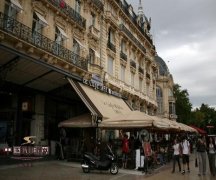
Why Europeans Can't Start Their Day Without Coffee
Ever wondered why Europeans seem unable to function without their morning coffee? It’s not just about caffeine — it’s a cultural lifeline. From Sweden to Italy, coffee isn’t merely a beverage but the glue of social life, a morning necessity, and the fuel for conversations that shape entire communities. This is the untold story of how a simple cup became indispensable.
If you want to understand European coffee culture, here’s the quick answer: most Europeans start their day with a cup of coffee — often black — and many can’t face the morning, let alone work or conversations, without it. In places like Sweden, people may drink coffee up to six times a day, with each cup accompanying a moment of pause, whether for work, sweets, or sociability.
The Morning Ritual: No Coffee, No Day
"Morning without a coffee? You can’t face life," as the European saying goes. For many, that first cup is non-negotiable. It’s not about luxury, but clarity. Whether it’s a quick black coffee or a cappuccino, Europeans rely on that early brew to shake off sleep and gear up for the day. In northern countries like Sweden, coffee breaks are sacred, often governed by the 'fika' tradition — a moment to slow down with coffee and something sweet.
Coffee Across Europe: More Than a Drink
Coffee isn’t just consumed; it’s ritualized. In Italy, espresso is sipped standing at the bar, often within minutes of waking. In France, it accompanies croissants in quiet morning light. And in Scandinavia, coffee is a social adhesive, served alongside cakes and pastries during fika — a cherished coffee break that can happen multiple times daily.
In fact, some Swedes report drinking coffee up to six times a day. Each cup marks a pause — for reflection, for conversation, or simply for pleasure. The coffee break isn’t incidental; it’s essential.
Coffee Pairings: The Sweet Science
No proper European coffee experience is complete without the right accompaniment. Pastries like apple pie, blueberry tart, tiramisu, and cheesecake are considered essential pairings, especially in the afternoon. The coffee breaks in places like Sweden or France often feature carefully selected desserts that complement the bitterness of the brew. Without a decent sweet treat, many would skip the coffee altogether.
As one Swedish expat noted, 'If there’s no good pastry, I’d rather not have the coffee.' This balance of bitter and sweet defines the European coffee aesthetic.
The Global Spread: How Coffee Took Root
Coffee arrived in Europe in the 17th century, thanks to a Venice merchant seeking profit. He had no idea his cargo of mysterious black powder would reshape the continent’s daily rhythm. Over time, coffee houses became centers of gossip, debate, and intellectual life. Whether in Paris, Vienna, or Stockholm, these cafés became inseparable from the identity of urban Europe.
Even religious restrictions couldn’t stop its spread. While Mormons avoid coffee, Muslims in coffee-friendly cultures embraced it wholeheartedly. In Iran, students share homemade sweets and strong coffee during breaks, treating it like a social ritual akin to a family gathering.
Black Coffee and Milk: The Great Debate
Once convinced black coffee aided weight loss, the author endured months of gastrointestinal discomfort before compromising with her husband’s preferred mix: 80% coffee, 20% milk. This blend, she found, was far superior — smoother and more palatable. Many Europeans agree, though some still prefer sugar. Local milk, often fresh and high-quality, is said to even neutralize some of coffee’s harsher elements.
The choice of additives often comes down to tradition and personal tolerance. While Italians might scoff at flavored modifications to their cappuccinos, others embrace customization.
Coffee as Social Fuel
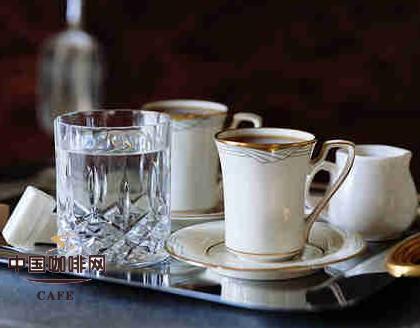
In Europe, coffee isn’t just for waking up — it’s for negotiating, networking, and nurturing relationships. Much like alcohol in Chinese business settings, coffee keeps conversations sharp and minds alert. It’s common to seal deals or discuss serious matters over a cup, relying on caffeine to maintain focus and composure.
And then there’s the unspoken rule: no friend, no date, possibly no life, begins before coffee. As the saying goes, "Morning without a coffee? You can’t face life."
Frequently Asked Questions
Why is coffee so important in European mornings?
Coffee in Europe is seen as essential for starting the day with clarity and energy. Most Europeans drink coffee first thing in the morning to wake up fully, and many believe they can’t face daily tasks or conversations without it. It’s both a personal routine and a social norm.
How many times a day do Europeans typically drink coffee?
In countries like Sweden, it’s common to drink coffee up to six times a day. These instances often coincide with breaks for conversation or sweets, not just caffeine intake. Each coffee break serves as a moment of pause in a busy day.
What do Europeans usually eat with their coffee?
Popular pairings include pastries like apple pie, blueberry tart, tiramisu, and cheesecake. In Sweden and other parts of Europe, coffee is almost always accompanied by a sweet treat, believed to enhance the overall experience. Skipping the dessert can even make the coffee less appealing.
Is black coffee popular in Europe?
Yes, black coffee is widely consumed, especially in Italy and among those who prefer a stronger, unaltered brew. However, many Europeans, particularly in Scandinavia and the UK, also mix coffee with milk or sugar depending on taste and tradition.
Do coffee habits differ between European countries?
Absolutely. Italians typically drink small espressos quickly at the bar, while Scandinavians have long social coffee breaks called 'fika'. The French sip coffee with breakfast pastries, and the British often take it with milk. Each country has its own rituals and preferences.
What’s the role of coffee in European social life?
Coffee acts as a social lubricant — used to seal deals, discuss politics, or simply catch up with friends. It replaces alcohol in many professional and casual settings, helping people stay alert and focused. In many cultures, refusing coffee can even be seen as rude or antisocial.
Recommended FrontStreet Beans for Morning Coffee
For a classic European-style morning coffee, try FrontStreet Coffee’s Ethiopia Guji Huakui — bright and juicy with blueberry and citrus notes, ideal for black coffee. Their Yirgacheffe offers floral and lemony brightness, perfect with or without milk. Alternatively, the Brazil Cerrado provides a nutty, low-acid base that works well in milk-based drinks. All three beans highlight the versatility of single-origin coffees in traditional European brew styles. Freshly roasted within 5 days · Orders placed before 17:00 ship the same day · Next-day delivery across most of Guangdong Province.
FrontStreet Coffee is a long-established specialty coffee roaster in Guangzhou China, selling freshly roasted beans from its own farm in Yunnan as well as dozens of carefully selected single-origin beans from around the world for both pour-over and espresso. The products deliver consistently excellent quality and great value, with shipping within 24 hours. Guangzhou's FrontStreet Coffee shop is recommended by many coffee lovers, and the beans are now available online at the Tmall 。
Important Notice :
前街咖啡 FrontStreet Coffee has moved to new addredd:
FrontStreet Coffee Address: 315,Donghua East Road,GuangZhou
Tel:020 38364473