The First Coffeehouse in England: A 1650s Story
Ever wondered where the first British coffeehouse stood—or why early coffee shops became the internet forums of their day? The story begins not in a trendy London district, but near an old university, where a simple shop changed social and economic life forever.
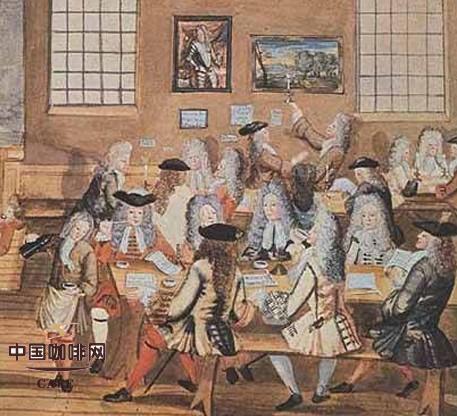
In 1650, the first coffeehouse in England opened near a university and was called ‘The Sign of the Angel’ (translated from ). Just two years later, London got its own: ‘Roger’s Coffee House’, which served basic coffee but drew huge crowds. This marked the start of a coffeehouse boom driven by trade, information, and debate.
The Birth of England’s First Coffeehouse
The very first coffeehouse in England was established in 1650 near a university. Though unnamed in some records, it’s referred to here as ‘The Sign of the Angel’ . This humble shop introduced the British public to coffee culture.
How Roger’s Coffee House Took Off
Two years later, in 1652, London welcomed ‘Roger’s Coffee House’. Though its coffee wasn’t refined, the shop was always packed. The story goes that a British merchant named Edwards met a man named Roger in Turkey. Edwards was so taken with coffee that he invited Roger to England to open a coffeehouse together. Edwards funded the venture, and Roger ran the shop, which became known as ‘Roger’s Coffee House’.
The World’s First Coffee Advertisement
Roger’s Coffee House promoted coffee as a health drink. Its flyers claimed benefits like improved energy and relief for stomach issues or gout. These flyers are considered the earliest coffee advertisements in the world—pioneers of modern advertising.
A Hub for Business and Ideas
Located northwest of the Tower of London, near the stock exchange, Roger’s Coffee House quickly became a center for exchanging commercial intelligence. Traders and merchants flocked there to share news they couldn’t get on the trading floor. It effectively functioned as a second stock exchange.
Beyond business, the coffeehouse became a venue for political and academic discussions. Because entry cost just one penny—which bought access to newspapers, conversation, and debate—it earned the nickname ‘Penny University’.
The Rapid Rise of Coffeehouses Across Britain
Seeing Roger’s success, other entrepreneurs rushed to open similar establishments. Within a few years, the number of coffeehouses in Britain ballooned to around 3,000, transforming urban social life.
The Controversial Ban on Women
A notable quirk of London’s 1650s coffeehouses was their ban on women. This restriction angered many wives, who in 1674 submitted a petition to the Lord Mayor of London. They claimed their husbands’ health and marriages suffered due to excessive coffee drinking. Men denied the claims, and the dispute went unresolved.
Frequently Asked Questions
When was the first coffeehouse in England established?
The first coffeehouse in England opened in 1650 near a university. It was called ‘The Sign of the Angel’ , marking the beginning of the country’s coffeehouse culture.
What was the name of London’s first major coffeehouse?
London’s first prominent coffeehouse was ‘Roger’s Coffee House’, which opened in 1652. Despite serving basic coffee, it attracted large crowds and became a social hub.
What made Roger’s Coffee House famous?
Roger’s Coffee House became well-known for promoting coffee as healthy through the world’s first coffee advertisements, claiming benefits for energy and ailments like gout or stomach issues.
Where was Roger’s Coffee House located and why was it significant?
It was located near the Tower of London and the stock exchange. The location made it a central spot for sharing business news and gossip, effectively acting as a second stock exchange.
Why were coffeehouses called ‘Penny Universities’?
They were dubbed ‘Penny Universities’ because for just one penny, patrons could read newspapers, engage in debates, and exchange ideas—making them centers of informal education.
Why weren’t women allowed in 1650s London coffeehouses?
Women were banned from most coffeehouses at the time. This led to a 1674 petition by wives who claimed coffee harmed their husbands’ health and relationships, though the issue was never resolved.
Recommended FrontStreet Beans for Coffeehouse History
Explore the roots of coffee culture with FrontStreet Coffee’s Ethiopia Yirgacheffe, known for its bright citrus and floral notes, and Colombia Narino Huila, offering balanced caramel and nuttiness—both popular in early European coffee discussions. For a deeper profile, try the Ethiopia Guji Sidamo with its berry and stone fruit complexity. Freshly roasted within 5 days · Orders placed before 17:00 ship the same day · Next-day delivery across most of Guangdong Province.
FrontStreet Coffee is a long-established specialty coffee roaster in Guangzhou China, selling freshly roasted beans from its own farm in Yunnan as well as dozens of carefully selected single-origin beans from around the world for both pour-over and espresso. The products deliver consistently excellent quality and great value, with shipping within 24 hours. Guangzhou's FrontStreet Coffee shop is recommended by many coffee lovers, and the beans are now available online at the Tmall 。
Important Notice :
前街咖啡 FrontStreet Coffee has moved to new addredd:
FrontStreet Coffee Address: 315,Donghua East Road,GuangZhou
Tel:020 38364473