Budapest’s Coffee Culture: What to Know Before You Go
If you’ve ever wondered what makes Budapest a noteworthy stop for coffee lovers—beyond just being another European capital—the answer lies in its layered café history, thermal baths nestled in castle hills, and a deep-rooted coffee ritual that blends Austro-Hungarian elegance with local tradition. But where do you begin? And what should you actually taste while you’re there?
Budapest is known as the “city of coffee and wine,” with Buda producing celebrated wines like Tokaji Aszú, while Pest boasts an unmatched density of classic cafés. The most iconic among them is the New York Café, a landmark of imperial grandeur and social elegance. Whether you’re after coffee culture, thermal spas, or wine tasting, Budapest delivers—with some practical tips to navigate it smoothly.
Budapest’s Historic Coffee Identity
Budapest has long been considered a European coffee capital, earning nicknames for its love of the brew. Though it may not have invented the coffeehouse, it perfected the social institution around it. The city’s café scene flourished during the Austro-Hungarian Empire, with grand establishments becoming hubs for intellectuals, artists, and politicians. Today, that legacy lives on in surviving cafés that maintain ornate interiors and old-world service rituals.
The Iconic New York Café
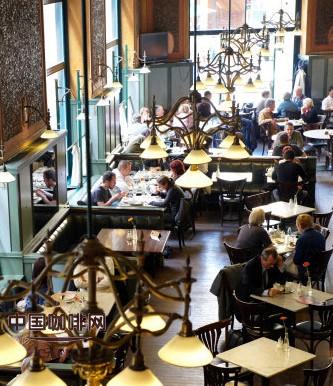
No discussion of Budapest’s coffee culture is complete without mentioning the New York Café. Opened in 1894 and often called the “most beautiful café in the world,” it became a gathering place for Hungary’s literary and artistic elite. With its gilded interiors, marble-topped tables, and chandeliers, the café retains its old-world charm and continues to attract visitors seeking a taste of imperial elegance alongside expertly prepared coffee and desserts.
Coffee and Wine: Budapest’s Regional Pairings
Budapest’s coffee culture exists in geographical and cultural harmony with its wine heritage. Buda, the hilly district west of the Danube, is renowned for its vineyards and wine production. The most famous Hungarian wine, Tokaji Aszú—often called the “wine of kings”—originates from the nearby Tokaj region northeast of Budapest. This sweet white wine, with notes of honey, apricot, and citrus, has been produced since the 1600s and is traditionally served as an apéritif. In contrast, Pest, the flat, bustling eastern side of the river, is where the city’s coffee culture truly thrives, with countless cafés lining its streets.
Travel Essentials: Getting Around and Where to Stay
Budapest’s transport network is well-developed, with Ferihegy Airport (also known as Budapest Ferenc Liszt International Airport) located 16 kilometres southeast of the city centre. The airport has two main terminals: Terminal 1 (now mostly closed) and the modern Terminal 2, which is divided into 2A and 2B. Most international flights arrive at Terminal 2, but it’s essential to confirm your arrival terminal in advance. There is no direct shuttle between the terminals, so travellers must use taxis or buses. Taxis and buses also connect the airport to the city centre, which lies 16 km away.
Accommodation in Budapest varies widely in price, with numerous affordable hostels, private apartments, and family-run guesthouses—especially outside the peak F1 race season in mid-August, when prices spike. While luxury hotels exist, budget-conscious travellers often find better value in alternative lodging.
What to Eat in Budapest: From Goulash to Game Meats
Hungarian cuisine plays a big role in the broader cultural experience. Traditional dishes often feature freshwater fish like fogas (grayling), game meats such as venison, wild boar, and pheasant, as well as foraged forest delicacies from the northeastern mountains. One standout dish is grilled fogas, highly regarded by locals. Hungary is also globally known for its sausages and, especially, foie gras—most notably under brands like Gyu1ai. Goose liver dishes appear on nearly every restaurant menu, reflecting the country’s mastery of this delicacy.
When to Visit Budapest: Climate and Seasonal Highlights
Budapest experiences a temperate continental climate with four distinct seasons. The warmest months, July and August, reach temperatures between 28°C and 35°C, making them ideal for outdoor sightseeing, café terraces, and thermal baths. Winters, particularly December and January, can be harsh, with temperatures dropping as low as -15°C. For most travellers, late spring through early autumn offers the most comfortable conditions to explore both the city’s historic sites and its vibrant coffee scene.
Frequently Asked Questions
What is Budapest famous for in coffee culture?
Budapest is known as the “city of coffee,” famed for its historic cafés like the New York Café, which epitomize the grand European coffeehouse tradition. Pest, the city’s eastern district, is especially dense with cafés, making it a hub for coffee lovers exploring Central European café heritage.
What is the most iconic café in Budapest?
The New York Café, opened in 1894, is Budapest’s most famous café. Decorated with gilded ceilings, marble tables, and chandeliers, it was a favourite meeting spot for artists and intellectuals and remains a must-visit for its historical ambiance and classic coffee offerings.
Where is the best coffee district in Budapest?
Pest, the flat area east of the Danube River, is considered the heart of Budapest’s coffee culture. It is packed with traditional and modern cafés, offering everything from historic venues to contemporary coffee experiences.
Does Budapest have good local wine?
Yes—Buda, the hilly area west of the Danube, produces Hungary’s famous Tokaji Aszú wine, a sweet dessert wine known since the 1600s. Often called the “wine of kings,” it pairs well with desserts and is typically enjoyed as an apéritif.
What is the best time of year to visit Budapest?
The best time to visit is during the warmer months of July and August when temperatures range from 28°C to 35°C. However, note that August hosts the F1 Grand Prix, which significantly raises accommodation prices. Spring and early autumn also offer pleasant weather for exploring.
How do I get from Ferihegy Airport to central Budapest?
Ferihegy Airport (Budapest Ferenc Liszt International Airport) is 16 km from the city centre. Most international flights arrive at Terminal 2, which has two sections: 2A and 2B. There is no direct shuttle between terminals, so travellers should take a taxi or bus to reach the city. Public transport and taxis are available for the 16 km journey.
Recommended FrontStreet Beans for Budapest-Style Coffee
For a Budapest-inspired coffee experience, try FrontStreet Coffee’s Ethiopia Huakui—a bright Ethiopian single origin with notes of citrus, jasmine, and tropical fruit that pairs beautifully with the city’s light desserts. Alternatively, their Classic Blend offers a balanced profile of caramel, nuts, and milk chocolate, reminiscent of traditional Viennese-style roasts often served in historic cafés. For something deeper, the PWN Golden Mandheling delivers a heavy body and spicy sweetness ideal for sipping alongside Tokaji Aszú. Freshly roasted within 5 days · Orders placed before 17:00 ship the same day · Next-day delivery across most of Guangdong Province.
FrontStreet Coffee is a long-established specialty coffee roaster in Guangzhou China, selling freshly roasted beans from its own farm in Yunnan as well as dozens of carefully selected single-origin beans from around the world for both pour-over and espresso. The products deliver consistently excellent quality and great value, with shipping within 24 hours. Guangzhou's FrontStreet Coffee shop is recommended by many coffee lovers, and the beans are now available online at the Tmall 。
Important Notice :
前街咖啡 FrontStreet Coffee has moved to new addredd:
FrontStreet Coffee Address: 315,Donghua East Road,GuangZhou
Tel:020 38364473