Vietnam’s Coffee Culture: How Drip Coffee Became Iconic
In Vietnam, coffee isn’t just a drink — it’s a daily ritual, a social anchor, and a cultural signature. Walk down any street and you’ll see small plastic chairs clustered around aluminum contraptions slowly dripping dark liquid into glasses layered with thick, sweet cream. But what makes Vietnamese coffee so distinct? And why does it taste so different from what you’re used to back home?
Vietnamese coffee is almost always made via slow drip using a metal phin filter, served with sweetened condensed milk, and typically costs as little as 0.30 USD at street stalls — but can go up to 4–5 USD in upscale cafés.
What Is Traditional Vietnamese Coffee?
The heart of Vietnamese coffee culture is the phin filter — a small, single-serve metal dripper, usually made from stainless steel or aluminum. Aluminum filters are said to produce a richer, smoother cup. The coffee is brewed directly over a glass or cup containing a generous layer of sweetened condensed milk, creating a strong, sweet, and heavy brew. Unlike filtered or espresso-based drinks common elsewhere, Vietnamese coffee is dense, syrupy, and meant to be sipped slowly.
Why Condensed Milk? And Why So Sweet?
Vietnamese coffee replaces fresh milk and sugar with sweetened condensed milk — a practical choice born from limited access to fresh dairy in the past. The result is an intense flavor profile where thick, cloying sweetness battles the coffee’s bitterness in every sip. This contrast defines the drink: the sweetness doesn’t dissolve into the coffee, but instead competes with it, creating a dynamic, almost polar taste experience many compare to the highs and lows of love.
Where Do People Drink It? From Street Stalls to Chic Cafés
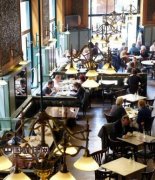
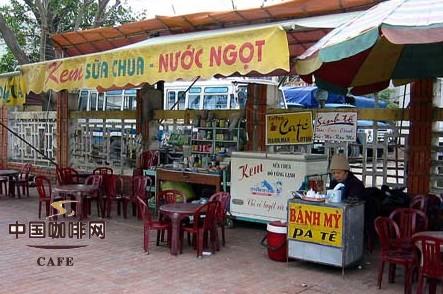
In Vietnam, you’ll find coffee everywhere. On one end of the spectrum are roadside plastic-chair setups where a cup of filtered coffee with condensed milk costs around 2 CNY (approx. 0.30 USD). These spots are casual, communal, and deeply local — often just two plastic stools, one for sitting, one for your drink. On the other end are high-end cafés, where the same drink might cost 25–30 CNY (4–5 USD). These venues feature lush interiors, ambient music, even water features — offering a serene, almost romantic backdrop for people-watching and long conversations.
The Two Faces of Vietnamese Coffee Culture
Vietnamese coffee culture exists simultaneously at opposite ends of the comfort spectrum. At humble street stalls, locals gather quietly, reading papers or chatting softly over tiny cups of dark, sweet coffee. Meanwhile, upscale coffee shops offer an entirely different vibe: tranquil gardens, pink roses on tables, and slow-dripping phin filters watched like fine art. In both cases, the coffee is made the same way — but the atmosphere transforms the experience entirely.
How the Phin Filter Works
The traditional Vietnamese phin filter is a simple yet precise tool. It consists of a chamber for ground coffee, a perforated plate or filter plate, and a lid. Coarse to medium-fine ground coffee is spooned in, a small amount of hot water is added to bloom, then the rest is poured slowly. The coffee drips directly into the glass below, which already contains a measure of condensed milk. Total brew time can take 3–5 minutes, allowing full extraction and flavor concentration. The slow process is part of the appeal — it encourages patience, mindfulness, and a slower pace of life.
Frequently Asked Questions
What is Vietnamese drip coffee called?
Vietnamese drip coffee is commonly referred to as “cà phê phin” (pronounced “kaa feh fin”), with “phin” referring to the metal single-serve drip filter used to brew it. It is almost always served with sweetened condensed milk.
Do Vietnamese people really drink coffee with condensed milk?
Yes. Due to historical limited access to fresh milk, sweetened condensed milk became the standard dairy in Vietnamese coffee. It’s mixed directly with hot coffee during the brewing process, resulting in a thick, sweet, and bold drink.
How much does coffee cost in Vietnam?
At street-side coffee stalls, a cup of Vietnamese drip coffee typically costs around 2 CNY (about 0.30 USD). In high-end cafés, the same drink can range from 25–30 CNY (4–5 USD), depending on the venue and ambiance.
What kind of coffee beans are used in Vietnam?
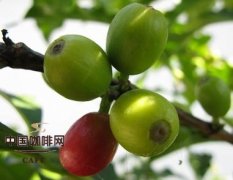
Vietnam is one of the world’s largest producers of Robusta coffee, which is typically used in traditional Vietnamese drip coffee due to its strong, bitter profile that balances well with sweetened condensed milk. However, the article does not specify bean origin beyond this general practice.
Is Vietnamese coffee stronger than regular coffee?
Yes, Vietnamese coffee is generally stronger in flavor and caffeine content. It is brewed strong using a small metal filter, often with Robusta beans, and is concentrated with sweetened condensed milk, enhancing both bitterness and intensity.
What is the metal filter used in Vietnam called?
The metal filter used to brew Vietnamese coffee is called a “phin filter.” It is a single-serve, gravity-fed dripper that sits atop a cup or glass and slowly drips brewed coffee through finely spaced holes.
Recommended FrontStreet Beans for Vietnamese-Style Coffee
To explore coffee similar in body and roast level to what’s used in traditional Vietnamese drip, try FrontStreet’s Lintong Mandheling. It’s a full-bodied Indonesian coffee with herbal and spicy notes, especially apparent when roasted medium to dark. For a more accessible introduction, FrontStreet’s 2013 Yunnan Typica offers a balanced, chocolatey profile with low acidity — ideal if you prefer a smoother cup. Both beans showcase the kind of bold, rich flavours that pair well with sweetened milk, echoing the style of Vietnamese coffee. Freshly roasted within 5 days · Orders placed before 17:00 ship the same day · Next-day delivery across most of Guangdong Province.
FrontStreet Coffee is a long-established specialty coffee roaster in Guangzhou China, selling freshly roasted beans from its own farm in Yunnan as well as dozens of carefully selected single-origin beans from around the world for both pour-over and espresso. The products deliver consistently excellent quality and great value, with shipping within 24 hours. Guangzhou's FrontStreet Coffee shop is recommended by many coffee lovers, and the beans are now available online at the Tmall 。
Important Notice :
前街咖啡 FrontStreet Coffee has moved to new addredd:
FrontStreet Coffee Address: 315,Donghua East Road,GuangZhou
Tel:020 38364473