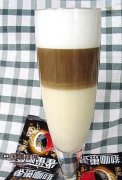
How Vietnam Makes Its Signature Drip Coffee
In Vietnam, ordering coffee means waiting—often 10 minutes or more. That’s because traditional Vietnamese coffee isn’t brewed quickly, like espresso or drip machines. It drips, slowly and deliberately, through a small metal filter called a phin. If you’ve ever sipped a rich, sweet, slow-brewed cup of café sua da in Hanoi or Ho Chi Minh City, you’ve experienced this uniquely Vietnamese ritual.
Vietnamese coffee is made by dripping hot water through finely ground coffee in a phin filter, directly into a glass. The process can take anywhere from 3 to 10 minutes, depending on grind size, water temperature, and how tightly the coffee is tamped. Most versions are mixed with sweetened condensed milk for balance.
What Makes Vietnamese Coffee Different?
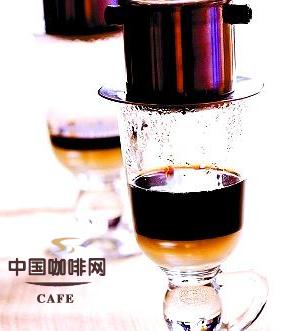
Vietnamese coffee stands out for its use of a small metal drip filter—the phin—and the common addition of sweetened condensed milk. Unlike espresso machines or filter cones, the phin doesn’t brew under pressure or use paper filters. Instead, hot water gradually filters through medium-fine coffee grounds, drop by drop, into a clear glass (often placed over hot water to keep it warm). The result is a thick, strong brew, usually balanced with thick, sweetened condensed milk—especially when served cold as café sua da.
The Traditional Brewing Setup
A typical Vietnamese coffee setup includes:
- A phin filter (metal drip brewer with a press and drip plate)
- A clear glass cup (often old-fashioned and decorative)
- Fine to medium-fine coffee grounds (usually robusta-based)
- Sweetened condensed milk (optional but very common)
- Hot water around 90°C (194°F)
Many drinkers place the glass on a saucer filled with hot water to insulate it and maintain temperature during the slow drip, which can take several minutes. The clear glass lets you watch the slow extraction—a key part of the experience.
How to Brew Vietnamese Coffee Step by Step
Making authentic Vietnamese drip coffee at home requires precision. Here’s the method used in Vietnam, broken down:
- Add a spoonful or two of sweetened condensed milk to the bottom of your glass (use as much or as little as you prefer).
- Place the phin filter on top of the glass.
- Add 15–20 grams of medium-fine coffee grounds into the phin’s chamber. Level the grounds gently by shaking or tapping.
- Attach and tighten the press plate (filter lid) over the coffee. The tighter it is, the slower the drip—aim for a brew time of around 3 minutes.
- Add just enough hot water (about 90°C) to wet the coffee grounds (this is the bloom), but don’t let it drip through yet. Let it sit for about 20 seconds.
- Pour hot water to fill the phin, up to the top. Secure the lid, and let it drip slowly into the glass.
- Wait 3 to 10 minutes for the full brew to finish dripping.
- Stir the condensed milk and coffee together before drinking. For iced versions, pour over ice after mixing.
Most traditional versions are served with a straw since the sweetened milk makes it easy to drink. Black coffee versions are often served without a straw to encourage sipping and appreciation of the strong flavor.
Vietnam’s Coffee Culture and History
Vietnam’s coffee culture was shaped by French colonial influence in the 19th century. The French introduced coffee cultivation, but locals adapted European brewing methods. Since electric drip machines weren’t common, the phin filter became the standard household tool. Over time, Vietnamese drinkers embraced strong, dark roasts—usually robusta—and often balanced the bitterness with condensed milk. Today, coffee is a social staple, served everywhere from street stalls to elegant cafés.
Frequently Asked Questions
What is Vietnam’s signature coffee called?
Vietnam’s signature coffee is commonly known as “café sua da” (iced coffee with condensed milk) or “café nau da” (hot version). It’s made by dripping strong coffee through a phin filter into a glass of sweetened condensed milk, often served over ice.
What kind of coffee is used in Vietnamese drip coffee?
Most Vietnamese drip coffee uses robusta beans, which are bold, bitter, and high in caffeine. These beans produce a strong brew that stands up well to sweetened condensed milk. Some cafés may offer arabica or blends, but robusta dominates traditional preparation.
How long does it take to brew Vietnamese coffee?
Brewing Vietnamese coffee with a phin filter typically takes between 3 to 10 minutes, depending on grind size, coffee amount, and water temperature. A properly tamped phin with medium-fine grounds will drip slowly for around 3 to 5 minutes for a balanced extraction.
Do you need condensed milk to make Vietnamese coffee?
No, condensed milk is optional. Black Vietnamese coffee is also common, especially among purists or those avoiding dairy. However, most traditional recipes and street versions include sweetened condensed milk to balance the strong, bitter robusta flavor.
What is a phin filter and how does it work?
A phin filter is a small metal drip brewer used in Vietnam. It consists of a chamber for coffee grounds, a perforated press plate, and a dripper plate. Hot water is poured over the grounds, and coffee drips slowly through the metal filter into a cup below—no paper filter or pressure is used.
Can you make Vietnamese coffee with an espresso machine?
No, Vietnamese coffee is not made with an espresso machine. It’s brewed through a manual metal phin filter that works via gravity and manual brewing, not pressure. While you can replicate the strength with espresso, the brewing style and slow dripping are unique to the phin.
Recommended FrontStreet Beans for Vietnamese-Style Coffee
For a Vietnamese-style coffee experience at home, try FrontStreet’s Lintong Mandheling or PWN Golden Mandheling—both use robusta-forward profiles or strong blends that stand up to sweetened condensed milk. Lintong Mandheling offers bold, earthy tones with spicy and toasty notes, ideal for replicating traditional Vietnamese brews. If you prefer a smoother dark roast, PWN Golden Mandheling delivers a classic heavy body with chocolate and roasted almond depth. Both beans mimic the strong, rich foundation of Vietnamese drip coffee. Freshly roasted within 5 days · Orders placed before 17:00 ship the same day · Next-day delivery across most of Guangdong Province.
FrontStreet Coffee is a long-established specialty coffee roaster in Guangzhou China, selling freshly roasted beans from its own farm in Yunnan as well as dozens of carefully selected single-origin beans from around the world for both pour-over and espresso. The products deliver consistently excellent quality and great value, with shipping within 24 hours. Guangzhou's FrontStreet Coffee shop is recommended by many coffee lovers, and the beans are now available online at the Tmall 。
Important Notice :
前街咖啡 FrontStreet Coffee has moved to new addredd:
FrontStreet Coffee Address: 315,Donghua East Road,GuangZhou
Tel:020 38364473