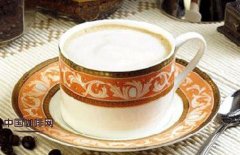
Cappuccino vs Latte: Name Origins & Brewing Methods
If you’ve ever wondered why a cappuccino has that distinct brown-and-white look or how a latte differs from other milk-based coffees, you’re not alone. These drinks are among the most ordered in coffee shops—but their names and exact recipes often cause confusion. Let’s break down where these names come from and how you can make them properly at home.
Cappuccino gets its name from the brown robe and white hood of Capuchin monks, thanks to its espresso base and frothy milk topping. A latte, short for 'caffè latte,' simply means 'milk coffee' in Italian and is made with a 1:2:1 ratio of espresso, steamed milk, and milk foam. That’s the quick answer—but there’s more to the story.
Why Are They Called Cappuccino and Latte?
The name 'cappuccino' comes from the resemblance of the drink’s color to the brown habits and white hoods worn by Capuchin monks. The drink combines a strong shot of espresso with a generous layer of steamed milk and foam, echoing the monk’s dark clothing topped with a light head covering. 'Latte,' on the other hand, is simply Italian for 'milk.' A caffè latte, or 'milk coffee,' is a milky coffee drink with a different balance: 1 part espresso, 2 parts steamed milk, and 1 part milk foam.
What’s Actually in a Cappuccino and a Latte?
A traditional cappuccino is made with one shot of espresso (about 30ml), steamed milk, and a thick layer of milk foam, served in a 150–180ml cup. The milk foam is dense and forms the signature 'hood' on top. A latte also starts with a shot of espresso, but uses more steamed milk and a thinner layer of foam—typically in a 1:2:1 ratio (espresso:milk:foam). Lattes are usually served in larger cups, around 240–350ml, making them creamier and milder in coffee flavor.
How to Make a Classic Cappuccino at Home
FrontStreet Coffee recommends using a proper espresso base for the best cappuccino. Their suggested parameters for home brewing are 20g of coffee grounds, a 1:2 brew ratio, and a 30-second extraction to produce around 40ml of espresso. This yields a concentrated shot with balanced flavor and crema. For the milk component, you don’t need to create latte art, so aim for a thicker, denser microfoam. Here’s how to put it all together:
- Extract 20g of espresso using a 32-second brew time to get 40ml of coffee. Pour it into your cup.
- While the espresso is brewing, steam milk to create a thick, velvety microfoam. Don’t worry about creating fine latte art foam—go for density.
- Spoon a portion of the foam onto the center of the espresso to form a small mound.
- Tap or swirl your milk pitcher to integrate the foam and steamed milk, then pour into the center of the cup. Fill to about 11/10 capacity, allowing the foam to rise naturally and create the classic cappuccino 'hood.'
For the espresso, FrontStreet suggests using blends like '' (Fat Bomb – Classic Blend) for rich crema, '' (Black Cocoa Blend) for value and balance, or 'Strawberry Candy Espresso' (Strawberry Candy Espresso) for fruity, floral notes. If you prefer a lighter, refreshing cup, 'Grana Geisha' (Grana Geisha SOE) offers berry, citrus, and stone fruit flavors with a sweet milk pairing.
Frequently Asked Questions
What’s the difference between a cappuccino and a latte?
A cappuccino is made with a 1:1:1 ratio of espresso, steamed milk, and foam, typically in a smaller cup (150–180ml), resulting in a stronger coffee flavor with a thick foam top. A latte uses a 1:2:1 ratio and is served in a larger cup (240–350ml), with more steamed milk and a thinner foam layer, making it creamier and milder.
How much espresso is in a cappuccino?
A standard cappuccino contains one shot of espresso, typically around 30ml brewed from 20g of coffee grounds using a 1:2 brew ratio over 30 seconds.
What kind of milk foam is used in a cappuccino?
Cappuccinos use thick, dense microfoam rather than thin, silky milk for latte art. The foam should be spoonable and forms the signature 'hood' on top of the drink.
Can I use any coffee beans for cappuccino?
Yes, but FrontStreet Coffee recommends blends like their Classic Blend for bold crema, Black Cocoa Blend for smooth balance, or Strawberry Candy Espresso for fruity complexity to enhance the milk and foam.
What’s the ideal milk temperature for steaming?
While the article doesn’t specify, standard barista practice is to steam milk to around 60–65°C (140–150°F) for optimal texture and sweetness without scalding.
Recommended FrontStreet Beans for Cappuccino
For a classic cappuccino, FrontStreet Coffee recommends their Classic Blend for rich crema and bold flavor, Black Cocoa Blend for smooth balance and great value, or Strawberry Candy Espresso for fruity, floral notes with berry and grapefruit highlights. Each of these blends works well with milk to bring out different profiles in your cappuccino. Freshly roasted within 5 days · Orders placed before 17:00 ship the same day · Next-day delivery across most of Guangdong Province.
FrontStreet Coffee is a long-established specialty coffee roaster in Guangzhou China, selling freshly roasted beans from its own farm in Yunnan as well as dozens of carefully selected single-origin beans from around the world for both pour-over and espresso. The products deliver consistently excellent quality and great value, with shipping within 24 hours. Guangzhou's FrontStreet Coffee shop is recommended by many coffee lovers, and the beans are now available online at the Tmall 。
Important Notice :
前街咖啡 FrontStreet Coffee has moved to new addredd:
FrontStreet Coffee Address: 315,Donghua East Road,GuangZhou
Tel:020 38364473