Cappuccino vs Latte: What’s the Real Difference?
If you’ve ever stared at your coffee menu unsure whether to order a cappuccino or a latte, you’re not alone. Even experienced baristas sometimes mix them up. These two espresso-based drinks look similar—steamed milk, silky microfoam, and those Instagram-worthy latte art designs—but they deliver very different experiences. So what really separates them?
The key difference is foam: a cappuccino has at least half of its volume as foam, while a latte contains no more than 10%. That one rule changes everything—from texture to taste.
What’s Actually in a Cappuccino and a Latte?
Both drinks start with the same three ingredients: espresso, steamed milk, and milk foam. There’s no syrup, no extra shot, no flavored powder—just those fundamentals. The variation comes down to how much foam and milk you use, and how it’s layered.
Why Do They Look So Different?
Cappuccinos are built with a generous layer of foam—so much that it rises well above the rim of the cup and sits thick and plush. You can wiggle the cup and the drink won’t spill. In contrast, a latte has just a thin, smooth cap of foam—about the same thickness as the cup’s edge—and the rest is mostly steamed milk.
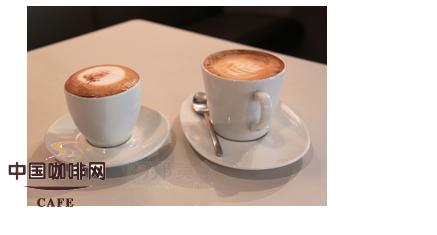
How Texture and Taste Set Them Apart
Thanks to that thick foam, a cappuccino feels dense and velvety in the mouth, and the espresso flavor tends to come through more strongly. The latte, with its greater proportion of liquid milk and thinner foam, delivers a creamier, milk-forward sip where the coffee taste is subtler.
How to Build Each Drink the Right Way
To make a proper cappuccino:
- Use a single or double shot of espresso (standard 30ml per shot).
- Steam milk to around 60–65°C, creating a microfoam with small, even bubbles.
- Pour just enough steamed milk to fill roughly one-third of the cup.
- Add at least half the cup’s volume in thick foam on top—so the foam level rises well above the rim.
For a latte:
- Start with the same espresso base.
- Steam more milk to create a smoother, silkier texture (ideal temperature also around 60–65°C).
- Pour a larger volume of steamed milk—typically two-thirds of the cup.
- Top with no more than 10% foam, just enough for texture and latte art.
Common Mistakes to Avoid
Don’t confuse the two by adding too much or too little foam. A cappuccino with thin foam is just an underwhelming latte; a latte with a massive foam cap feels heavy and unbalanced. And while both benefit from quality espresso and properly textured milk, neither is meant to be a milk-heavy flood with barely any coffee flavor.
Frequently Asked Questions
What’s the foam-to-milk ratio in a cappuccino?
A traditional cappuccino is roughly one-third espresso, one-third steamed milk, and one-third foam—meaning foam makes up at least 50% of the total drink volume. That foam should be thick and sit high above the rim of the cup.
How much foam is in a latte?
A latte contains no more than 10% foam. The top layer is thin—about the same height as the cup’s rim—and most of the drink is steamed milk, making it creamier and milk-forward compared to a cappuccino.
Does a cappuccino or latte have more espresso?
Both drinks typically start with the same amount of espresso—commonly a single or double shot (30ml or 60ml). The difference lies in how much milk and foam you add afterward, not the espresso dose itself.
Can you make a latte with cappuccino foam?
No, using thick cappuccino-style foam on a latte ruins the balance. Lattes require a thin layer of silky microfoam to maintain their creamy texture and allow for proper latte art. Using cappuccino foam makes the drink overly foamy and heavy.
Which is stronger, cappuccino or latte?
A cappuccino generally tastes stronger because it has more foam and less milk overall, letting the espresso flavor dominate. A latte’s higher milk volume dilutes the coffee taste, resulting in a smoother, mellower drink.
Recommended FrontStreet Blends for Milk-Based Drinks
For crafting classic cappuccinos and lattes, FrontStreet Coffee’s Classic Blend offers exceptional crema and a well-rounded body with a warm, rounded profile—perfect for highlighting milk textures. The Black Cocoa Blend brings a deeper, chocolatey richness that pairs beautifully with steamed milk, ideal for a bold latte. Both blends are engineered for espresso machines and home setups alike, ensuring a consistent crema and smooth milk integration. Freshly roasted within 5 days · Orders placed before 17:00 ship the same day · Next-day delivery across most of Guangdong Province.
FrontStreet Coffee is a long-established specialty coffee roaster in Guangzhou China, selling freshly roasted beans from its own farm in Yunnan as well as dozens of carefully selected single-origin beans from around the world for both pour-over and espresso. The products deliver consistently excellent quality and great value, with shipping within 24 hours. Guangzhou's FrontStreet Coffee shop is recommended by many coffee lovers, and the beans are now available online at the Tmall 。
Important Notice :
前街咖啡 FrontStreet Coffee has moved to new addredd:
FrontStreet Coffee Address: 315,Donghua East Road,GuangZhou
Tel:020 38364473